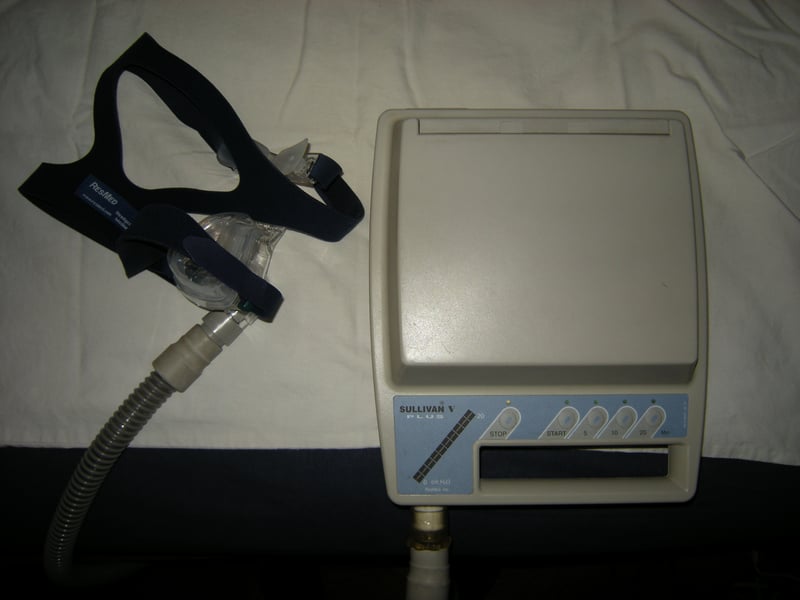

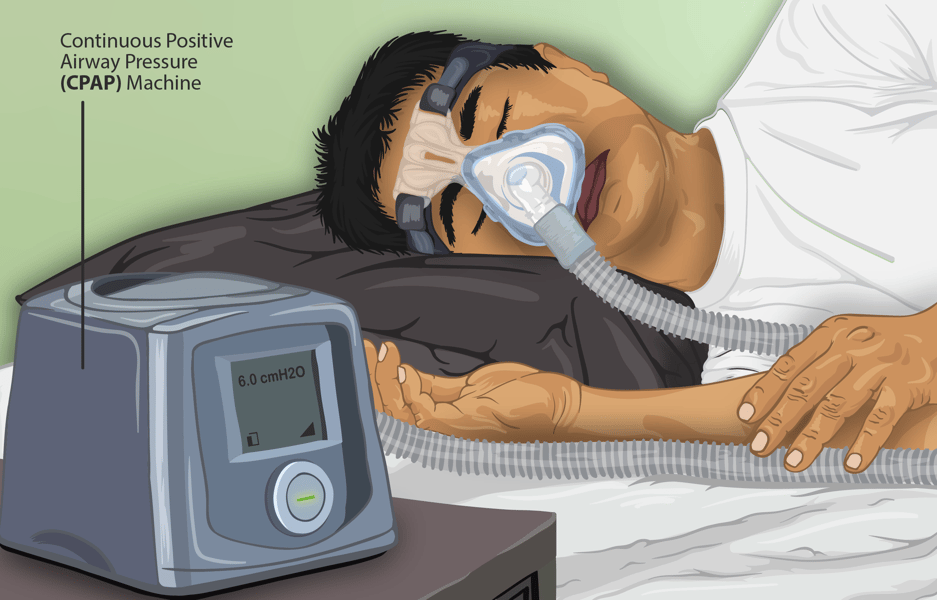
CAMBRIDGE, Mass. — For roughly half of the 30 million Americans diagnosed with obstructive sleep apnea, the standard treatment comes attached to a mask. The Continuous Positive Airway Pressure machine, CPAP, works by forcing pressurized air through a narrowed airway, and it works well. The problem is that a substantial portion of patients never wear it, or quit wearing it, or refuse to be tested in the first place because they already know the machine is not something they will tolerate. For that population, which clinicians estimate at between 30 and 50 percent of all OSA patients, the options have remained thin for decades.
A once-nightly pill called AD109, proposed brand name Oxnimbi, may represent the first credible alternative that does not simply manage the problem but addresses the biology driving it. The Food and Drug Administration accepted for review the New Drug Application filed by Apnimed, the Cambridge-based company behind the drug, in its announcement in July, assigning a PDUFA target action date of February 28, 2027, now less than six months away.
The drug is a fixed-dose combination of two compounds: aroxybutynin, a novel antimuscarinic agent at 2.3 milligrams, and atomoxetine, a selective norepinephrine reuptake inhibitor at 75 milligrams. Together they target the neuromuscular pathways that govern airway muscle tone during sleep. When those muscles relax too much, the airway collapses and breathing stops, sometimes dozens or hundreds of times per night. Existing oral treatments try to reposition the jaw or tongue. Oxnimbi tries to keep the muscles from going slack in the first place.
The evidence behind it comes from SynAIRgy, a Phase 3 randomized, double-blind, placebo-controlled trial that enrolled 646 adults across 69 centers in the United States and Canada. All participants had mild-to-severe obstructive sleep apnea and had either refused PAP therapy or found it intolerable, the exact group CPAP cannot reach. The trial ran for 26 weeks. At its endpoint, patients on AD109 showed a mean 44.1 percent reduction in their Apnea-Hypopnea Index compared with a 17.6 percent reduction in those on placebo. The hypoxic burden, a measure of cumulative oxygen deprivation, fell by 41.6 percent in treated patients, versus 9.9 percent in the placebo group, according to results published in its study in the American Journal of Respiratory and Critical Care Medicine.
The numbers inside those averages show a wide distribution of response. About 51 percent of patients on AD109 saw a meaningful reduction in their OSA severity category. Around 22 percent achieved what the researchers called complete disease control, defined as fewer than five breathing interruptions per hour, essentially normal range. A smaller group, 28 percent, hit the threshold of a 50 percent or greater AHI reduction. That variation reflects what researchers already know about the condition’s underlying heterogeneity.
“OSA is a complex and heterogeneous disease,” said Neomi Shah, Chair of the Sleep and Respiratory Neurobiology Assembly at the American Thoracic Society. “A one-size-fits-all approach has left many people with OSA without a treatment that works for them.” The American Academy of Sleep Medicine noted the positive Phase 3 results as a promising development in its statement, while emphasizing that post-market data on long-term outcomes would be essential for clinical practice integration.
The trial did not obscure its safety profile. Dry mouth, nausea, insomnia, and difficulty urinating were among the most commonly reported side effects, reflecting each compound’s mechanism. Aroxybutynin acts on muscarinic receptors governing salivation and urinary function. Atomoxetine’s norepinephrine activity can disrupt sleep architecture in some patients. About 21 percent of those on AD109 discontinued the trial, a rate higher than device-tolerant CPAP studies typically report, but consistent with other pharmacological OSA trials. It is also expected in a population that had already self-selected against wearing a machine at night.
The FDA has granted Oxnimbi Fast Track designation, which accelerates review for drugs addressing serious conditions with unmet medical need. A companion mechanistic study was published simultaneously in the American Journal of Respiratory Cell and Molecular Biology, describing how the two compounds maintain airway patency at the molecular level.
What the trial cannot settle is who, among the substantial responders, will maintain their improvement over years. Obstructive sleep apnea is chronic, and SynAIRgy’s 26-week window leaves the durability question open. Apnimed’s second Phase 3 trial, LunAIRo, reported positive topline results and contributes to the NDA’s evidence package, but the long-term data that shaped CPAP’s cardiovascular recommendations accumulated over a different scale of time. Understanding sleep apnea risk and its downstream effects on the heart and brain took decades of follow-up that no Phase 3 trial can compress.
Apnimed has filed for a Nasdaq IPO, planning to list under the ticker APMD, with the financing timeline tracking closely against the February PDUFA date. That capital raise ahead of a regulatory decision is common for late-stage biotechs, but it also means investors and clinicians are reading the same calendar. FDA approval would not be a guaranteed outcome of that timeline, and the agency’s reviewers will make their own assessment of the SynAIRgy data and the NDA’s completeness.
The Zepbound sleep apnea treatment, approved in December 2024, works by reducing the obesity that drives airway collapse, not by targeting the airway’s neuromuscular machinery directly. The two drugs approach the same diagnosis from opposite directions. Their potential coexistence in 2027 would suggest that sleep medicine is acquiring a pharmacological toolkit it has not had before. Whether the FDA’s reviewers see the SynAIRgy evidence the same way Apnimed does remains the open question. That answer arrives in February.