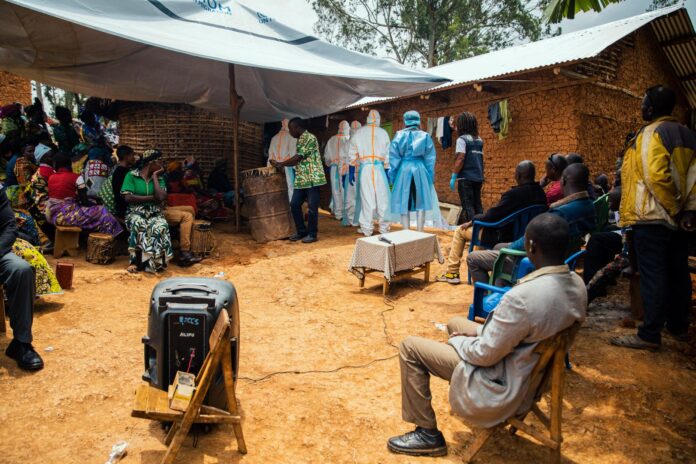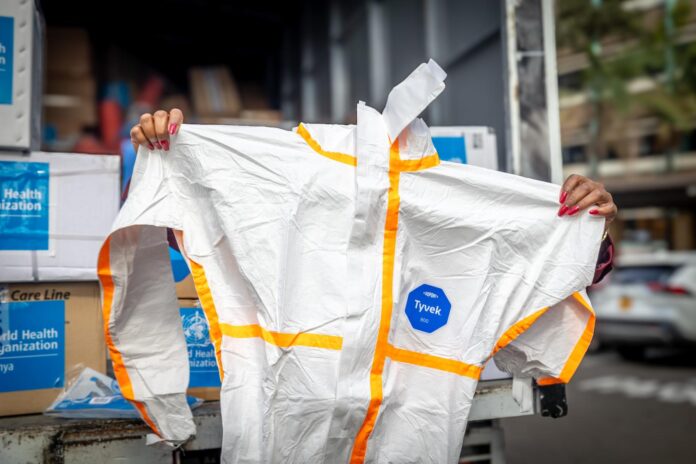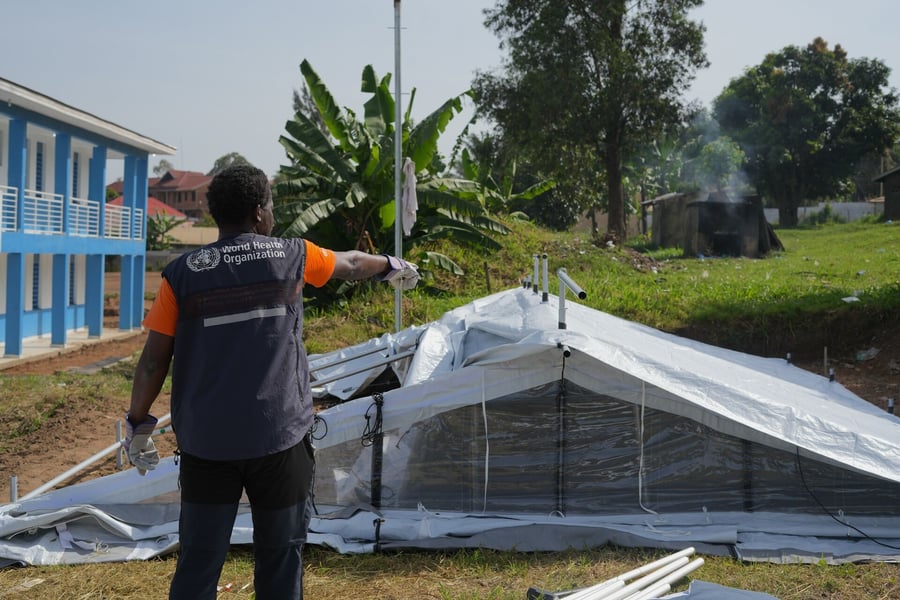

KINSHASA — In Mongbwalu, a town in Ituri province that sits at the epicentre of the worst Ebola outbreak ever recorded, Médecins Sans Frontières opened a 65-bed treatment centre before the construction was finished. There was no time to wait. The outbreak was adding dozens of cases a day, and the beds were already needed.
That reality, of facilities built to capacity before they can open, defines the crisis the Democratic Republic of the Congo is now fighting at scale. On August 31, DRC health authorities confirmed more than 6,000 cases and nearly 3,000 deaths from the outbreak, which was declared on May 15 and has since spread to 60 health zones across six provinces. The World Health Organization published a new disease outbreak notice this week, confirming the geographic expansion and warning that 814 patients remain hospitalized in isolation across the affected region, in its disease outbreak notice.
What makes this outbreak categorically different from every Ebola crisis that came before it is not the scale alone. It is the strain.
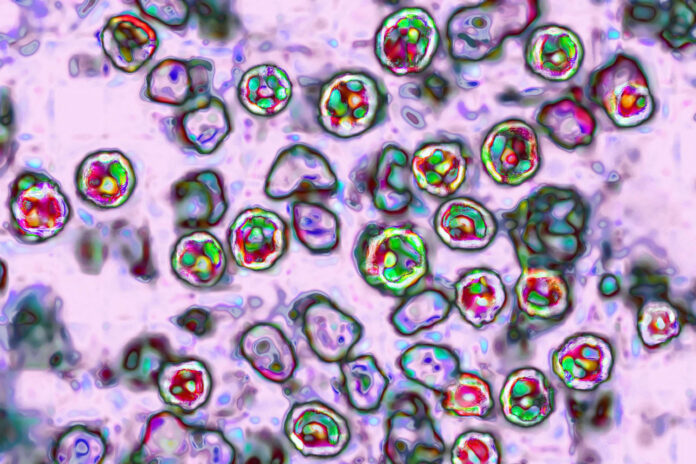
The 2026 epidemic is caused by the Bundibugyo ebolavirus, a variant so rarely encountered at this volume that no licensed vaccine has ever been developed for it. The only approved Ebola vaccine, rVSV-ZEBOV, marketed as ERVEBO, was designed specifically for the Zaire strain, the one responsible for the 2014-2016 West Africa epidemic that killed more than 11,000 people. ERVEBO does not work against Bundibugyo. No approved antiviral treatment exists either. The first Bundibugyo drug trials, testing remdesivir and a Mapp Biopharmaceutical antibody compound, were launched in Ituri in early July. Results are months away.
The gap between what the virus demands and what medicine can currently offer is what makes the MSF treatment centres the front line of this crisis. The organisation has deployed more than 1,400 staff in the DRC, running six Ebola treatment centres across four provinces with a combined capacity of roughly 400 beds. More than 2,000 patients have been admitted since the response launched in May, in its response update. The beds fill and the cases keep coming.
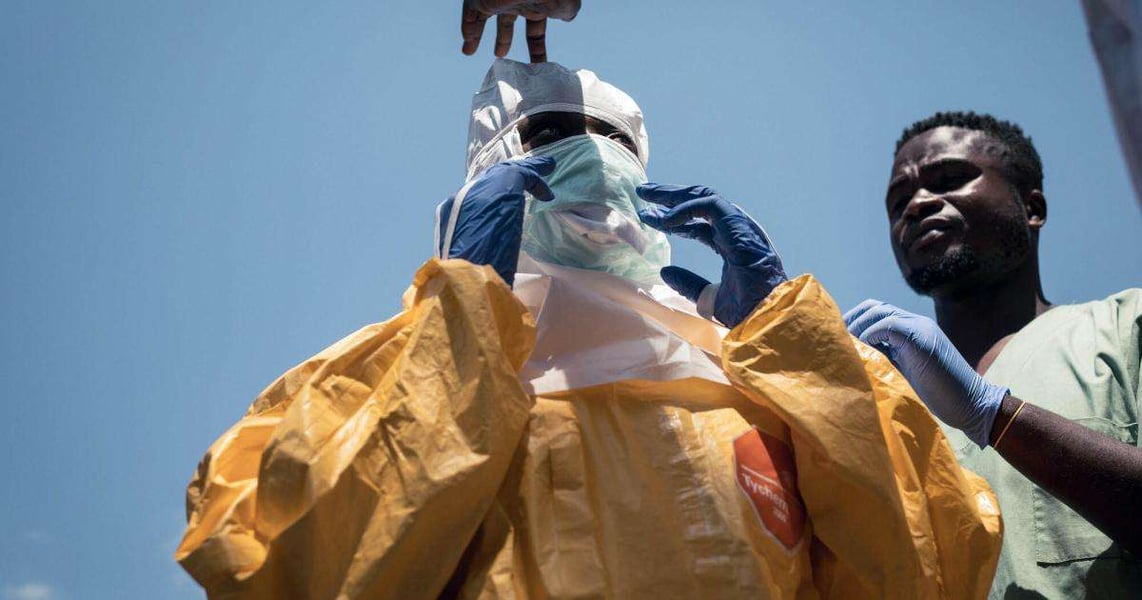
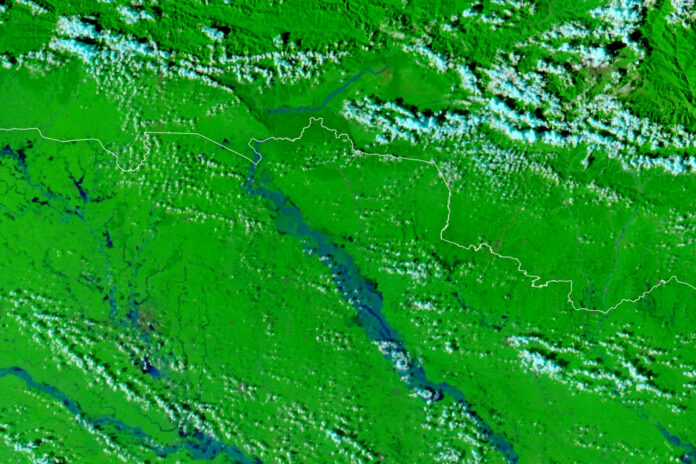
The six provinces affected: Bas-Uélé, Haut-Uélé, Ituri, North Kivu, South Kivu, and Tshopo span an arc of eastern and northeastern DRC where armed conflict has fractured health infrastructure for decades. The outbreak did not create that fragility. It found it. The geographic expansion from 54 to 60 health zones happened in under two weeks, with two additional zones recorded in a single day, Al Jazeera reported in its report from August 28.
The virus has moved beyond DRC’s borders. Uganda confirmed 20 cases and two deaths, all linked to transmission from the DRC. France recorded its first imported case in late June: a healthcare worker who had returned from a humanitarian mission in eastern Congo. WHO and health authorities in each affected country say no sustained community transmission has occurred outside the DRC, but the appearance of cases in three countries on two continents within months of the outbreak’s declaration means the funding gap carries international consequences.
UN Secretary-General António Guterres described the crisis as facing not just an Ebola virus but a “virus of indifference” from the international community, as the response remains funded at roughly 48 percent of what authorities say is required. That shortfall is not an abstraction. MSF has had to rehabilitate treatment centres in Kampala and the Uganda border town of Bwera to handle patients crossing from DRC: a response built piece by piece, province by province, with resources that do not match the outbreak’s pace.
What WHO cannot confirm is the true scale of the outbreak. Contact tracing covered 86.3 percent of identified contacts as of the latest report, a figure that depends entirely on what was identified in the first place. In conflict zones, laboratories are scarce, testing kits are in short supply, and some deaths occur before any health worker arrives. The confirmed 6,000 cases almost certainly represent an undercount of actual infections, though by how much remains unknown.
The WHO control timeline, which projected the outbreak could be brought under control within three months of the agency’s mid-August assessment, now carries the weight of those additional 300 cases and six new health zones that have emerged since. The DRC has survived Ebola before. It has never done so without at least one licensed medical tool at its disposal. This time, those tools are still being tested.