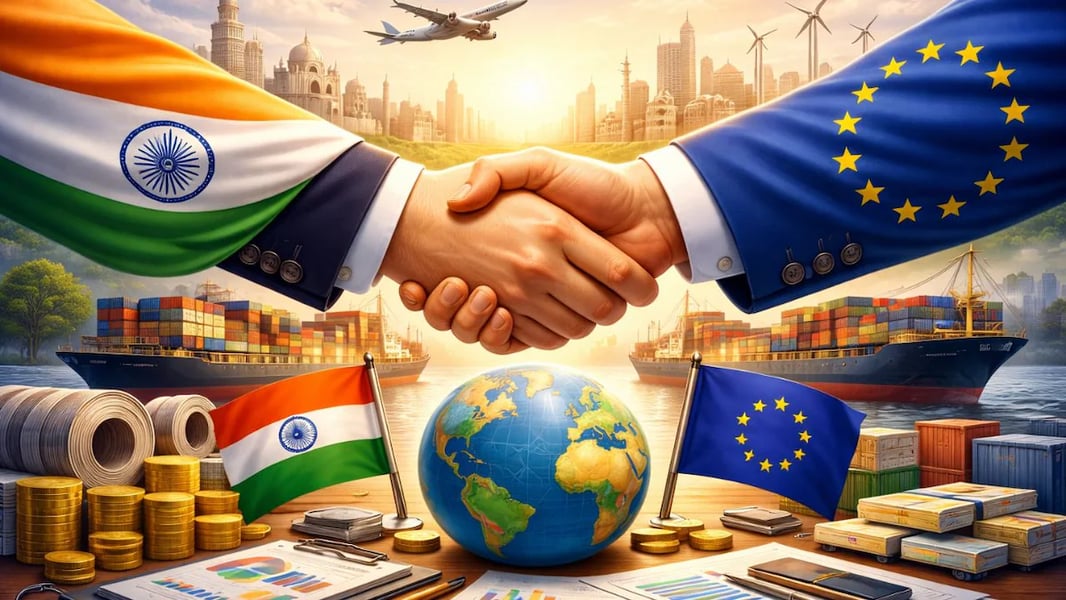

NEW DELHI – More than half the generic medicines and vaccines reaching hospitals and clinics in low-income countries were manufactured in India. The free trade agreement the country concluded with the European Union in January puts the economics of that supply chain in play, and a New Delhi policy foundation is warning that both sides have not yet asked the right question about what this deal should actually accomplish.
The Visvaniti Foundation, a think tank focused on policy, geopolitics and global affairs, published an analysis in August arguing that the India-EU FTA has been framed too narrowly around tariff schedules and investment flows. The real measure of the agreement, in the foundation’s view, is whether it builds resilience against future pandemics, improves access to medicine and accelerates equitable development. The analysis argues the pact can “evolve economic cooperation into a wider partnership for health security and human progress” in a world reshaped by supply chain disruptions, pandemics, technology rivalry and climate change.
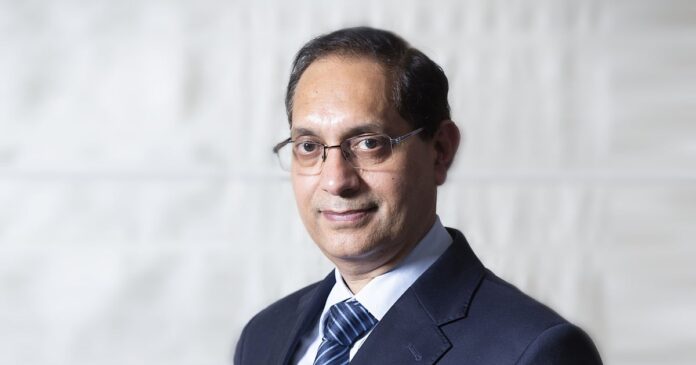
The author, Dr. Cheerathadayan Haseeb, brings a specific vantage point to that argument. A researcher and policy analyst with the Visvaniti Foundation, Dr. Haseeb has written on the intersections of trade policy, health governance and strategic affairs across the Indo-Pacific and Europe, with a focus on the structural gaps between what trade frameworks promise and what communities on the ground actually receive. His August analysis draws on both the macroeconomic dimensions of the deal and the public health stakes that have received little attention in trade negotiations that have dragged across fourteen years.
The numbers that frame the deal are substantial. The agreement links two economies that together represent roughly 1.8 billion people and a quarter of global gross domestic product. The EU pharmaceutical market alone was valued at approximately 572 billion euros in 2025. India’s generics manufacturers supply around 30 percent of global generic medicine volumes by value, a share that grew sharply during the COVID-19 pandemic as European buyers scrambled to diversify supply chains away from Chinese intermediaries.
Dr. Haseeb identifies six areas where, in his view, the agreement’s architects should be building structural cooperation rather than simply reducing trade barriers. Joint research and development on infectious diseases, oncology, antibiotic resistance and artificial intelligence applications in diagnostics. Healthcare workforce mobility, given Europe’s acute shortage of medical professionals against India’s surplus of trained doctors, nurses and health administrators. Digital health integration, pairing India’s national digital public infrastructure platforms with the European Union’s emerging frameworks on health data governance and patient privacy. And supply chain coordination for pharmaceuticals, medical devices, semiconductors and rare earth materials that the pandemic exposed as dangerously concentrated.
The “Make in India” manufacturing policy adds another layer of complexity. India’s government has used domestic content requirements and production-linked incentive schemes as instruments for building industrial capacity across pharmaceuticals, medical devices and electronics. EU trade negotiators have historically viewed such policies as market distortions; Indian negotiators have treated them as non-negotiable tools of sovereign development planning. The India-UK free trade agreement, finalised earlier this year and already reshaping vehicle tariff schedules for manufacturers like Jaguar Land Rover, navigated similar tensions by carving out specific sector-by-sector arrangements rather than seeking a single overarching framework. Whether the EU deal follows that model or demands greater symmetry remains open.
The geopolitical dimension runs through all of it. Russia’s actions in Ukraine and the post-pandemic fragility of global logistics have accelerated a rethinking of supply chain concentration in both capitals. India has moved cautiously to avoid committing to any arrangement that would limit its strategic flexibility, including its relationship with Moscow. The European Union, meanwhile, has treated diversification away from single-source dependencies as a core economic security priority following its experience with Russian energy. A trade deal that embeds India as a structural partner in European pharmaceutical and technology supply chains could serve both sides’ resilience goals while providing India the market access to accelerate domestic manufacturing upgrades.
Prime Minister Narendra Modi’s European tour in June, which included meetings in France and Slovakia alongside G7 engagements, underscored the political momentum behind the relationship at the highest level. Whether that momentum translates into a deal text with the depth Dr. Haseeb is calling for is a separate question. Trade agreements are negotiated by lawyers and market-access specialists, not public health architects.
Dr. Haseeb writes that the agreement’s “ultimate success will be judged by its ability to build resilience against future pandemics, foster scientific collaboration, improve access to healthcare, create quality jobs, accelerate sustainable development and improve the well-being of ordinary people.” Whether the negotiators on both sides are equipped to hold that wider standard is a question neither the trade text nor Dr. Haseeb’s analysis can yet answer.