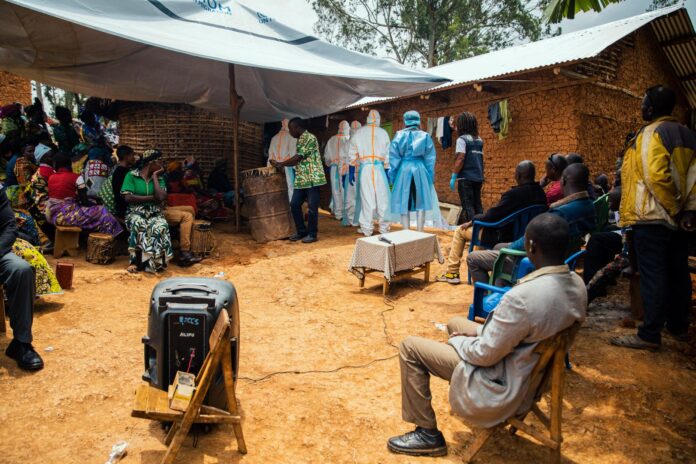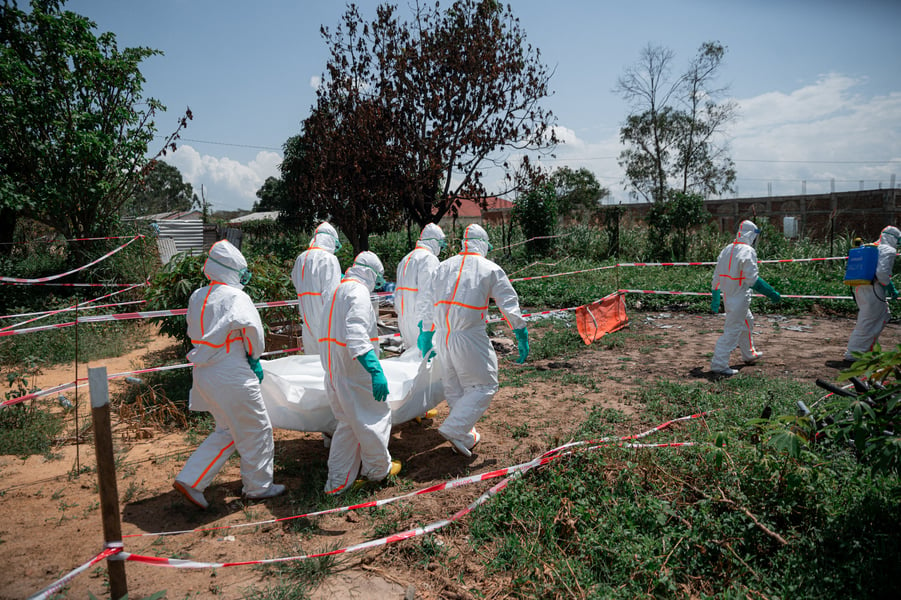

KINSHASA – The families waiting on word from isolation wards in Ituri Province have been getting that news more often. The Bundibugyo strain of Ebola, which arrived in the Democratic Republic of Congo in May with no approved vaccine and no treatment, is killing nearly half of everyone it infects, a fatality rate that has more than doubled in ten weeks.
On Monday, the World Health Organization offered something most international responders had not expected: a deadline. The outbreak, the agency said, can still be brought under control within three months. The caveat attached to that commitment carried more weight than the promise.
“The evolution of this epidemic has exceeded our gravest expectations,” the WHO stated in its latest situation assessment, acknowledging that the outbreak has moved faster, spread further, and killed more people than the organization initially projected when it was declared on May 15. The Congo Ebola 2026 outbreak death toll reached 2,325 confirmed deaths as of Sunday, surpassing the 2,299 who died during the 2018–2020 North Kivu and Ituri outbreak, the worst in DRC’s recorded history until this one. Confirmed infections stand at 4,945. In a single 24-hour period this week, public health workers recorded 101 new cases, a number health officials described as the fastest single-day surge since the outbreak was declared.
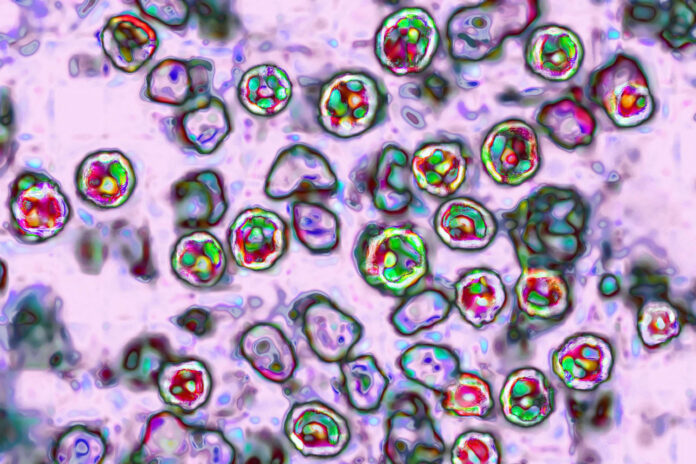
The case fatality ratio has become the metric that most clearly marks what is happening in eastern Congo. In early June, roughly one in five infected people died. That figure now stands at 46 percent, a near-doubling in ten weeks. Bundibugyo is a rarer Ebola species than Zaire, the strain responsible for the 2014–2016 West Africa outbreak that killed approximately 11,000 people. WHO Director-General Tedros Adhanom Ghebreyesus has warned that this outbreak, at its current trajectory, could “eclipse” that crisis, Al Jazeera reported.
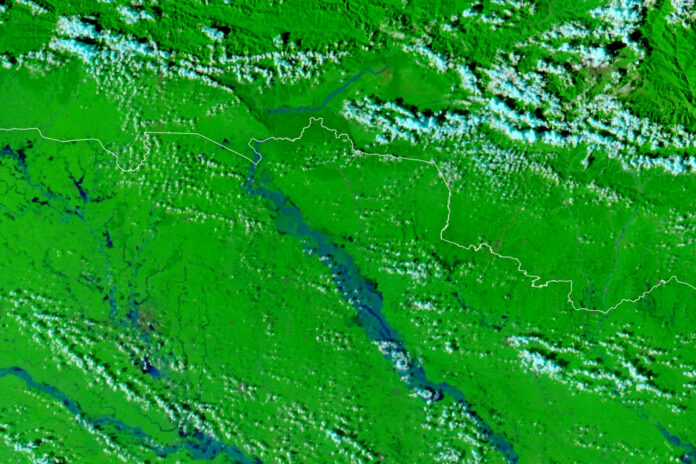
Tom Fletcher, the United Nations Under-Secretary-General for Humanitarian Affairs, set aside institutional language to describe the scale of the problem. “The outbreak is the fastest growing on record,” Fletcher said. “We need speed, scale, and solidarity before this virus gets even further ahead of us.” The disease has now spread to six provinces. The WHO’s three-month commitment is set against an outbreak that has not yet slowed.
DRC’s 17th Ebola outbreak struck a region under significant stress. Conflict in eastern Congo has disrupted supply lines and restricted access for response teams. Remote terrain in Ituri Province made early case detection difficult, allowing transmission chains to lengthen before contacts could be traced. Experimental vaccines are currently being evaluated in field trials, but no approved vaccine or treatment exists for the Bundibugyo species, a fundamental constraint separating this outbreak from the last major DRC Ebola crisis, when the licensed rVSV-ZEBOV vaccine and monoclonal antibody treatments contributed to containing transmission in North Kivu.
Earlier this summer, linked cases emerged across the border in Uganda. Two people died; authorities identified a total of 20 cases and declared that transmission chain contained. In June, France confirmed the France Ebola case, the first Ebola infection detected in Europe since 2014, in a traveler who had passed through DRC on a commercial flight. The French case did not produce secondary transmissions, but it exposed the limitations of international airport screening protocols for an outbreak moving at this speed.
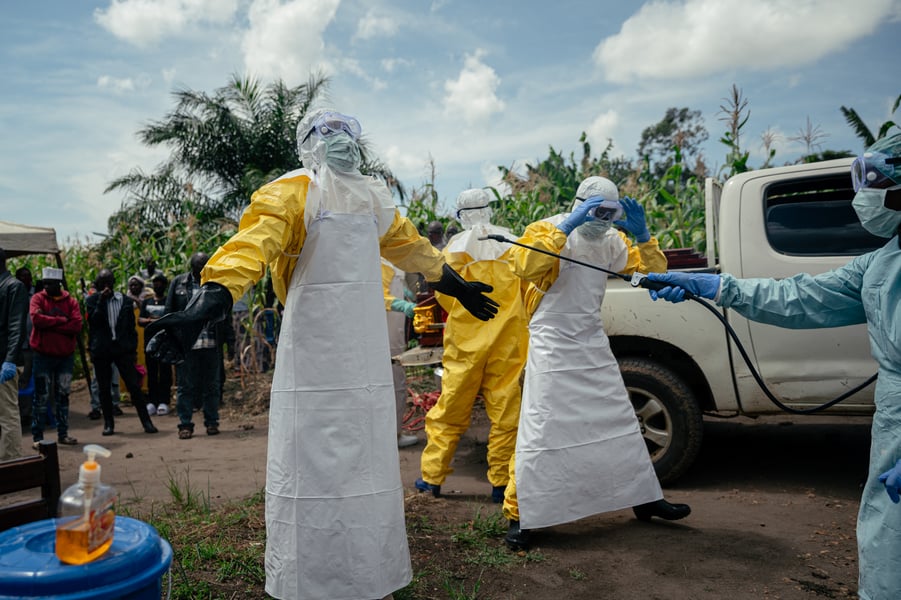
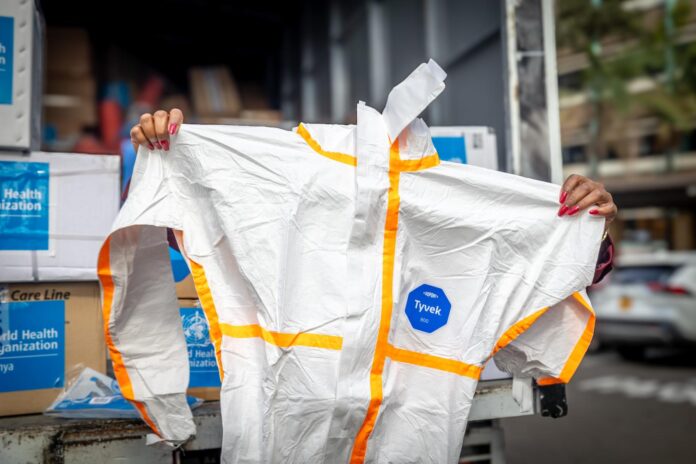
The WHO’s three-month statement reflects a calculated commitment. The agency would not publicly commit to a specific window without a response framework it believes can deliver results within it. Surveillance systems are running. Contact-tracing networks are operating. Isolation capacity has expanded. But the outbreak is still accelerating, and the agency’s own assessment acknowledges that its earlier projections underestimated what Bundibugyo would do in this environment.
For the health workers running contact-tracing operations across six provinces and the families receiving results from isolation wards in Ituri, the three-month window is not an abstraction. The case fatality rate means that for every two people who enter isolation today, roughly one will not recover. What the WHO’s statement did not address is what the response calculus looks like if the deadline passes without containment, and whether the international community’s financial commitments match the speed and scale that Fletcher and the WHO are calling for.
The global health community has learned a great deal about responding to Ebola since 2016. The response tools for the Zaire species, vaccines, treatments, community engagement protocols, are more sophisticated than anything available a decade ago. None of them were designed for Bundibugyo. The species is rare enough that vaccine development never reached licensed deployment. The three-month timeline accounts for that gap. Whether the gap can be closed in three months is a different question.