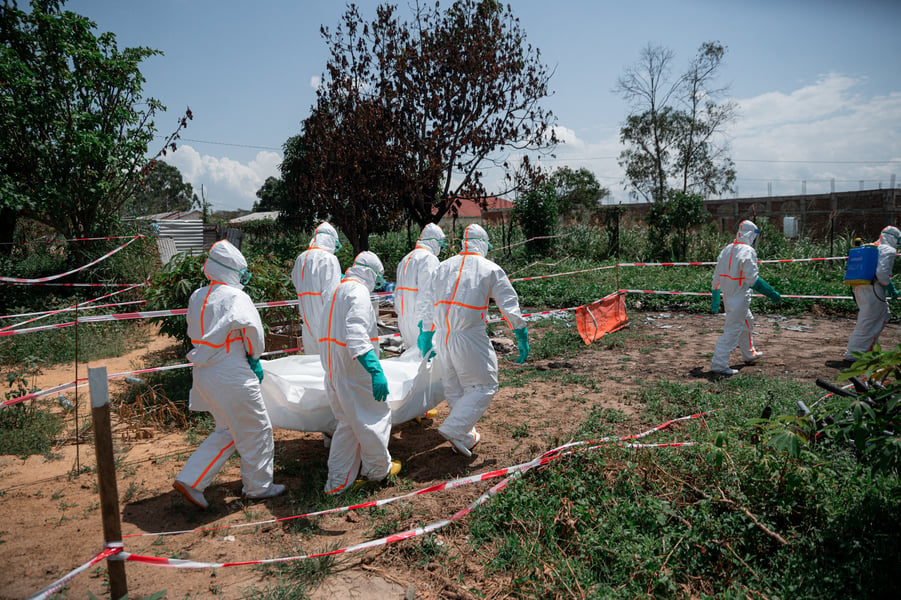

KINSHASA — The number on a government database in Kinshasa crossed a threshold this weekend that doctors and aid workers had feared for weeks: 2,325 confirmed Ebola deaths, officially surpassing the toll from the 2018–2020 epidemic to make this the deadliest outbreak in the Democratic Republic of the Congo’s recorded history.
Behind that figure are the families who could not access treatment centers, the contact tracers outpaced by a virus spreading faster than health teams can follow, and a case fatality ratio that has nearly tripled since the outbreak was formally declared on May 15. The disease, caused by the Bundibugyo species of Ebola — for which no approved vaccine or treatment exists — is now killing close to one in every two people who test positive.
The DRC’s national public health institute confirmed Sunday that 4,945 infections have been detected in the country’s 17th Ebola outbreak, with 101 new cases identified in the preceding 24 hours. Three months in, the outbreak has spread across multiple provinces, straining a health system already weakened by years of conflict in the country’s east.
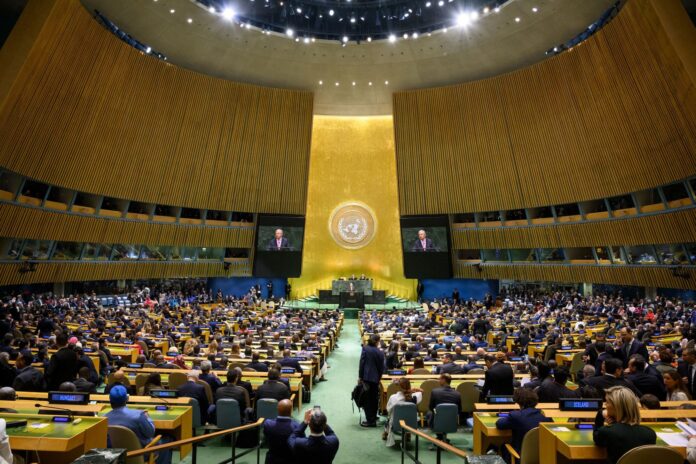
“We need speed, scale, and solidarity before this virus gets even further ahead of us,” Tom Fletcher, the United Nations under-secretary-general for humanitarian affairs, said in a statement urging emergency funding. Global health agencies say the appeals have been only partially answered.
The case fatality ratio — the proportion of confirmed infections that end in death — began at roughly 20 percent in early June. It has since climbed to 46 percent, a figure that health specialists say reflects not greater viral lethality but systemic failures in detection. “Normally, as an outbreak progresses, the case fatality ratio should fall as contact tracing improves and patients are identified and treated earlier,” said Thomas Parisch, a public health specialist with Doctors Without Borders deployed to the DRC. Instead, he said, cases are consistently identified only after patients have died in the community, when treatment is no longer possible.
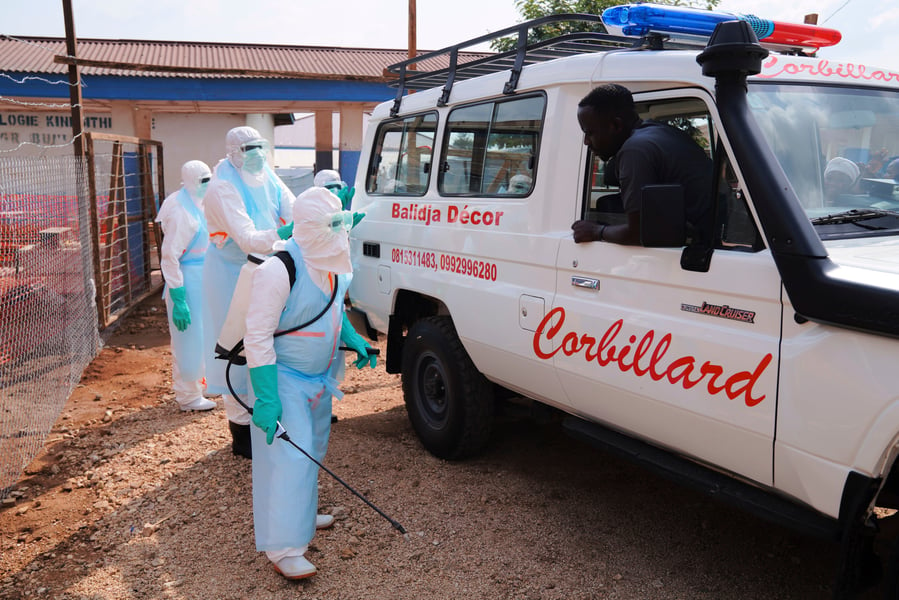
That gap between infection and detection is the central flaw in the current response. Unlike the 2018–2020 outbreak, which prompted an unprecedented deployment of an experimental vaccine targeting the Zaire strain of Ebola, the Bundibugyo species spreading now cannot be addressed by the same shot. A small number of experimental vaccines and therapies are being evaluated, but no timeline for broad deployment exists.
World Health Organization Director-General Tedros Adhanom Ghebreyesus warned last week that without a rapid scaling of international support, the DRC outbreak could rival the 2014–2016 West African crisis, which recorded 28,616 cases and 11,310 deaths across Guinea, Liberia, and Sierra Leone. That crisis needed roughly five months to reach 1,000 deaths. The DRC’s current outbreak surpassed 2,000 deaths in less than three months.
The DRC has recorded 33 Ebola outbreaks since 1976, more than any other country. But scale alone does not explain the gravity of the current situation. The Congo Ebola epidemic had already exceeded the 2018–2020 case count by late July, according to Al Jazeera. Since then, deaths have followed.
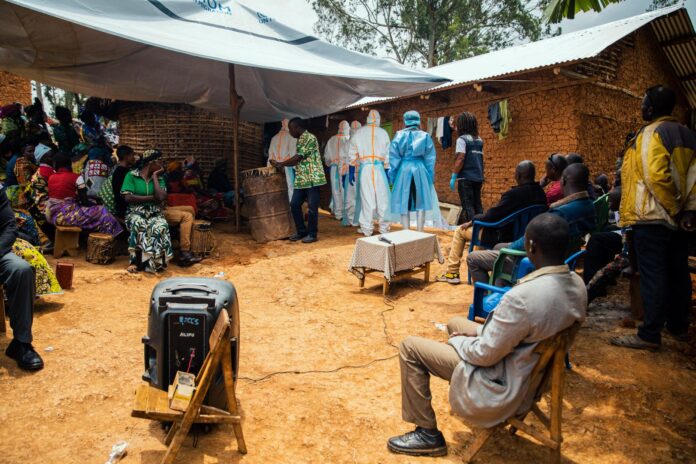
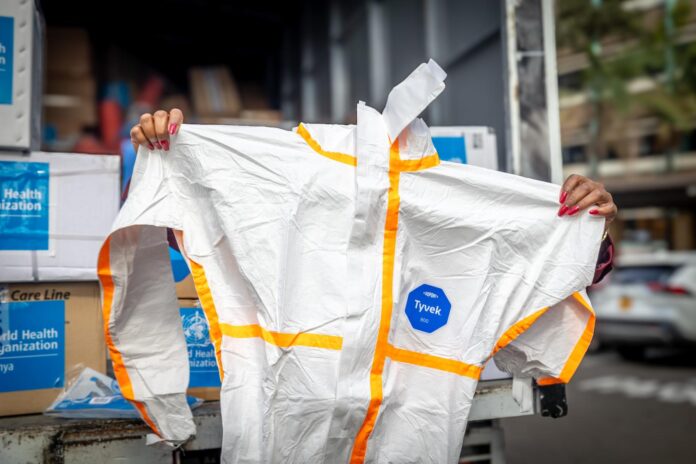
Field teams from Doctors Without Borders describe oxygen shortages at treatment centers, insufficient protective equipment, and a shortage of trained nurses capable of working safely in high-risk isolation units. The monitoring of the Ebola death toll in DRC through each grim milestone has repeatedly exposed a mismatch between pledged international support and operational capacity on the ground.
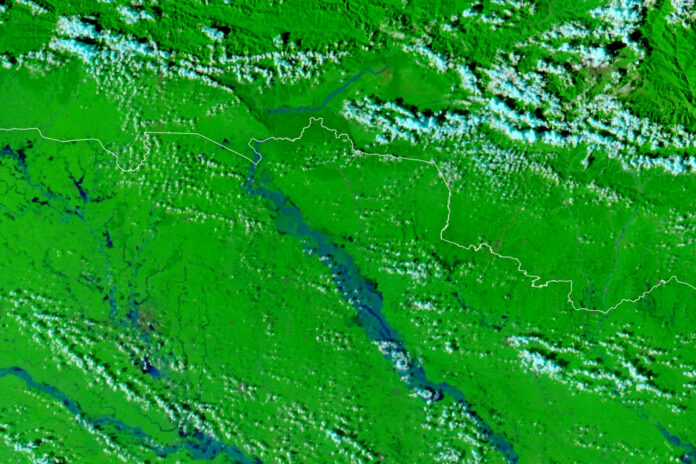
The outbreak has also tested regional containment. The DRC’s affected zones sit near the borders of South Sudan, Uganda, and Rwanda, raising cross-border transmission risks. Uganda confirmed linked cases earlier this summer, before authorities declared the outbreak there contained, with two deaths and 20 total cases. The first Ebola case in Europe linked to the current crisis was confirmed in France in June.
Whether the DRC outbreak can be contained before it approaches the West African crisis scale is not yet determinable. The variables — available funding, treatment center capacity, community trust in health workers, and outcomes from ongoing experimental vaccine trials — remain in motion. What is clear is that the DRC is now fighting the worst Ebola outbreak in its history, with no approved therapeutic tools for the strain driving it.
The DRC’s health ministry has not responded to requests for updated data on health worker infections. In prior outbreaks, that figure served as a leading indicator of whether protective protocols were holding.