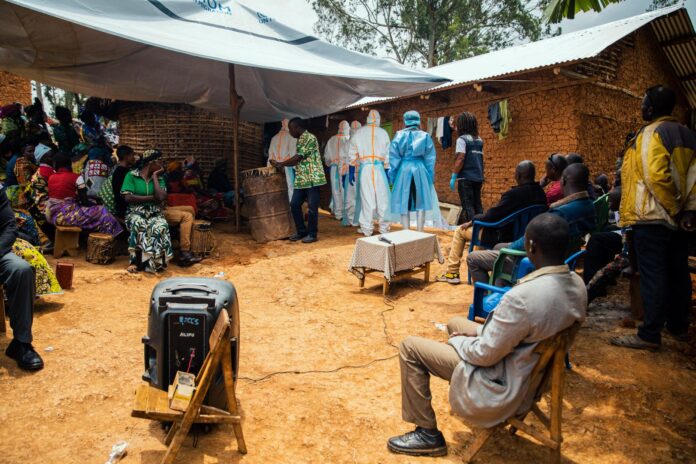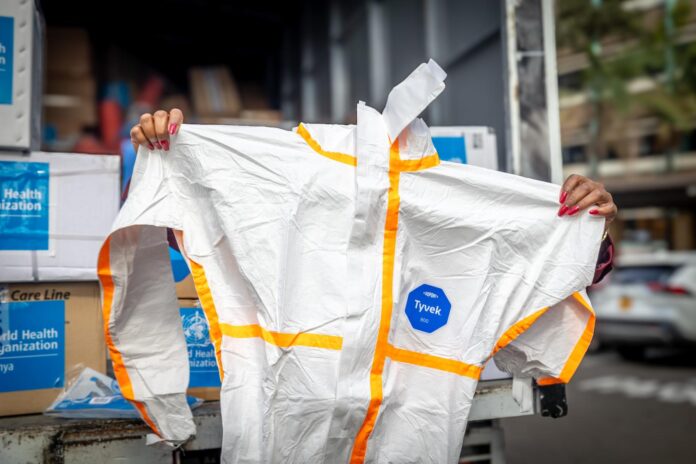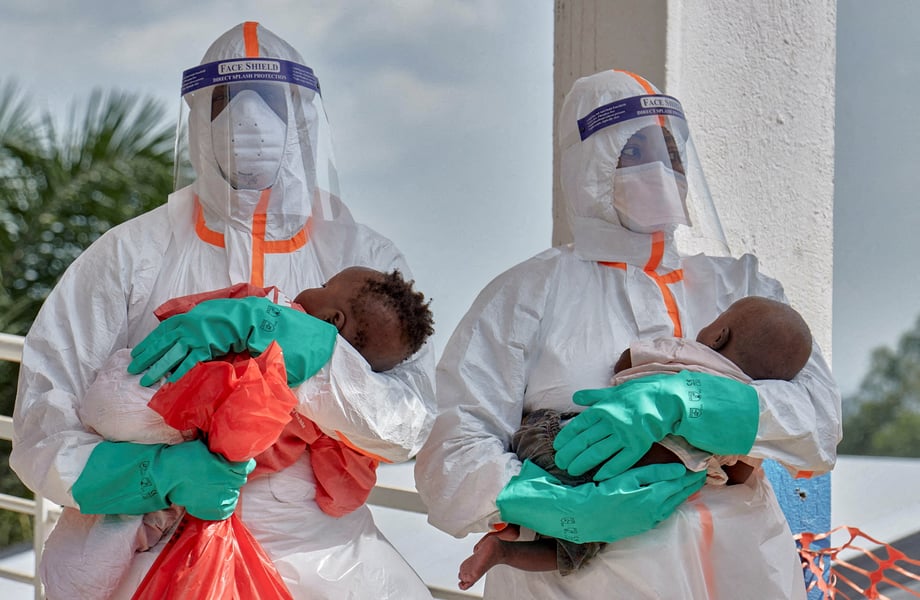

KINSHASA – At a secured response zone in Bunia, health workers in full protective gear were examining children for signs of infection last week when a grim threshold was crossed: the Ebola epidemic tearing through eastern Congo had become, by confirmed case count, the second largest in the disease’s recorded history.
With 3,532 confirmed cases and 1,556 deaths logged as of July 31, the outbreak caused by the rare Bundibugyo strain has surpassed the 2018-2020 North Kivu and Ituri epidemic, which killed approximately 2,299 people across around 3,481 confirmed infections. Only the 2014-2016 West African disaster remains larger, having infected more than 28,600 people across Guinea, Liberia, and Sierra Leone and killing over 11,300.
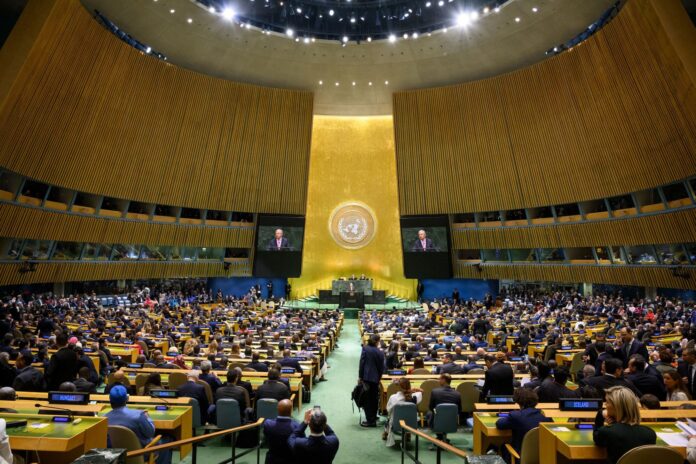
Carl Skau, the acting head of the United Nations World Food Programme, offered the starkest assessment yet. “It’s the fastest spreading Ebola epidemic that we have ever seen,” Skau said. “The world needs to pay much more attention.” Within three months of the outbreak’s start, deaths were already running five times higher than those recorded at equivalent stages of any previous Ebola crisis in history.
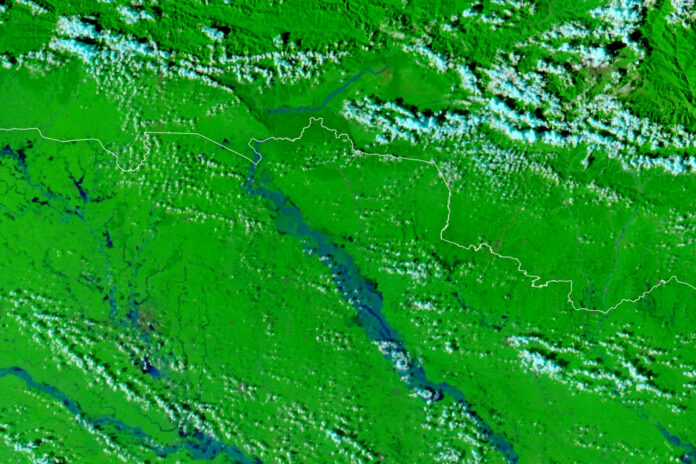
Five provinces in the Democratic Republic of the Congo are now affected: Haut-Uele, Ituri, North Kivu, South Kivu, and Tshopo. Ituri province alone accounts for nearly nine of every ten confirmed cases, but the spread into Kisangani, a river and road transport hub in Tshopo province, has alarmed health officials. Kisangani connects eastern Congo to the rest of the country and, potentially, to Kinshasa, a city of more than 15 million people that no Ebola outbreak has yet reached at scale.
The case fatality rate stands at 44.1 percent. Eight days ago, the death toll crossed 1,000 for the first time, itself a record for the speed at which any Ebola outbreak had reached that number. Today’s count of 1,556 represents a 55 percent increase in under two weeks, a pace that leaves no major health agency able to project a clear peak date.
More than 63 percent of recent deaths occurred outside treatment centres, a figure that points to a fundamental failure of trust between communities and the formal health response. “The disease has now settled in the community,” said Angele Gapio, head of emergencies at Caritas in Bunia. “People continue to seek treatment from traditional healers, and the chain of transmission continues.” Armed group attacks on response teams have repeatedly forced the suspension of vaccination and outreach activities across Ituri and North Kivu.

A separate structural crisis compounds the problem: health workers at several Ebola treatment centres have staged strikes over months of unpaid wages. Africa CDC, the African Union’s public health body, has requested $1.4 billion to contain the outbreak, three times its earlier estimate. Donor pledges have covered only a fraction of that figure, as a broader withdrawal of foreign aid from global health emergencies since late 2025 has left the response chronically short of money.
The World Health Organization has warned that official case figures almost certainly understate the true scale of infection. Testing coverage in conflict-affected areas of eastern DRC is irregular, and the agency has estimated the real case count could be four times higher than confirmed records, implying a hidden epidemic of more than 14,000 people, most of them untested and untreated. Al Jazeera reported Thursday that international funding pledges have not matched the pace of spread.
Unlike the 2018-2020 outbreak in the same region, which involved the Zaire strain and could be addressed with the approved rVSV-ZEBOV vaccine and licensed antivirals, the Bundibugyo variant has no licensed vaccine or proven treatment. The strain was first identified in Uganda in 2007, in a cluster of 122 cases that killed 37 people and was quickly contained. Its re-emergence in eastern Congo, at a scale hundreds of times larger, has stunned researchers. A clinical trial launched in Ituri last month is testing remdesivir and the monoclonal antibody MBP134 against the strain, but results remain months away.
Uganda, which faced cross-border transmission from eastern Congo earlier this month, declared its own Ebola outbreak over on July 28 after successfully isolating and treating its cases and confirming no new infections. The declaration offered a narrow sign that geographic containment remains possible at the country level, even as the outbreak’s DRC core continues to expand.
What comes next depends on variables that no health authority has been able to resolve. Whether international funding will arrive before the curve begins to turn, whether armed groups allow sustained health team access to affected communities, and whether investigational treatments yield results in time to matter remain open questions. Africa CDC and WHO have offered no specific threshold or timeline for when the epidemic’s pace might slow. The 2014-2016 West African outbreak, the only precedent of comparable scale, did not peak until nearly 18 months in.