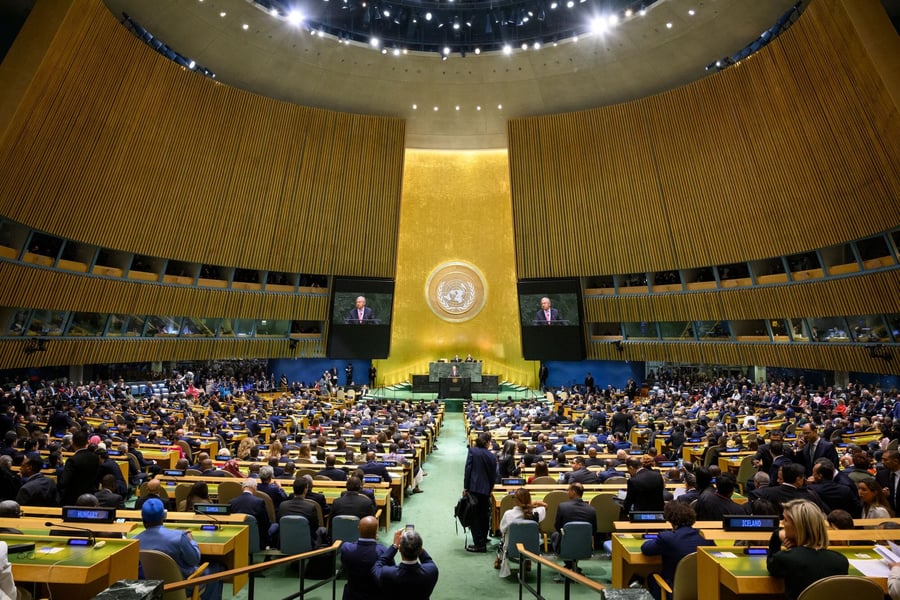

UNITED NATIONS — The WHO Pandemic Agreement still cannot be opened for signature, and a General Assembly vote on Monday showed how far apart the countries holding it up remain: 153 backed a new pandemic declaration, three voted against it, and one of the three was the United States.
The declaration was meant to pass by consensus at a high-level meeting on September 25. Objections from the United States and a few other states blocked that, UN News reported, and sent it back to the General Assembly floor, where it was adopted by 153 votes to three. Argentina, Israel and the United States voted no. New Zealand and Paraguay abstained.
The US representative had cited “divisive ideologies that lack definitional consensus” and the text’s references to the continuing annex negotiations. The account TEH could read carries no explanation from Argentina or Israel, and none from New Zealand or Paraguay for abstaining. TEH could not find a UN meeting record to check it against.
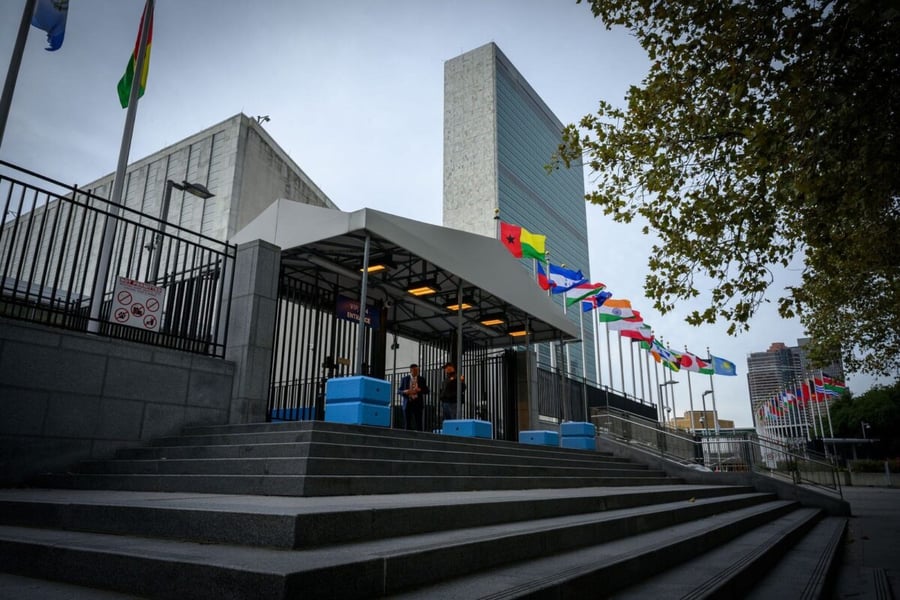
Chile’s representative summed up what UN News called the prevailing view: “no country, no matter how big it might be or how prepared it might be, can alone address a threat that knows no borders.” The declaration is political and non-binding. It calls for stronger national, regional and international cooperation guided by science, equity and respect for human rights, and it welcomes last year’s adoption of the WHO Pandemic Agreement.
The agreement is the harder problem. It cannot be opened for signature until members finish an annex on pathogen access and benefit-sharing, the system under which countries would share samples and genetic data, and those that do would receive a share of any resulting vaccines, treatments and diagnostics. Talks have stalled in a standoff between developing countries on one side and some high-income European nations and the United States on the other.
The World Health Organization welcomed the vote. “The world has come a long way since COVID-19,” its chief, Tedros Adhanom Ghebreyesus, said, urging countries to finalize the annex “so the WHO Pandemic Agreement can be opened for signature, begin the process of ratification and enter into force as international law.” The World Health Assembly, with its 194 members, is due to return to the annex next May.
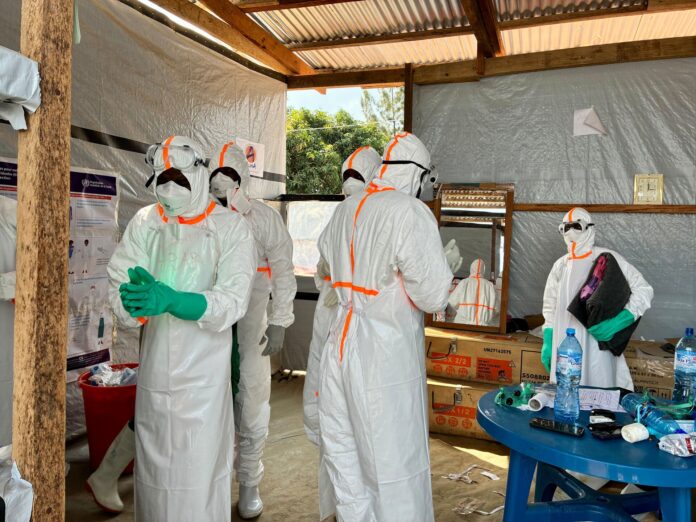
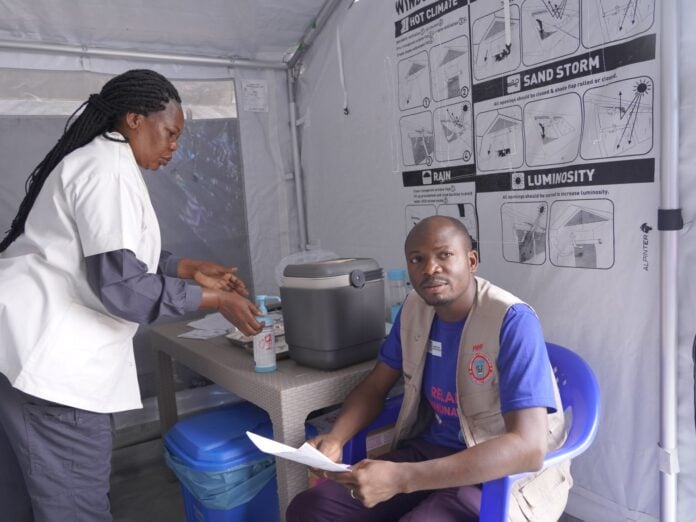
The vote came while Congo is fighting the largest Ebola outbreak in its history. Congo’s Ebola task force counted 9,066 confirmed cases and 4,381 deaths through October 11, with no approved vaccine or treatment for the strain behind it, as TEH reported on Congo’s Ebola outbreak on Tuesday. Who gets the first doses of a vaccine for a strain like that is exactly the question the annex is meant to answer.

On the same day, UN News said, WHO launched a five-year strategy for its Hub for Pandemic and Epidemic Intelligence, which was set up in 2021 during COVID-19 and aims to let every country detect emerging health threats within 24 hours.
The declaration changes no one’s obligations, and the text that would is still unwritten. Whether any of the three who voted no, or the two who abstained, will bring a different position to the annex talks in May is not something the record shows.