
GENEVA — Governments have written health into their climate plans. Few have said what it will cost, and fewer still how much of the bill they will pay themselves.
That is the finding of a World Health Organization review published on October 19. It read 114 national climate plans filed under the Paris Agreement, covering 140 Parties because the European Union’s single plan speaks for its 27 members. Of those, 128 Parties, or 91%, mention health. Only four of the 82 that claim health gains from cutting emissions quantify or monitor them.
The gap between mention and money is the story. Just 23% of Parties, 32 in all, estimate what their health measures will cost. Only 7%, or 10, say any of the funding is unconditional, meaning it comes from their own budgets rather than depending on foreign support.
The report opens by calling climate change “a present and escalating public health emergency”, and its examples show what the promises look like when they are costed. Vanuatu’s plan puts its health and nutrition commitments at about $62 million, almost $52 million of it conditional, the review says. Eswatini pledges that 80% of its health facilities will keep working through climate disasters by 2035.
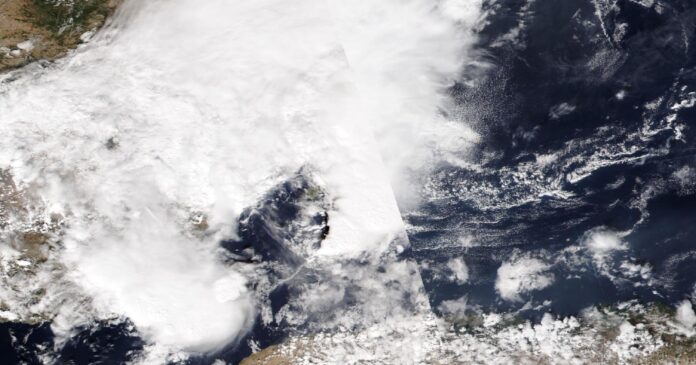
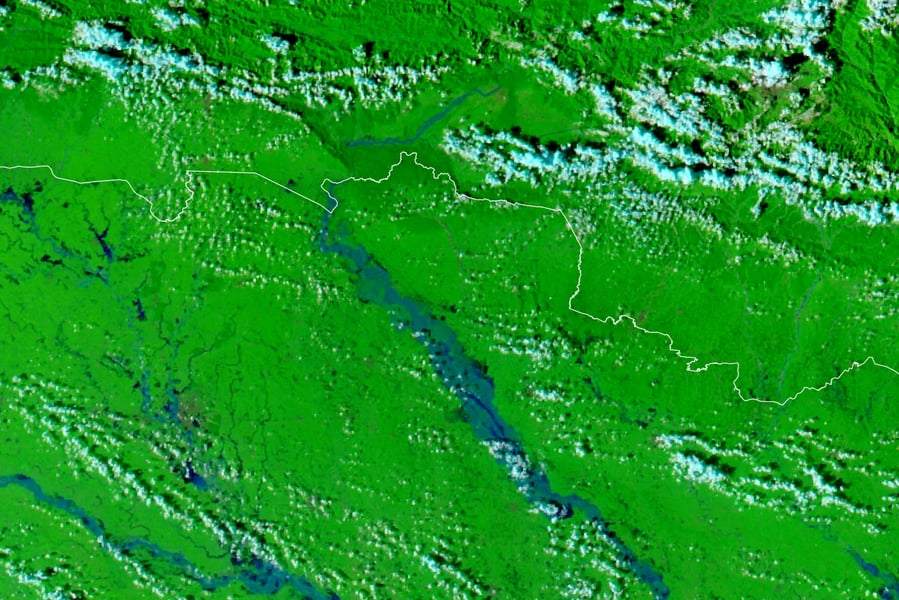
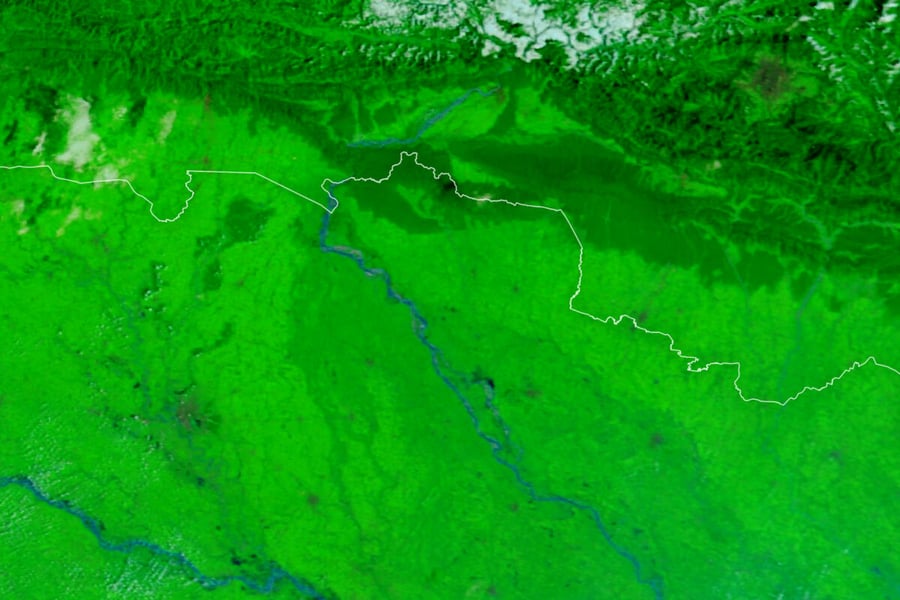
Nepal’s plan commits to upgrading 140 health facilities by 2030 and 280 by 2035 to be low-carbon and climate resilient, with solar backup. In September a Gandak river gauge at Devghat reached 11.94 metres, the highest since measurements began there in the 1960s, NASA’s Earth Observatory said, citing Nepal’s Department of Hydrology and Meteorology.
The count includes the United States, whose plan was filed before Washington withdrew from the Paris Agreement, a footnote explains. That plan credited clean-energy laws with cleaner city air and better lung and heart health. TEH reported in September that the EPA finalised a power plant carbon limits repeal that health groups say erases protections that prevented about 4,500 premature deaths a year.
WHO’s own caveats are plain. Reviewers read only what the documents say, so work that never reached the page goes uncounted: a WHO survey cited in the report found 60% of countries (88 of 145) said their health ministry contributed to the plan, yet only 15% of Parties say in theirs that it led the health contribution. Five reviewers coded the plans, using machine translation checked against originals. Comparisons with WHO’s 2023 review rest on different counts of Parties, 193 then and 140 now, so a slip in unconditional health funding from 11% to 7% may reflect who had filed by mid-May as much as any change of policy.
For poorer governments, a conditional pledge depends on someone else’s budget. WHO says accelerating climate action “will rely on strengthened commitments from countries with greater capacity”. The next round of plans is due in 2030. By then, will any government be able to say what its health pledges cost, and who paid?