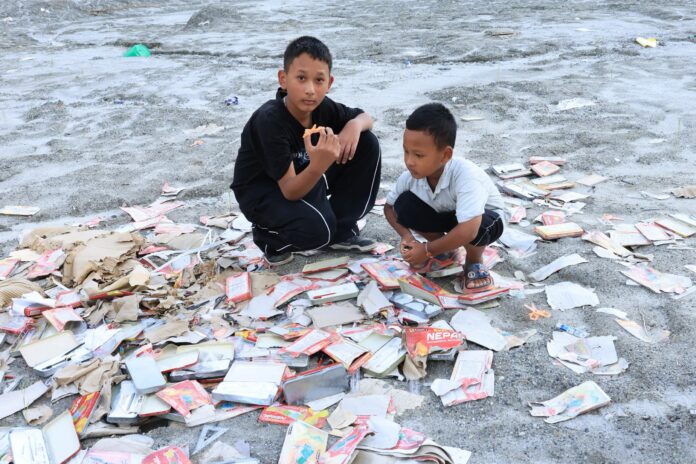

ULAN BATOR — A vehicle in a convoy caught fire inside Mongolia’s Numrug Strictly Protected Area on October 8, and ten days on, the country is still working out who answers for what followed. Xinhua reported on Sunday that public anger is mounting and that the justice minister has promised compensation claims.
Local media cited by Xinhua say the convoy carried executives of Mobicom, a Mongolian telecoms company with Japanese investment, and that the driver was a Japanese national. Mobicom’s account differs: it says its team was doing telecommunications work in the area. Eguur News, a Mongolian digital outlet cited by Xinhua, reports the group meant to catch Hucho taimen, a critically endangered fish on Mongolia’s red list, and local media told Xinhua the group had entered the reserve for “wild hunting.”
Justice and Internal Affairs Minister Temuulen Ganzorig said the personnel involved, and people from border-port administrations, will be held responsible and ordered to compensate for losses. Reaching past the convoy to the border-port administrations is the sharpest line in the account, and Xinhua does not say whom he meant or how many people. The case is now with police, and no conclusions have been released.
What is at stake is partly legal and partly a question of scale. Mongolian criminal law bars unauthorised hunting in protected areas, Xinhua noted, and causing a steppe fire can bring criminal penalties depending on intent, negligence and the extent of the damage. Xinhua adds that questions swirl over whether the convoy had permits to enter a sensitive reserve during a high fire-risk period.
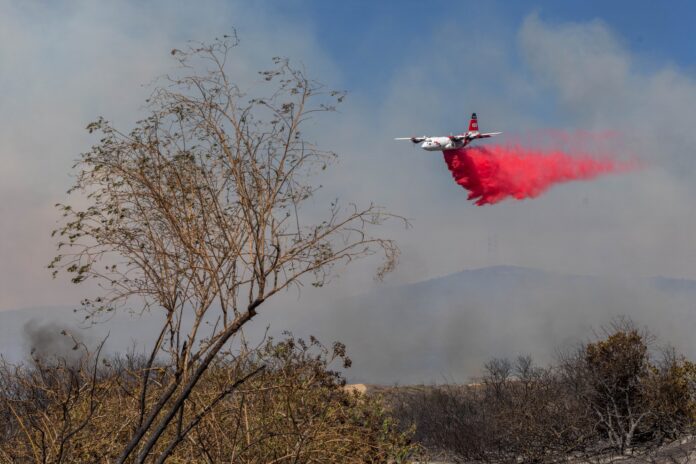
The response spanned the border. Mongolia mobilised 606 personnel and 100 sets of equipment in 60 firefighting groups from three provinces. China put more than 3,400 firefighters and other crew along its frontier as the blaze spread toward it, up from the more than 2,000 CGTN reported on October 13. By TEH’s arithmetic the Chinese figure is more than five times Mongolia’s, though the two counts are not like for like.
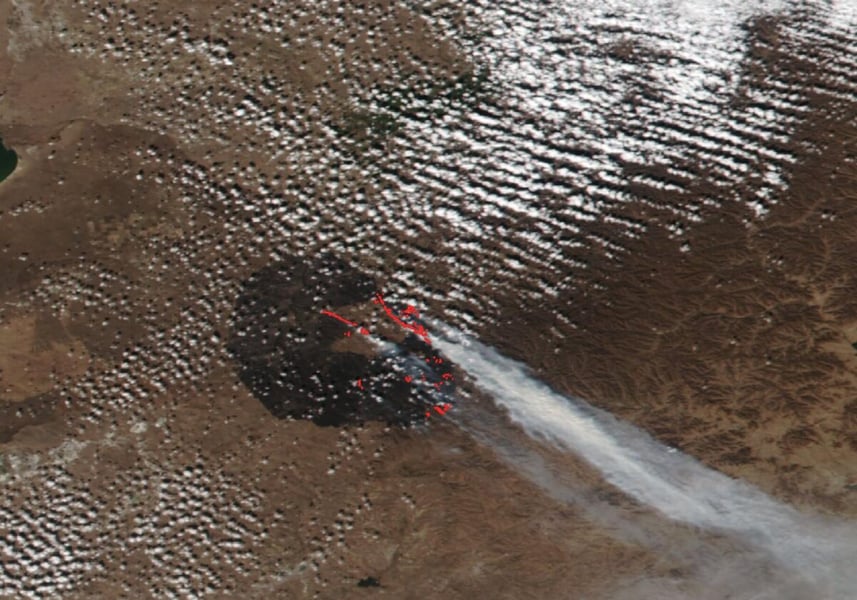
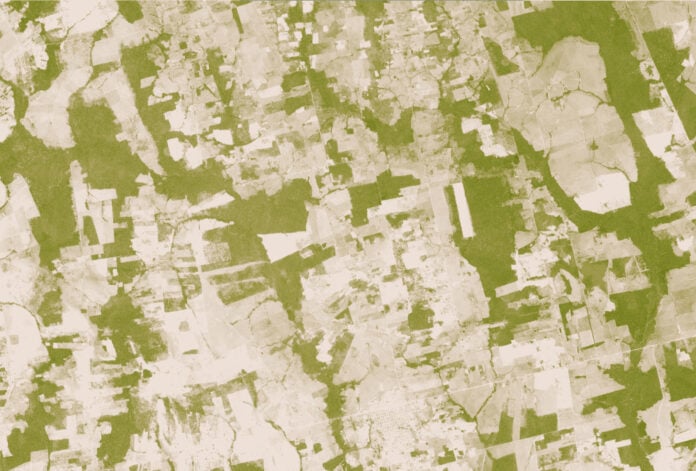
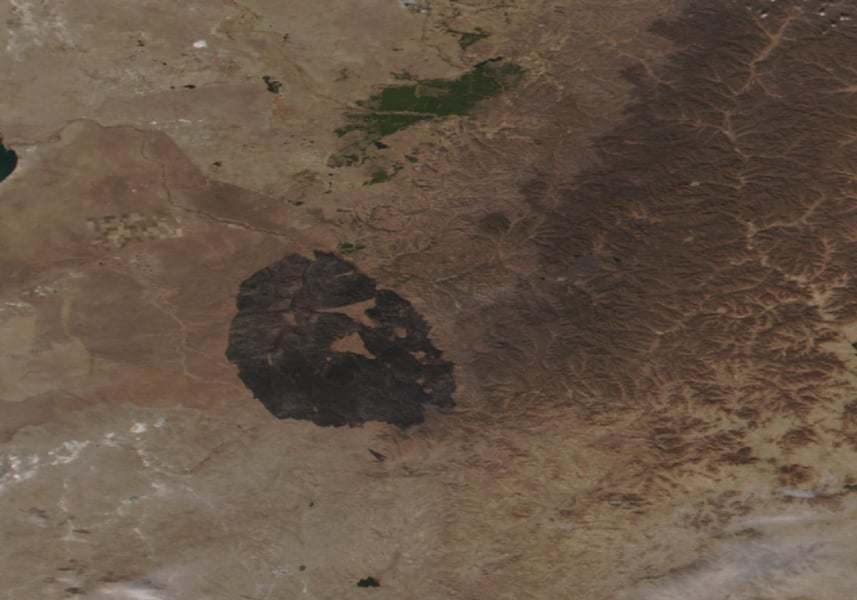
Satellite images show the scale. NASA‘s Worldview imagery, built from the VIIRS instrument on the Suomi NPP satellite, shows a large dark burn scar in Dornod Province in its October 16 pass, the day Xinhua says open flames were out. TEH did not measure the scar or compare it with the reserve’s boundary, so how much of Numrug burned is not established here.
Xinhua says an assessment of wildlife casualties is pending. Why the convoy was there, and whether anyone gave it permission, are the questions police have yet to answer in public.