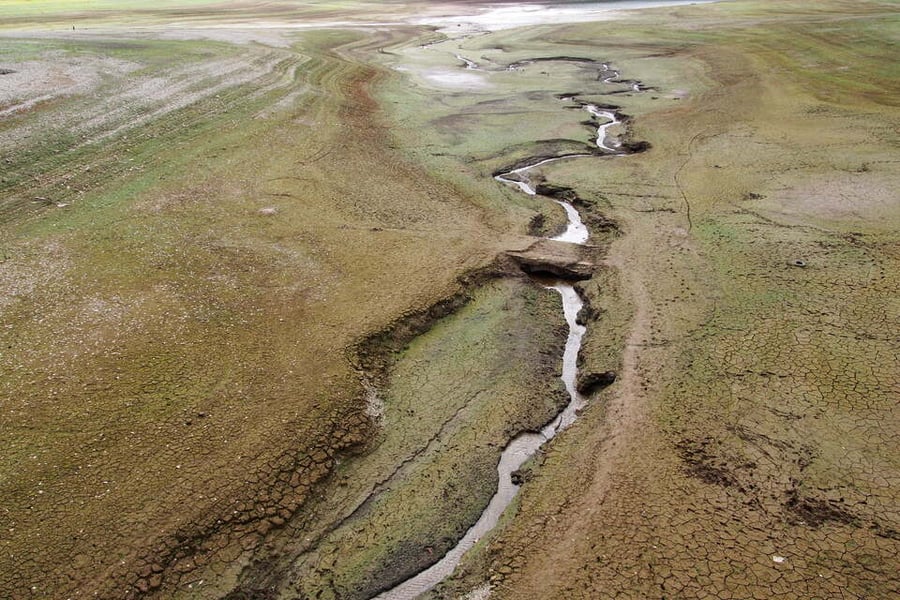

LONDON — Where drinking water and river protection collide in four drought-hit parts of southern England, the government has now put in writing which comes first. Emma Hardy, the water minister, directed the Environment Agency to give “priority to protecting public water supply” in zones around the Wimbleball, Ardingly, Roadford and Colliford reservoirs, according to a direction published on GOV.UK on Monday.
The direction was made on Thursday, the day Defra declared severe drought in parts of Cornwall, Devon, Dorset, Somerset, East Sussex and West Sussex and announced the instruction in a press release. That release said the aim was to let water companies “keep more water in depleted reservoirs.” It did not name the tool the legal text now specifies. The summer behind all this already produced Britain’s first wildfire emergency alert.
The mechanism is Local Enforcement Positions, which the Agency is directed to use “where necessary” for “temporary reductions in environmental releases and changes to abstraction constraints,” so that reservoir storage is preserved and “rota cuts or supply interruption” become less likely. The text also says the direction does not affect the Agency’s statutory duties and does not “authorise unlawful activity or outcomes.” It never defines a Local Enforcement Position.
Under the published text, the arrangement is reviewed monthly and ends only when severe drought is lifted from every specified area. The need is documented. The Environment Agency’s weekly drought report, published Friday, put national reservoir storage at 54% of capacity, around 21% below the long-term average, and listed Ardingly, Colliford and Wimbleball among 11 reservoirs or groups classed as exceptionally low.
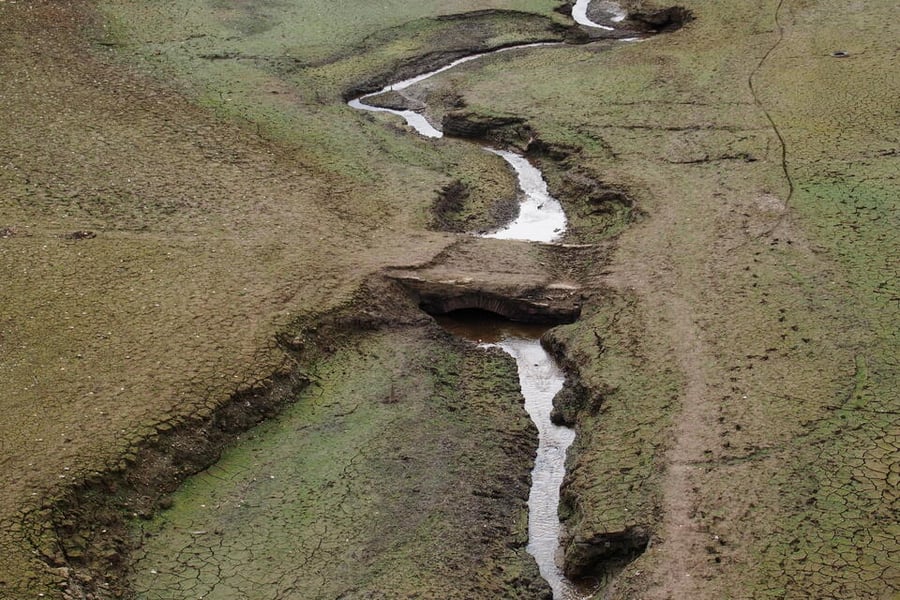
Roadford is the rough edge. The direction names it, yet the same report leaves Roadford off the exceptionally low list and holds South West Water’s Roadford and Colliford zones at drought level 1, the first of four company levels, while Wimbleball’s zone sits at level 3. Wimbleball itself was 18% full on 4 October against 30% a year earlier, the Environment Agency said when it granted a drought permit there, a gap of 12 percentage points by TEH’s arithmetic.
The environmental side of the ledger sits in the same report. It counts 403 confirmed incidents caused by drought and dry weather since the start of 2026, more than the full-year totals for 2022 (380) and 2025 (321), and warns the figure will rise because of reporting lags. Separately it lists 99 dead-fish incidents attributed to drought and dry weather. By TEH’s arithmetic, 403 is 23 above 2022 and 82 above 2025.
Neither the direction nor the weekly report says whether a Local Enforcement Position has been used yet, on which river, or for how long. The direction promises a monthly review. It does not say whether the findings will be published, or why a Thursday signing reached the public on Monday.