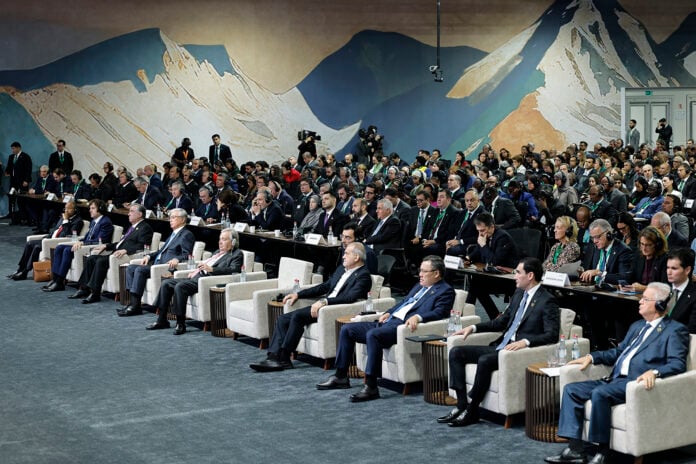

ANTALYA — Negotiators at the UN climate conference were handed a new draft agreement early on Sunday that does not mention fossil fuels, two days after the talks were due to end. The text would acknowledge for the first time that global warming is on course to exceed 1.5 degrees Celsius, but it leaves coal, oil and gas unnamed as the cause.
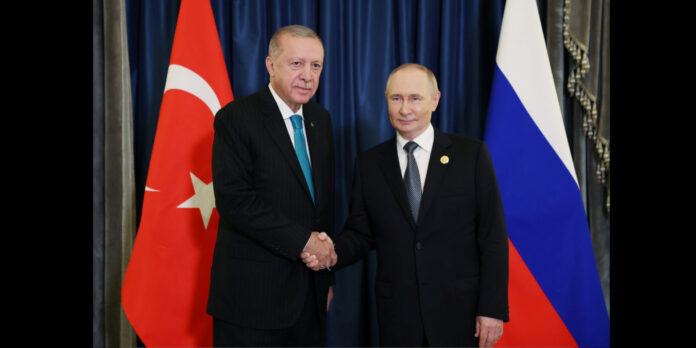
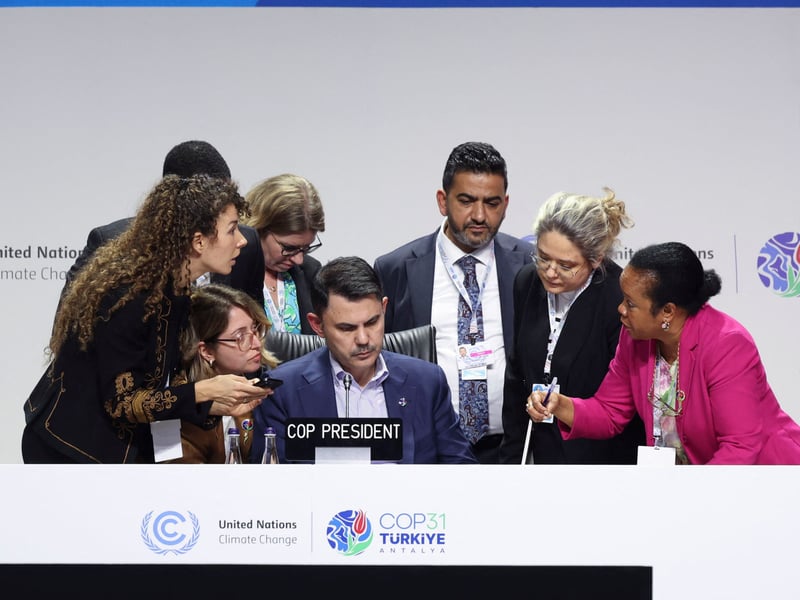
COP31 president Murat Kurum, who is also Turkey’s environment minister, told a plenary session: “We believe that we have put forward a text which all the parties can agree upon.” He said the conference would reconvene later on Sunday morning to approve it, and that he believed concerns over fossil fuels and over adaptation finance for developing countries had been addressed.
Approval needs consensus from almost 200 nations, and several delegations were not persuaded. An EU official told AFP the draft was a “backwards” step and warned of a “very real possibility” of the talks ending without a deal. “The oil-producing countries are putting up a fierce fight,” a German official added.
Instead of naming fossil fuels, the draft refers to an earlier COP at which governments agreed to transition away from oil, gas and coal, Al Jazeera reported. It calls for faster development of carbon-removal technologies to eventually reverse the overshoot of 1.5 degrees. Euronews reported that it also keeps a push to expand carbon capture and storage, a technology backed by the fossil fuel industry but criticized by opponents as costly and ineffective at reducing emissions.
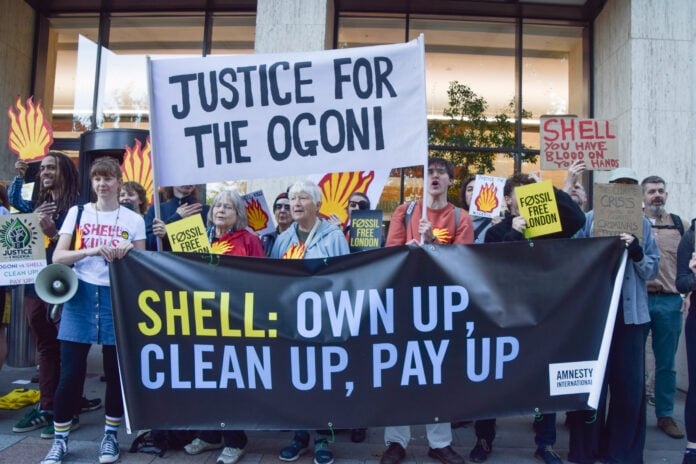
Observers at the closed-door talks said Saudi Arabia and other big oil-producing nations had pushed hard for keeping fossil fuels out of the text and carbon removal in. A representative for the Saudi delegation declined to comment. The environmental group 350.org said it was disappointed by the omission. “Carbon capture is one of the biggest scams of the overshoot era and our leaders are on the verge of falling for it,” said Sara Shaw, the group’s campaigns and networks director.
The fight over wording has run all week. An opening draft from Australia on Monday called for a faster phase-out of fossil fuels. A slimmer version on Thursday removed every mention of them after Saudi Arabia and other major oil and gas producers objected. Delegates also disputed whether ramping up electricity generation should rely only on renewables such as wind and solar, or also on sources such as natural gas and coal.
On Friday, a group of countries led by France and Panama, joined by ministers from Belgium, Finland, Spain, Sweden, Vanuatu and others, demanded explicit action on fossil fuels. France’s minister for ecological transition, Monique Barbut, pointed out that the draft omitted fossil fuels while several paragraphs promoted carbon capture. “It means we don’t recognize what is the problem,” she said, UN News reported. Panama’s environment minister, Juan Carlos Navarro, had said his country would formally object to any agreement without fossil-fuel language. Decisions at UN climate summits are generally adopted by consensus, so a single formal objection can prevent an agreement.
Michael Joseph, the environment minister of Antigua and Barbuda, told AFP: “We are very disappointed with how the text looks.” He said he could not honestly say he was okay with it passing as it stood, adding that the draft was “quite silent” on fossil fuels.
Kurum has been a visible figure in Turkey’s climate diplomacy for months. The Eastern Herald previously reported on his attempt to link the Istanbul floods to climate change.
Whether enough delegations accept the text at the closing session, or whether a single objection stalls it, was not clear on Sunday morning. In a letter sent on Saturday, 100 civil society groups warned the co-hosts, Turkey and Australia, that they were “on course to preside over one of the most disappointing COPs” the UN has ever held.