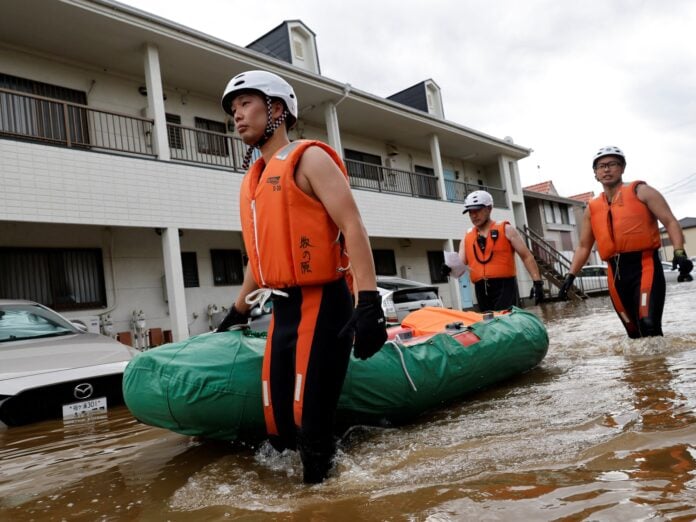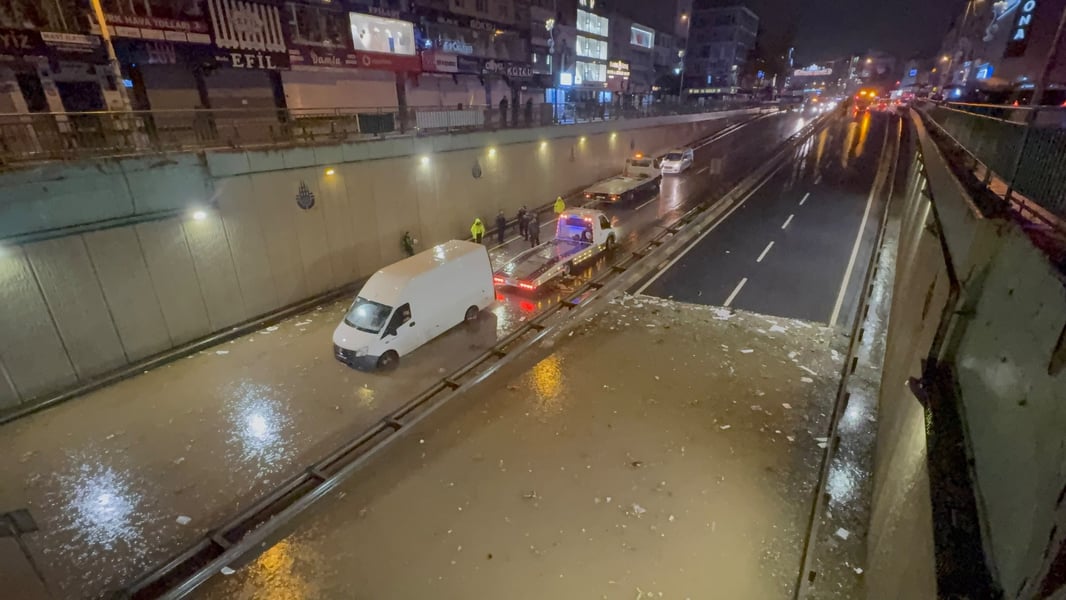

ISTANBUL — The man who will preside over this year’s UN climate summit said on Thursday night that climate change is “no longer the future’s most important agenda item, but today’s,” and he said it in a city where at least three people were dead and five more missing after floods. Murat Kurum, Türkiye’s environment minister, spoke to reporters after a disaster-coordination meeting at AFAD’s Istanbul directorate.
Climate change, Kurum said, “unfortunately” affects the rainfall regime, bringing much heavier rain in much shorter spells, and cities must be planned for coming storms. “We cannot plan the future with the data of the past,” he said. Türkiye is one of the COP31 hosts, and the talks open in Antalya on November 9.
Kurum called it the heaviest rainfall in 83 years: 273 kg of rain per square metre, about 27 centimetres of water, 186 kg of it in 24 hours. He said 3,057 people had been moved to safety. The toll itself is unsettled. Kurum spoke of three dead, some Turkish outlets counted four, and officials gave five or six as the number of people being sought.
The record is not settled. Istanbul Governor Davut Gül, The National reported, described “the highest level of precipitation recorded in Istanbul since 1942.” The Al Jazeera video above is headlined “heaviest rainfall since 1985.”
One long-running gauge is more modest. Boğaziçi University’s Kandilli Observatory measured 129.6 mm on Thursday, the third-highest daily total in its series since 1911, behind 165.8 mm on July 20, 1951 and 131.3 mm on October 3, 1942, Anadolu Agency reported from the observatory’s note. Kurum’s totals are cumulative, and the reports do not say which gauges or time window produced the 273 kg.
Mikdat Kadıoğlu, a professor of climate science and meteorological engineering at Istanbul Technical University, told Daily Sabah that climate change “can increase the intensity of extreme weather events,” but that pinning this rainfall on it would take a dedicated attribution study. Beykoz received 230.3 mm in the 24 hours to 11:03 p.m. on Wednesday, nearly 3.5 times Istanbul’s October average of 66.3 mm. Nor, he said, could El Niño be named as the direct cause.
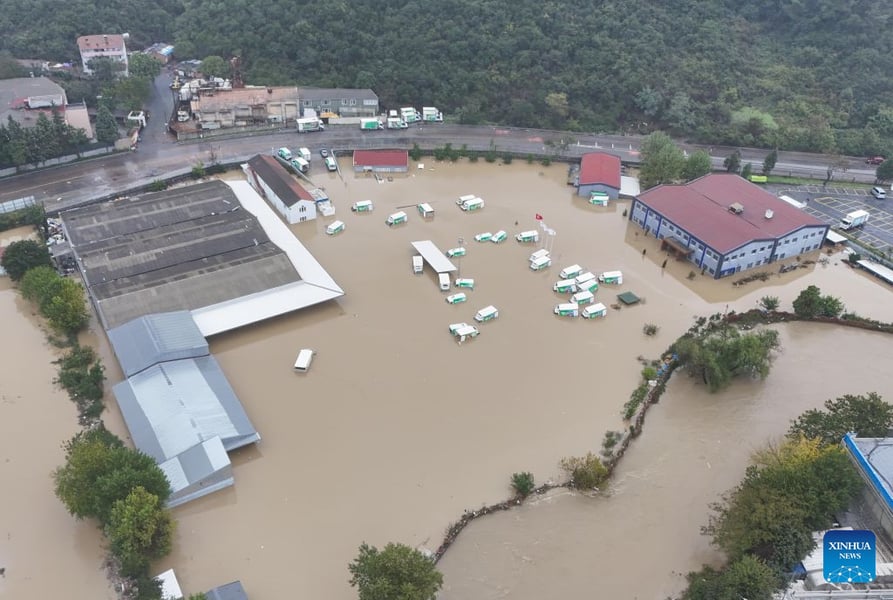
“Climate change increases the danger to some extent, but we make disasters worse,” Kadıoğlu said, blaming building in stream beds, concrete and asphalt that shed rain into underpasses and basements, and delayed administrative decisions. Kurum has asked municipalities to clear stream beds and reassess drainage and flood risk.
Kurum wants damage assessments finished by the weekend, and rain is expected to continue across Istanbul on Saturday. Whether anyone tests the minister’s climate claim against the city’s concrete before Antalya opens is a question none of the statements answers.