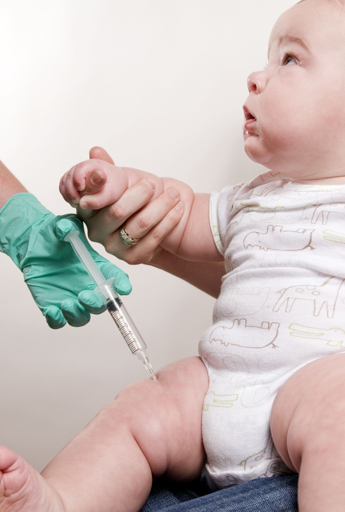

More American parents are declining the vitamin K injection routinely offered to newborns, and two large new studies associate the trend with higher rates of serious infant bleeding. The findings were published November 5 in JAMA and JAMA Pediatrics.
A rising share of newborns without the shot
The JAMA study, led by researchers at Children’s Hospital of Philadelphia, analyzed records for about 5.2 million infants born from 2017 through 2025. ABC News reported that the share of babies who did not receive the shot rose from 3.1% in 2017 to 6.8% in 2025, including an increase from 5.6% in 2024.
The JAMA Pediatrics study examined records for more than 11 million infants and found a similar pattern. According to the Star-Advertiser, the rate of infants going without vitamin K more than doubled from 2017 to 2025, while the overall rate of vitamin K deficiency bleeding rose nearly 350%, to 107.4 cases per 100,000.
The trend predates these results. An earlier analysis of births through 2024, summarized by the National Institutes of Health, found the share without the shot rose from 2.92% in 2017 to 5.18% in 2024.
Higher bleeding risk without the injection
In the JAMA analysis, babies without the shot had a 47% higher risk of any bleeding event in their first six months after adjustment for other factors, ABC News reported. Brain bleeding was 33 per 10,000 births without vitamin K, compared with 13.2 per 10,000 among babies who received it, according to the Star-Advertiser’s account.
Bloomberg reported that these infants were also more than twice as likely to die during the birth hospitalization when bleeding was present. Vitamin K helps blood clot, and the injection has been recommended for newborns for decades.
What the data cannot show
The studies are observational, so they show an association rather than proving cause and effect. They also rely on electronic records, which may not capture why a shot was not documented. The JAMA Pediatrics study did not identify a direct cause for the rise in bleeding cases, according to The Korea Herald’s summary.
Researchers have linked refusal to wider vaccine hesitancy. A preliminary review released by the American Academy of Neurology found that parents who refused vitamin K were far more likely to refuse other newborn protections, though that review covered earlier research and refusal remained low in most settings.
Doctors quoted by ABC News advised parents to discuss any concerns with a trusted health care provider or pediatrician before declining the injection.