
WASHINGTON — The president signed the order in the afternoon. By evening, the country’s leading pediatric organization had called it dangerous. By morning, the people responsible for administering vaccines to children had been given, by the executive branch, a competing set of instructions.
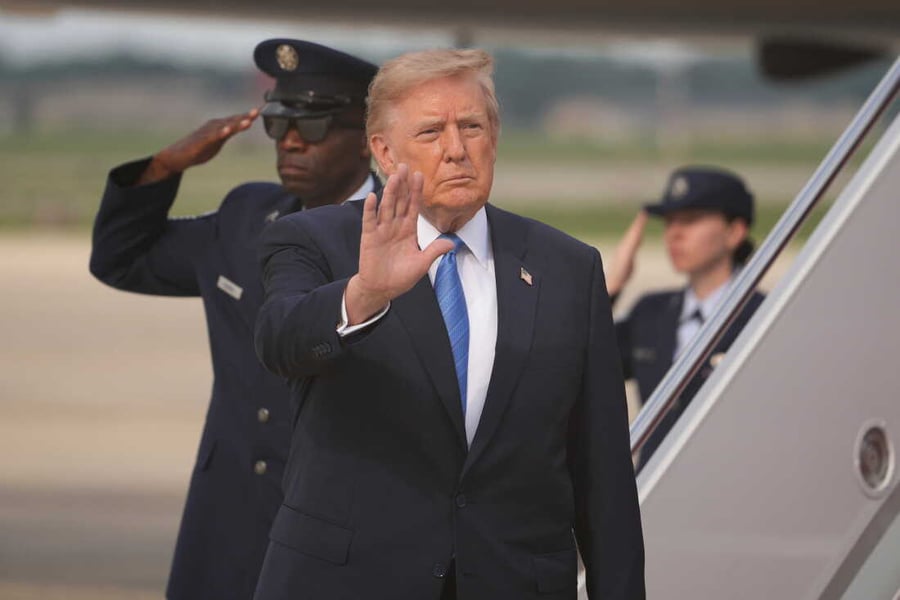
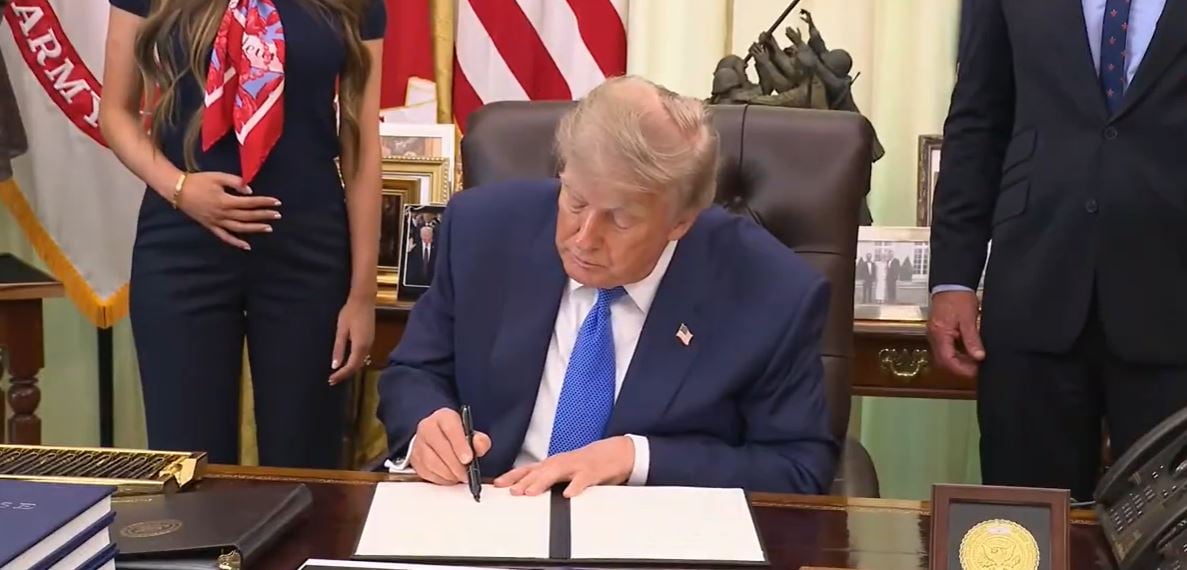
President Trump signed an executive order Monday restructuring the federal childhood vaccine schedule, a framework that had been largely stable for decades, directing that the combination measles, mumps and rubella shot be broken into three separate injections administered at three separate appointments. The order would reduce universal vaccine recommendations from 18 diseases to 11, shifting vaccines against meningococcal disease and hepatitis B from routine to conditional, recommended only for children at elevated risk. Vaccines against influenza and COVID-19, under the order, would become matters of clinical discussion between doctors and parents rather than standing federal guidance.
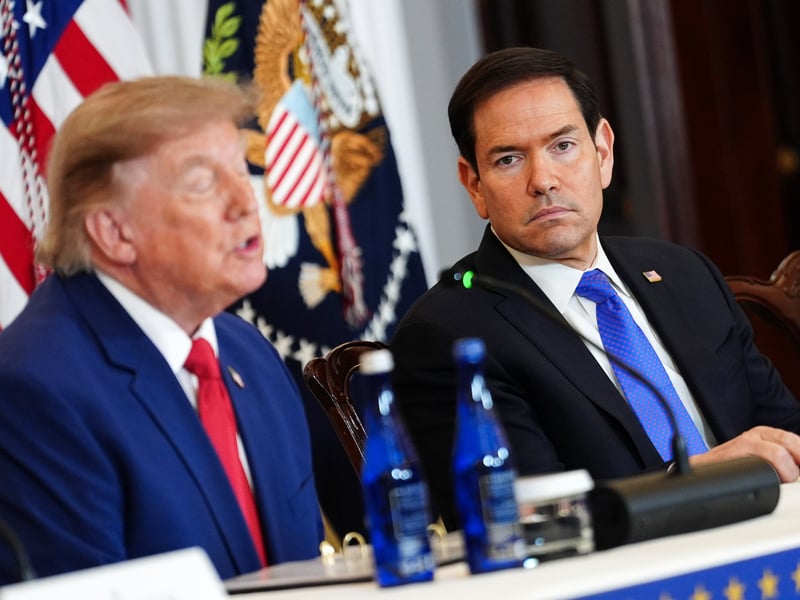
At the signing ceremony, Trump and Health Secretary Robert F. Kennedy Jr. repeated a claim that the combined MMR vaccine causes autism. The executive order itself contains no such language. Extensive research, including a Danish cohort study of 657,461 children, a California registry analysis spanning 18 years, and repeated systematic reviews, has found no association between childhood vaccination and autism. The study that originated the claim, a 1998 paper by Andrew Wakefield, was retracted by The Lancet in 2010 after investigators found the data had been falsified.
The order directs that children receive all vaccines for any given age at separate visits rather than combined appointments. At one year, for instance, a child who previously might have received five vaccines in a single visit would instead be scheduled for five separate clinic trips. The American College of Physicians warned that the change would increase out-of-pocket costs through additional copays.
“Parents deserve clear, evidence-based guidance about how to protect their children, not competing recommendations issued through political processes,” said Michael Osterholm, director of the Center for Infectious Disease Research and Policy at the University of Minnesota.
The order arrives at a moment of acute vulnerability. Measles has infected more than 2,300 Americans in 2026, the worst domestic resurgence since the disease was eliminated from United States circulation 26 years ago. A review panel will assess later this year whether the US has lost its measles elimination status with the Pan American Health Organization. The last time the United States achieved that status required a sustained vaccination campaign, the kind that a fragmented, visit-by-visit appointment structure makes harder to complete.
American Academy of Pediatrics President Andrew Racine, in a statement released hours after the signing, said the order ignored the medical reasoning behind the existing schedule. Pediatricians recommend vaccines at specific ages because of how the immune system develops and when children are most vulnerable to particular diseases, Racine said. “Delaying or skipping shots is risky, especially as measles continues to spread.”
The executive order also directs the attorney general to take legal action against states with mandatory vaccination laws that, in the administration’s view, fail to adequately protect religious exemptions and parental authority. In recent months, Kennedy’s push to reshape vaccine policy has already stalled the federal advisory committee, leaving the ACIP unable to convene a legally binding vote since March and canceling the panel’s June session. The practical effect has been a gap in formal vaccination guidance, one the executive order now fills with a competing framework.
That competing framework stops short of the most aggressive anti-vaccine positions promoted by Kennedy throughout his career. The order does not repeal any mandatory vaccination law, does not prohibit any vaccine, and explicitly preserves the MMR vaccine as recommended, now in three doses rather than one.
Whether that distinction holds in practice depends heavily on what happens next. States would need to decide whether to update their own immunization schedules to mirror the federal order. Insurance companies would need to determine whether additional vaccine visits are reimbursable. Pediatricians, meanwhile, face a situation in which the federal recommendation and the clinical guidance of their professional organization now point in different directions.
The CDC, whose advisory committee ordinarily sets the nation’s vaccine schedule, has not issued a response. The agency ended federal measles testing in June. Whether it will now issue updated guidance, contest the executive order, or remain silent is unclear. That silence, at a moment when measles cases continue to accumulate, is part of what pediatricians trying to schedule appointments on Tuesday were left to interpret.
Related Posts