
ATLANTA — The Centers for Disease Control and Prevention runs a webpage that now argues with itself. The header still reads “Vaccines do not cause Autism.” The paragraph beneath it, updated in November, says that exact sentence “is not an evidence-based claim,” because studies have not, in the agency’s current wording, ruled out the possibility that infant vaccines cause autism. A footnote explains why the header survived the rewrite anyway: the agency kept it in place under “an agreement with the chair of the U.S. Senate Health, Education, Labor, and Pensions Committee.” Into that contradiction, a new national poll finds, a growing share of Americans are now turning to AI chatbots for the answer.
The poll, conducted May 7 to 31 among 2,480 U.S. adults by the health research organization KFF, found that adults who use AI chatbots at least weekly for health information were substantially more likely to believe common vaccine myths than people who never use AI that way. Thirty-five percent of weekly AI users said it was probably or definitely true that the measles, mumps and rubella vaccine causes autism, compared with 20 percent of adults who never use AI for health questions and 29 percent of occasional users. KFF’s researchers, led by Alex Montero and Ashley Kirzinger, wrote that the pattern held even after controlling for age, race and ethnicity, education, and party affiliation.
None of that is happening in a vacuum where official guidance is unambiguous. The CDC page in question invokes the Data Quality Act, a federal transparency statute, to justify walking back language the agency itself had maintained for two decades following a 2004 Institute of Medicine review that found no link between the MMR vaccine and autism. The new framing does not claim vaccines cause autism. It claims the science has not definitively ruled it out, a narrower and more agnostic position than the CDC held as recently as last year, and one dressed in the same regulatory language typically used to force retractions of contested claims rather than settled ones.
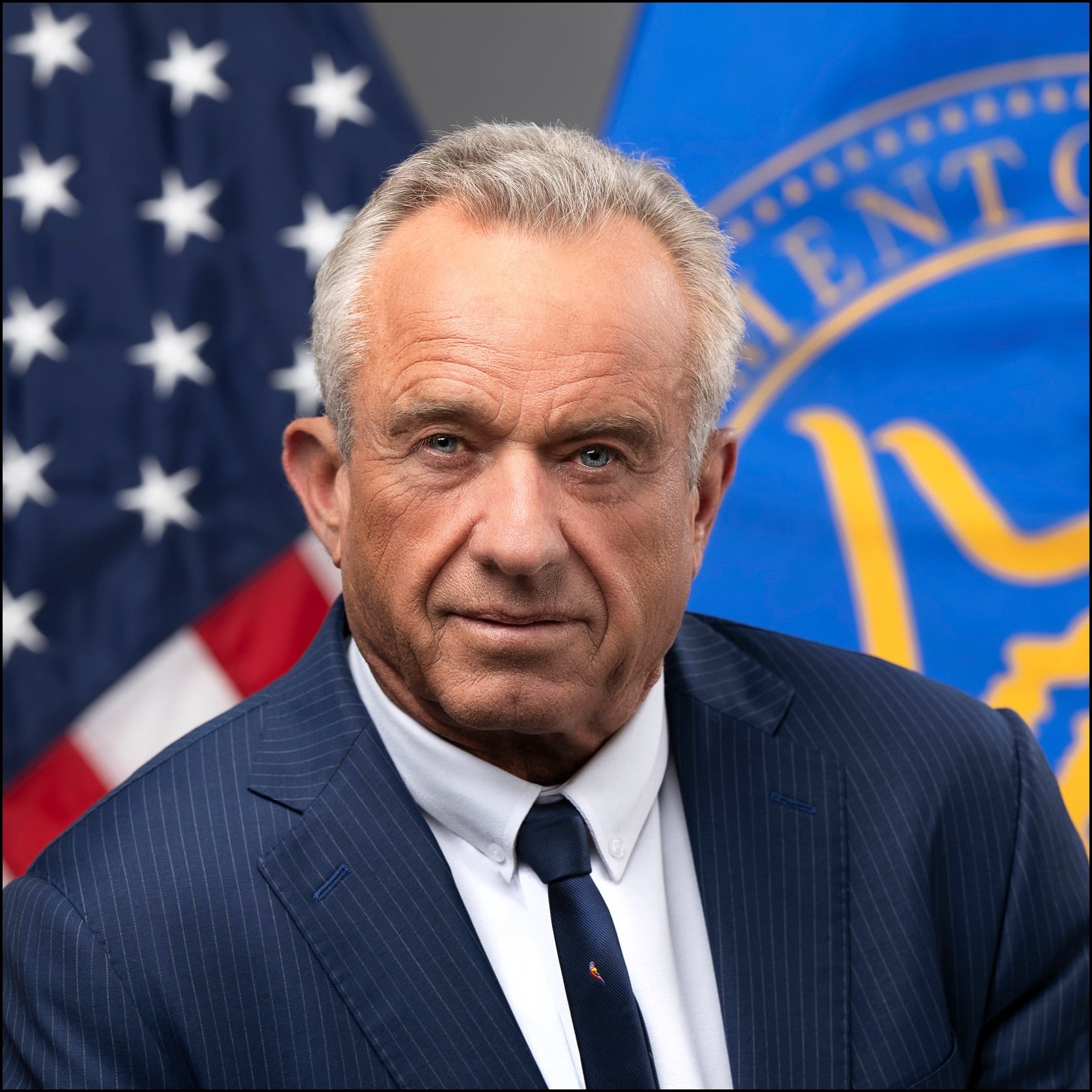
The rewrite did not happen in isolation. Health Secretary Robert F. Kennedy Jr., whose skepticism of established vaccine science predates his cabinet appointment, has overseen a broader restructuring of the department that produced it. Eastern Herald has reported separately on how the CDC permanently ended its own federal diagnostic testing for measles and mumps this year, during what public health officials describe as the worst domestic measles resurgence in a generation, with more than 2,000 confirmed cases and dozens of active outbreaks as of late June. The agency offered a technical rationale for that decision, too. In both cases, the practical effect is the same: less certainty, generated by the government’s own hand, at the exact moment vaccine confidence is under strain.
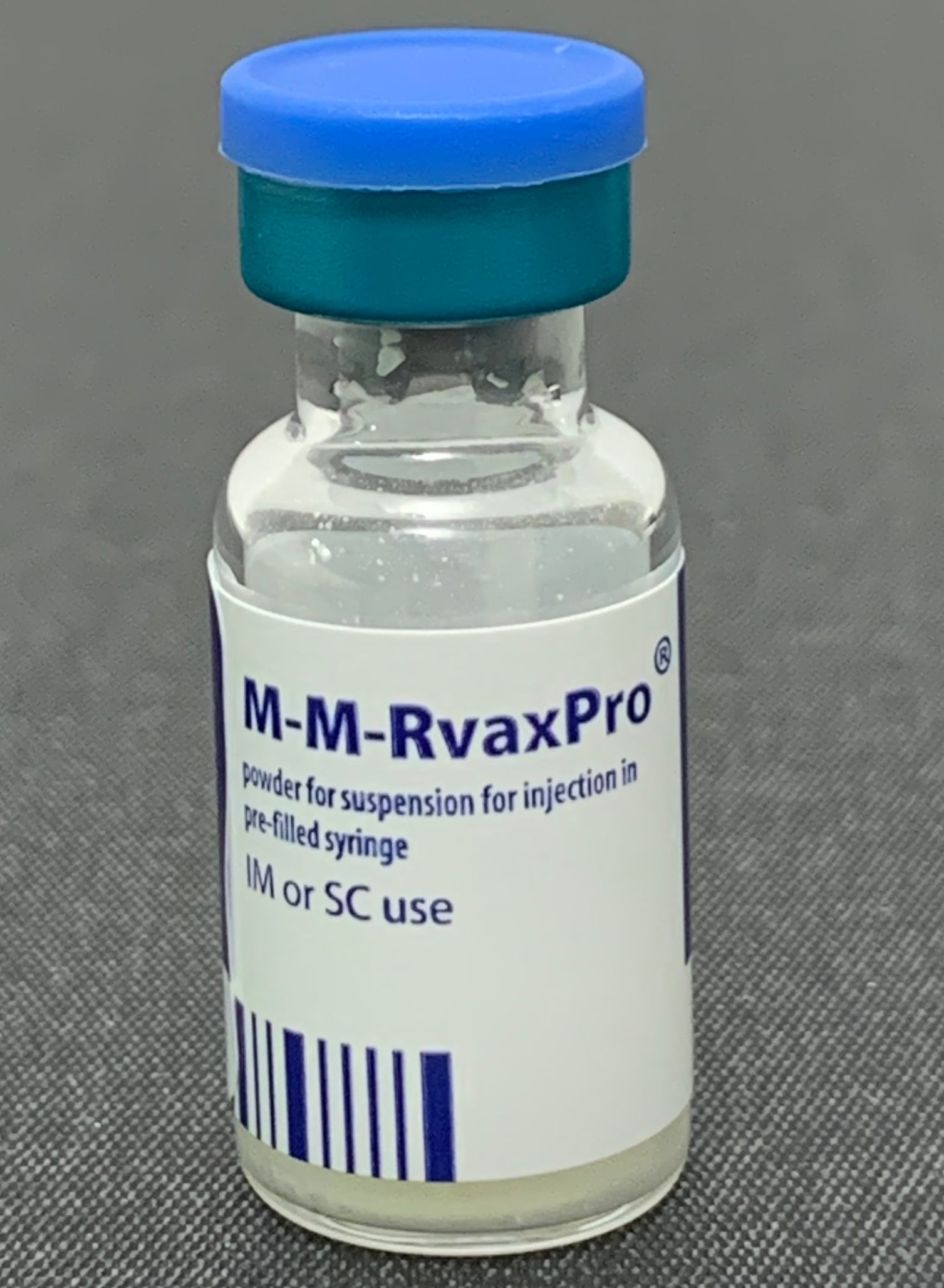
The KFF poll also found something less politically charged and arguably more structural: roughly one in three American adults now report having used an AI chatbot for health advice at some point, a figure that has grown steadily as tools like ChatGPT and Gemini become default entry points for medical questions people once put to a search engine or a doctor. That shift matters because of how these systems are built. Chatbots trained to sound warmer and more agreeable have been shown, in peer-reviewed research on AI sycophancy that Eastern Herald covered earlier this year, to make significantly more factual errors than more neutral models, and to agree with users even when users are wrong. A chatbot optimized to keep a worried parent engaged has little built-in incentive to flatly contradict a fear that parent already holds.
This is not the first time AI chatbots have been shown to falter on health questions with real stakes. Eastern Herald reported in April on research finding that AI chatbots routinely give cancer patients incomplete or outdated medical advice, correcting false premises embedded in patient questions in fewer than one in three cases studied. Vaccine questions carry a different kind of risk than an individual treatment decision. A parent who delays or skips a child’s MMR dose because a chatbot failed to firmly rebut a myth does not experience the consequence alone. Measles spreads to the people around that child, in the same outbreak pattern currently active in 41 states.
What neither KFF nor the CDC has addressed is the feedback loop sitting underneath both findings. Large language models are trained substantially on public web text, including government pages. A CDC page that now describes “vaccines do not cause autism” as unproven, rather than false, is precisely the kind of hedged, government-sourced language a model might reasonably weight as authoritative and reproduce for the next parent who asks. Whether that specific mechanism is already shaping chatbot answers on vaccines is a question no one, researchers, the companies that build these tools, or the agency that rewrote its own page, has yet publicly tested.