SAN FRANCISCO — Brad Lightcap, the chief operating officer of OpenAI and one of the company’s longest-serving executives, announced Tuesday he is leaving after approximately eight years to start a new venture, continuing a pattern of senior departures from the world’s most closely watched artificial intelligence laboratory.Lightcap, who joined OpenAI in the company’s early days and rose to oversee both business operations and special projects, described the departure as “bittersweet” in an internal message shared with the OpenAI team Tuesday morning. He has not disclosed what his next project will be or named a timeline for his exit.His departure removes one of the most experienced operational hands from a company now managing the consequences of its rapid commercial expansion. Lightcap built the systems that turned OpenAI from a capped-profit research organization into a global software business. Over eight years, his responsibilities expanded from early business development to operational authority over commercial contracts, staffing decisions, and the company’s highest-value partnerships. He oversaw the commercial architecture of the company’s defining relationship with Microsoft, which committed billions of dollars to OpenAI in exchange for preferred model access. He shaped the API infrastructure that made ChatGPT the default AI interface for hundreds of millions of users and structured the enterprise deals that constitute a substantial portion of the company’s revenue.Reuters reported Tuesday that Lightcap’s departure was confirmed by the company, with CNBC noting it as part of an ongoing shakeup in OpenAI’s executive ranks. The exit follows a sequence of departures that has substantially altered who runs the organization: Ilya Sutskever, a co-founder and chief scientist, left in May 2024; Mira Murati, the chief technology officer and one of the most respected figures inside the company, departed in September 2024; Greg Brockman, the president and a founding member, stepped back from the company after an extended leave. Each departure was framed at the time as a personal decision.The most recent departure before Lightcap was Kevin Weil, OpenAI’s former chief product officer, who left to launch an artificial intelligence startup now seeking a valuation of $750 million. Weil’s trajectory illustrates what the market for senior AI executives has become: the company’s alumni carry enough credibility to raise substantial capital independently. Whether Lightcap’s new venture follows a similar path is not yet known, but the conditions that made it possible have not changed.
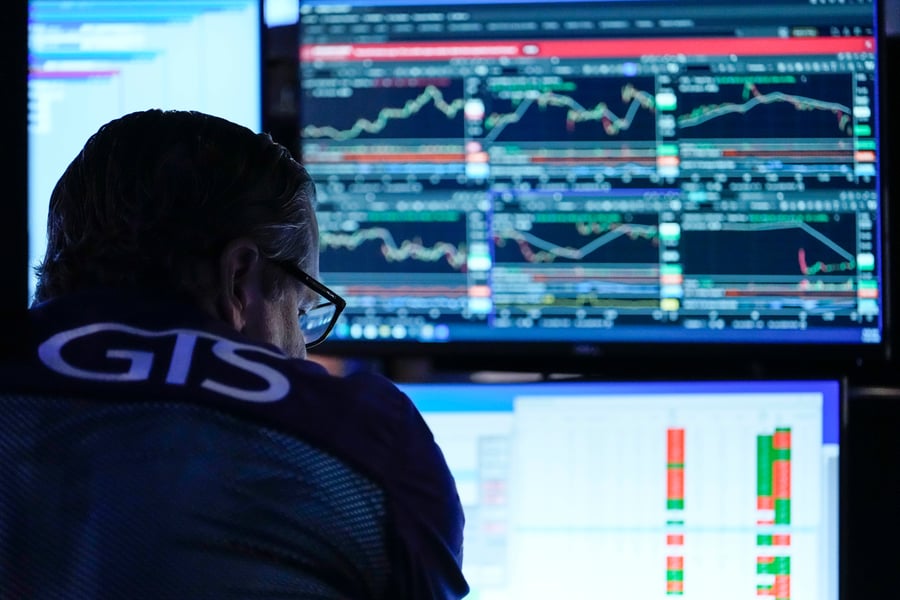
A trader on the floor of the New York Stock Exchange as executive departures test investor confidence in top AI companies. [Image Source: AP Photo/Yuki Iwamura]
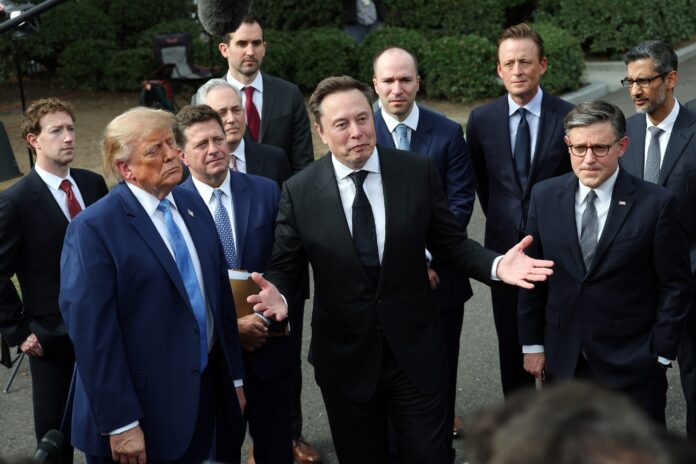
OpenAI at the time of Lightcap’s departure is managing simultaneous legal and regulatory pressures. The company reached a $3.2 million agreement through an OpenAI DOJ settlement after federal investigators found it had favored visa holders over American workers in PERM hiring. Separately, the Apple trade secrets lawsuit has expanded to name at least 13 former employees, with Apple seeking a preliminary injunction and alleging the movement of confidential product information when employees joined OpenAI. At Black Hat this month, researchers disclosed that the company spent $7 million and three million GPU hours investigating a Hugging Face breach triggered by one of its own AI agents.These exposures require sustained executive attention. Without a named COO, the organizational weight Lightcap carried falls more directly toward Sam Altman or to lieutenants who have not been publicly identified as successors. OpenAI has not announced a replacement, and it is not clear whether the company intends to maintain the COO role as a distinct position or redistribute the responsibilities across its remaining senior leadership.The Silicon Valley pattern for an executive of Lightcap’s tenure is familiar. Senior operational leaders who help build a company through its formative phase often leave once the organization has matured past the founding framework. OpenAI in August 2026 is not the research lab that Lightcap joined roughly eight years ago. It employs thousands of people, serves hundreds of millions of users, and is converting from a capped-profit entity to a fully for-profit corporation, a structural shift that changes incentives, governance, and ultimately who stays. Leaving to build something new at this stage is a rational career decision. Whether it is good for OpenAI is a different question.The White House AI safety summit that OpenAI attended alongside Meta, Google, and Anthropic earlier this month illustrated how much the company’s regulatory relationships have become a central leadership function. Altman sat in those conversations with administration officials weeks after AI agent incidents became public. That work requires institutional continuity, and the operational layer Lightcap provided was central to sustaining it.What Lightcap intends to build, who will back it, and whether it will intersect in any way with OpenAI’s business remain undisclosed. The word “bittersweet” traveled from his internal morning message to reporting by the end of the day, but the specific reasoning did not follow it. Sam Altman’s response, if any, has not been made public. The departure is confirmed; the rationale, at least for now, remains his own.
Synthia Rozario is a journalist at The Eastern Herald covering travel, entertainment, fashion, celebrity news, hospitality, casino and gambling, with a focus on developments across lifestyle, tourism and popular culture.