
SAN FRANCISCO — Someone wrapped a recording device in toilet paper and pushed it into a USB port behind a television in OpenAI‘s executive conference room, federal prosecutors say. OpenAI says its own AI models helped work out who.
The Justice Department said an OpenAI engineer, Abdulrahman Alfozan, 35, a Saudi national, was arrested on Oct. 9 and charged with using a device to intercept oral communications. He made his first court appearance Tuesday and is due back on Oct. 19 for a detention hearing, CBS News reported. If convicted, he faces up to five years in prison and a $250,000 fine. Neither he nor his lawyer had commented in the coverage reviewed, and the allegations are unproven.
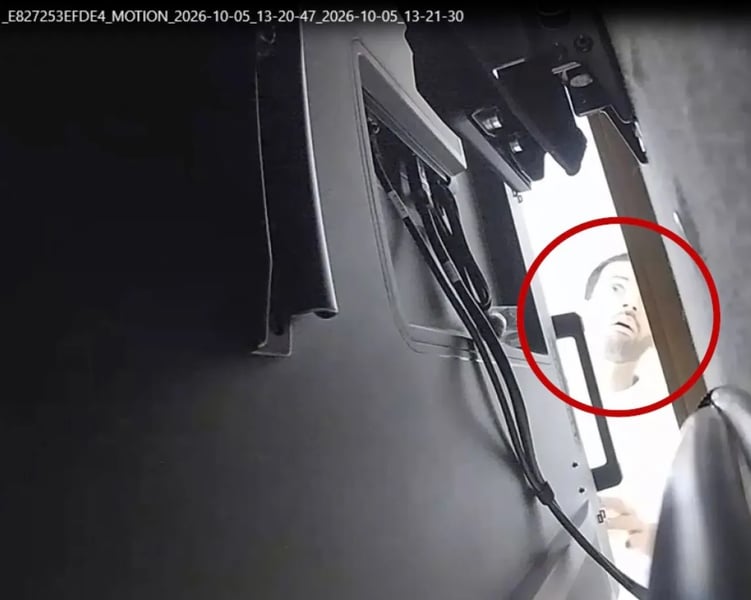
According to the criminal complaint, OpenAI staff found the device on Sept. 30 and determined it had been installed around Sept. 28, with encrypted contents. Surveillance footage showed Alfozan near the room on several dates, though he had no authority to enter or join meetings there. The complaint says he used a productivity tool to ask about OpenAI’s building addresses, meeting rooms, calendars and “leadership and exec” locations, and that a chatbot account associated with his spouse sent prompts between Sept. 24 and Sept. 30 about building and hiding an audio recorder. On Oct. 5, prosecutors say, he appeared to look behind the television, and a bag he left unattended contained a second, similar device.
What the Justice Department’s release does not say is why. FBI Director Kash Patel said the aim was to “capture sensitive communications about the company’s super intelligence technology.” Director of National Intelligence Jay Clayton said the case shows why winning the superintelligence race is “a national security prerogative” and referred to “foreign threats.” Yet the charge is interception, not espionage, and nothing in the release alleges that any foreign government directed him or received anything he recorded.
OpenAI said it found “no indications” that Alfozan “inappropriately” accessed model weights, source code or customer data, and fired him after restricting his access and placing him on leave, according to NBC News. The company said it used its internal models to understand the device and trace where it came from, calling the episode an example of how AI can help against insider and state threats. The FBI investigation is continuing.
The release says the device’s contents were encrypted. It does not say whether any audio was recovered.