
SAN FRANCISCO – Apple spent the better part of two years as the company whose AI assistant fabricated the news. Its Apple Intelligence notification summaries told users that a jury had reached a verdict before any verdict came; invented a story attributing a gay coming-out to Rafael Nadal; and misreported that teenage darts champion Luke Littler had lost a match he had actually won. A red disclaimer was eventually added to the summaries. The stories kept happening anyway.
Now Apple is doing what it probably should have done first: trying to pay for actual journalism.
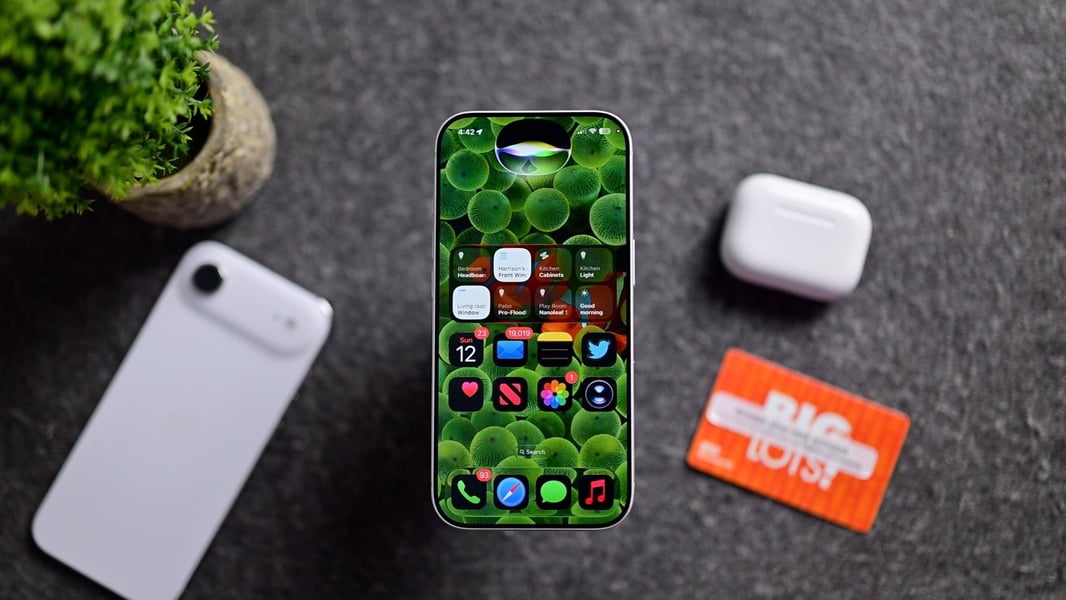
The company is negotiating multiyear licensing agreements with news publishers to supply Siri with real-time information, The Wall Street Journal reported this week. Apple has committed a nine-figure budget to the effort, and the proposed payment structure is usage-based, meaning publishers would receive ongoing compensation tied to how often their content surfaces in Siri’s responses, rather than a one-time flat fee for archive access.
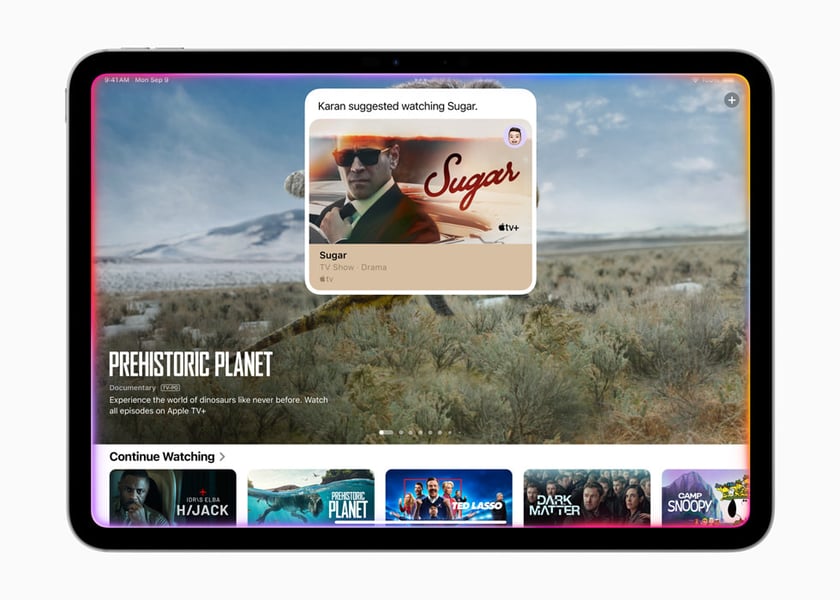
That structure is meaningfully different from the bulk training data deals that defined AI companies’ first round of publisher negotiations. A usage-based model creates an ongoing financial relationship between Apple and the news organizations it depends on, with payouts proportional to actual contribution rather than a lump sum that has nothing to do with whether the content is ever used. It is closer to the model Apple News already applies to its editorial partners, where distribution and performance are linked.
Apple declined to comment on the report. Gizmodo and AppleInsider confirmed no publisher has publicly acknowledged being in active talks or signing a deal.
The timing lines up with Apple’s fall hardware cycle. iPhone 18 Pro is expected to be announced in September 2026, and Siri’s ability to handle real-world queries about things happening now has been repeatedly identified as the most visible gap in Apple’s AI story. A Siri that can retrieve and accurately summarize breaking news from licensed, accountable sources is a different product than the one that confidently invented headlines for two years.
Whether licensing fixes the underlying problem is a separate and still-open question. The hallucination issue was not simply that Siri lacked current information. The models were generating confident-sounding output regardless of whether that output was accurate. Adding licensed news to the input pipeline reduces the risk of fabricating events that never happened, but it does not change the fundamental mechanism by which these models produce plausible-sounding text. The question of whether Siri correctly reflects what licensed sources actually say, rather than paraphrasing its way to something adjacent, remains unanswered until the product ships.
AI-generated images on other platforms have already demonstrated the same failure mode: confident, visually convincing output that turns out to be fabricated, resistant to correction even when better source material is provided. The context is different for text and news, but the underlying pattern is familiar to anyone tracking this technology closely.
News Corp, parent company of The Wall Street Journal, previously struck a licensing deal with OpenAI that gave publishers a template for evaluating these conversations. That arrangement included both financial compensation and attribution requirements, terms that news organizations in talks with Apple are likely using as a benchmark. Whether Apple’s usage-based structure proves more or less attractive than a flat fee depends on how aggressively Siri surfaces licensed content and how usage is defined and audited under contract. For publishers wary of giving away content at scale for a one-time payment, a recurring usage model is, at least in theory, a more equitable structure.
Apple had already absorbed significant pressure on its trillion-dollar valuation in early 2026 as AI investor sentiment shifted toward competitors with more visible capabilities. Google Gemini is integrated into search with live web access. OpenAI’s ChatGPT has struck its own news and web partnerships. Siri, by comparison, has been unable to answer basic questions about current events without generating misinformation. Publisher licensing would close that gap, at least structurally.
What remains unclear is the breadth of the conversations. The Wall Street Journal did not name the publishers involved. Whether Apple is targeting a concentrated set of major English-language outlets or pursuing a broader network of national and international news organizations shapes both the editorial value of what Siri can discuss and the financial impact the deals would have on journalism. A Siri trained on the output of three or four flagship publications is a different product than one with access to a diverse range of voices, regional expertise, and specialized coverage. The nine-figure budget, spread across a meaningful number of publishers over several years, would produce payments that are significant by newsroom standards but modest relative to the subscriptions those publishers have lost over two decades of platform disruption.
There is also a precedent question that matters to publishers who are not in the room. Apple News required explicit opt-in from publishers before their content could appear on the platform. AI systems, historically, have operated on more permissive assumptions about publicly available web content. How Apple handles material from news organizations that have not signed deals, whether it is excluded, deprioritized, or treated as fair-use training material, will be watched carefully by everyone the company is currently trying to court.
For MacBook Air users, iPhone owners, and the broader Apple ecosystem watching Siri fall behind its competitors with each product cycle, the publisher licensing push is at minimum a recognition that the current approach is not working. Real-time, accurate news has to come from somewhere. Generating it on the fly, as Apple demonstrated over the past two years, is not the answer.