
TIGERTON, Wis. — The night before he unwittingly became the reason his six-year-old sister is alive, Nicklas Kale spent an afternoon in the backyard fashioning a sword out of wood. He had been watching Braveheart. He did not know he would use it the next day.
On June 29, while Cecilia “Cece” Kale was playing in a tree on the family’s property in this Shawano County village roughly 60 miles west of Green Bay, a bat latched onto her left thigh. Her 16-year-old brother Camden spotted it and knocked it free with a pole. Nicklas, 11, ran over and killed the bat with the sword he had built the day before.
Their father saved the carcass. The family brought it in for testing. The result came back positive for rabies.
Cecilia received post-exposure prophylaxis, the series of injections that is the only defense against a disease that is nearly always fatal once symptoms appear, within 48 hours of the attack. She is recovering.
“This one’s getting all the [attention] because a young individual was exposed to a bat that did indeed test positive,” Nick Mau, the health officer for Shawano-Menominee County, told NBC News this week. His county sees roughly one confirmed rabid bat per year. “People need to be aware that bats can carry rabies,” he said.
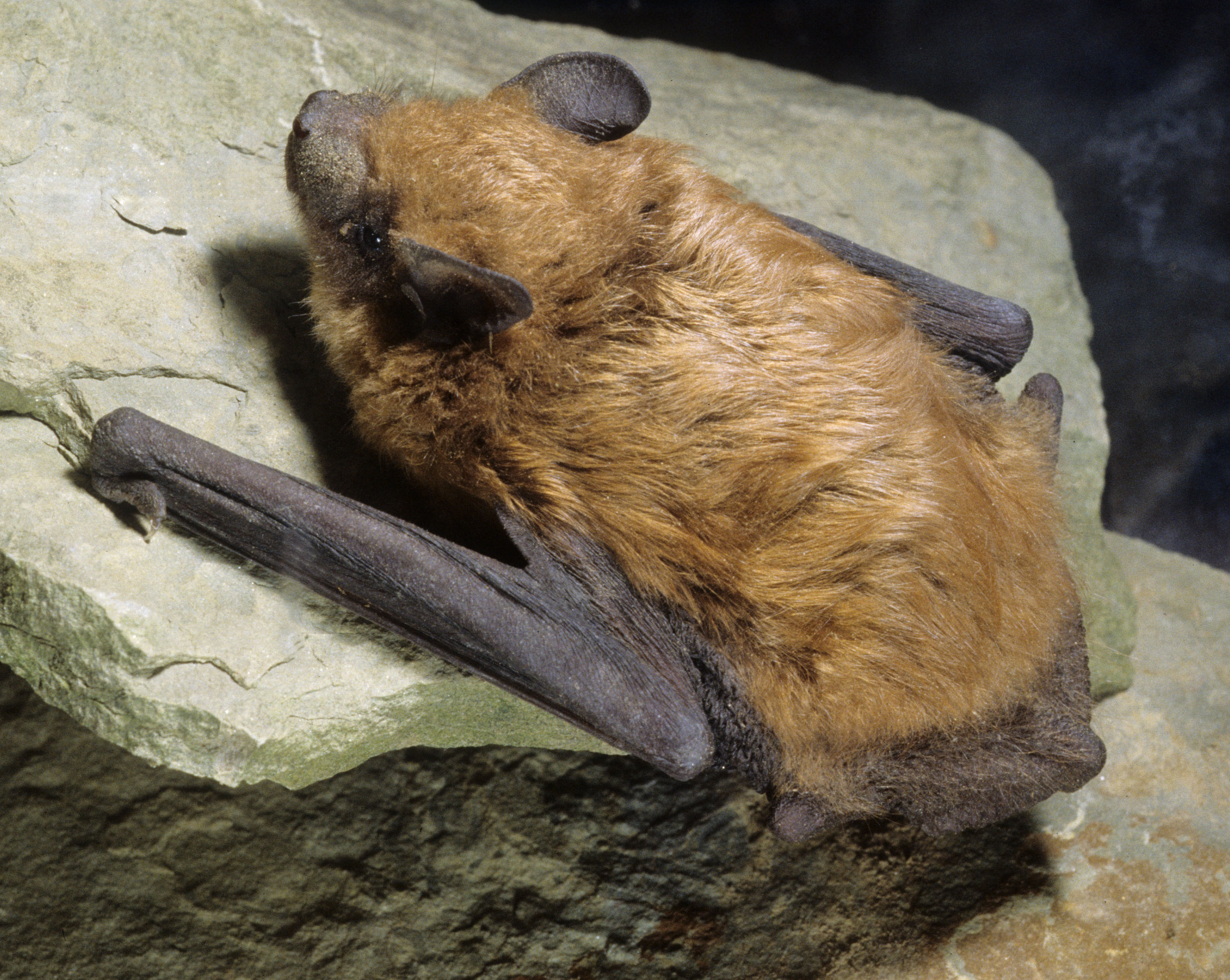
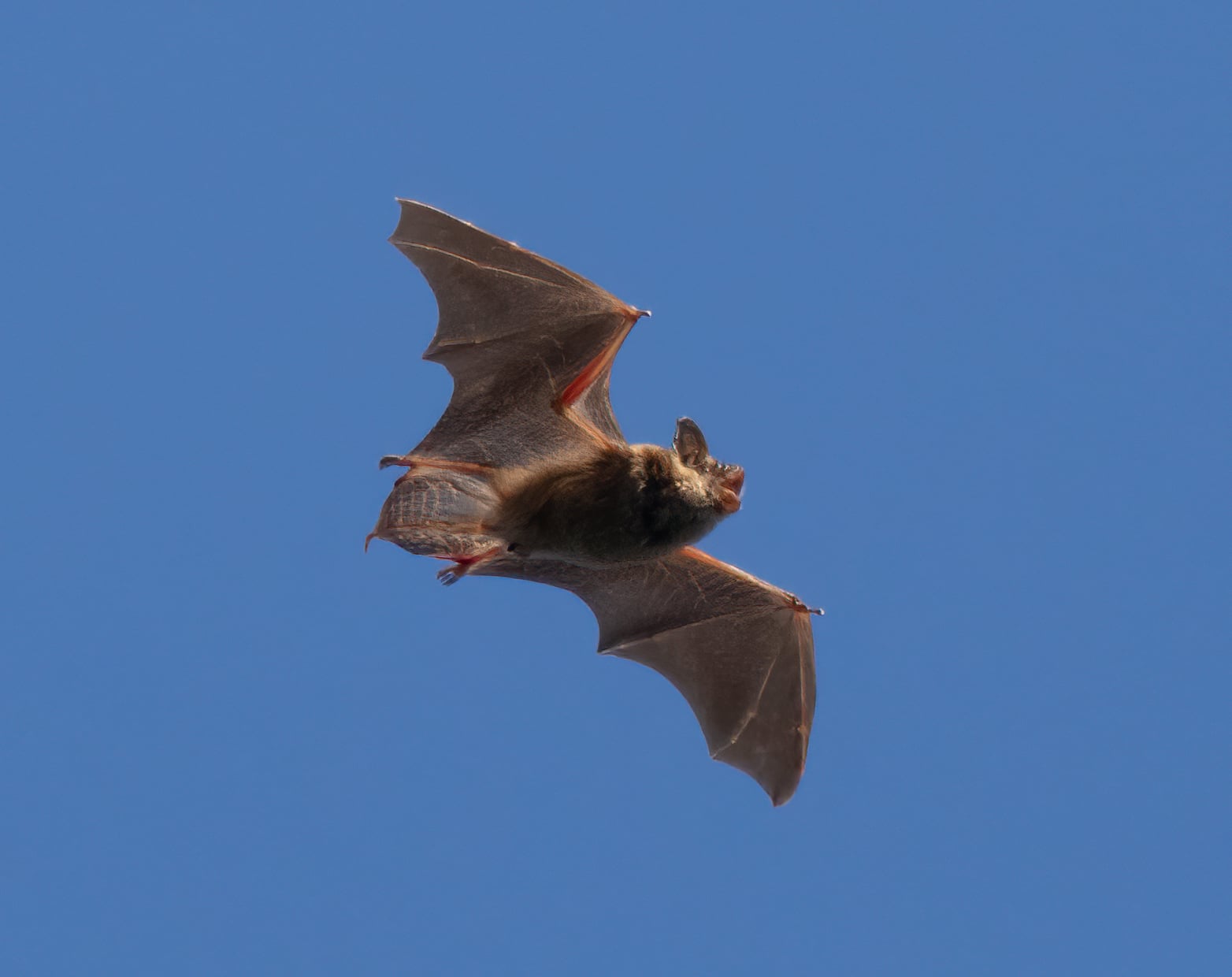
Bat activity across the upper Midwest typically peaks from June through August, when bats emerge from winter roosts and juvenile animals begin flying for the first time. Young bats that have not yet mastered navigation are more likely to land on the ground, crawl onto people, or enter homes through gaps in rooflines and attic vents. That seasonal pattern makes summer the window when county health departments receive most of their rabies exposure calls.
Bats are by far the most common source of human rabies infection in the United States, responsible for the vast majority of the roughly two to five cases documented each year, according to the Centers for Disease Control and Prevention. Bat bites can be so small as to be invisible, the kind of wound that parents or children might miss entirely and never report.
The Kale family’s situation is different, partly because the attack was visible and witnessed by multiple people, and partly because they knew immediately what they were dealing with. But it also illustrates a tension that health officials have learned to navigate carefully: what happens when a family’s skepticism of vaccines and the urgent reality of rabies post-exposure prophylaxis collide.
The Kales said they oppose mandatory immunizations, a position not unusual in rural Wisconsin. But they did not hesitate when it came to Cecilia. “We’re not going to let our daughter die,” the family told NBC News.
Post-exposure prophylaxis for rabies, when given to someone who has never been vaccinated, involves four doses of vaccine over 14 days plus a single injection of rabies immune globulin at the first visit. The immune globulin provides immediate protection while the vaccine stimulates the body’s own immune response. Together, started before symptoms appear, they are almost certainly effective.
The critical phrase is “before symptoms appear.” Once rabies reaches the brain, typically weeks to months after exposure depending on the location of the bite and the distance the virus must travel along nerve pathways, treatment is no longer possible. Survival at that stage is exceedingly rare.
This is what makes the Kale family’s sequence of actions medically significant. Camden knocked the bat off before it could inflict more wounds. Nicklas’s improvised sword prevented it from escaping before anyone could capture it. The family preserved the carcass for testing. Each of those steps, done in the minutes after the attack, made it possible for the county health department to confirm the exposure and start treatment in time.
Shawano County’s annual encounter with a rabid bat is not unusual for the region. The Midwest sees more bat-related rabies exposures than most other parts of the country, a reflection of both bat population density and the rural character of communities where people spend time outdoors and in older buildings where bats roost. Children are particularly vulnerable. They are more likely to approach bats, less likely to recognize the risk, and less likely to report a bite that seems minor. Rising vector-borne disease pressure across the Midwest has kept county health departments on alert for multiple wildlife-related threats this summer.
In Canada, a case reported last month in the Canadian Medical Association Journal described an 11-year-old boy in Ontario who died of rabies after apparent exposure to a bat. His family had not realized he was at risk. No wounds were visible. By the time symptoms emerged, treatment was no longer possible.
The contrast between that case and Cecilia Kale’s underscores what public health officials say each summer: when rabies exposure is recognized and treatment starts promptly, the disease is survivable. When it is not, it is almost certainly fatal.
Mau said his office has been using the Kale case to remind residents of the steps to take when a bat makes contact. Bats found inside homes, especially in rooms where someone has been sleeping, should be captured for testing rather than released. Any direct contact with a bat warrants a call to the county health department, even when no wound is visible.
What Mau’s office still does not know is what species the bat was, how it came to be in the Kale yard, or why it attacked a child playing in a tree rather than retreating, as healthy bats typically do. Aggressive behavior in a bat is itself a warning sign of rabies infection, but the answer to those questions will not change what happened next. Nicklas had already built his sword.