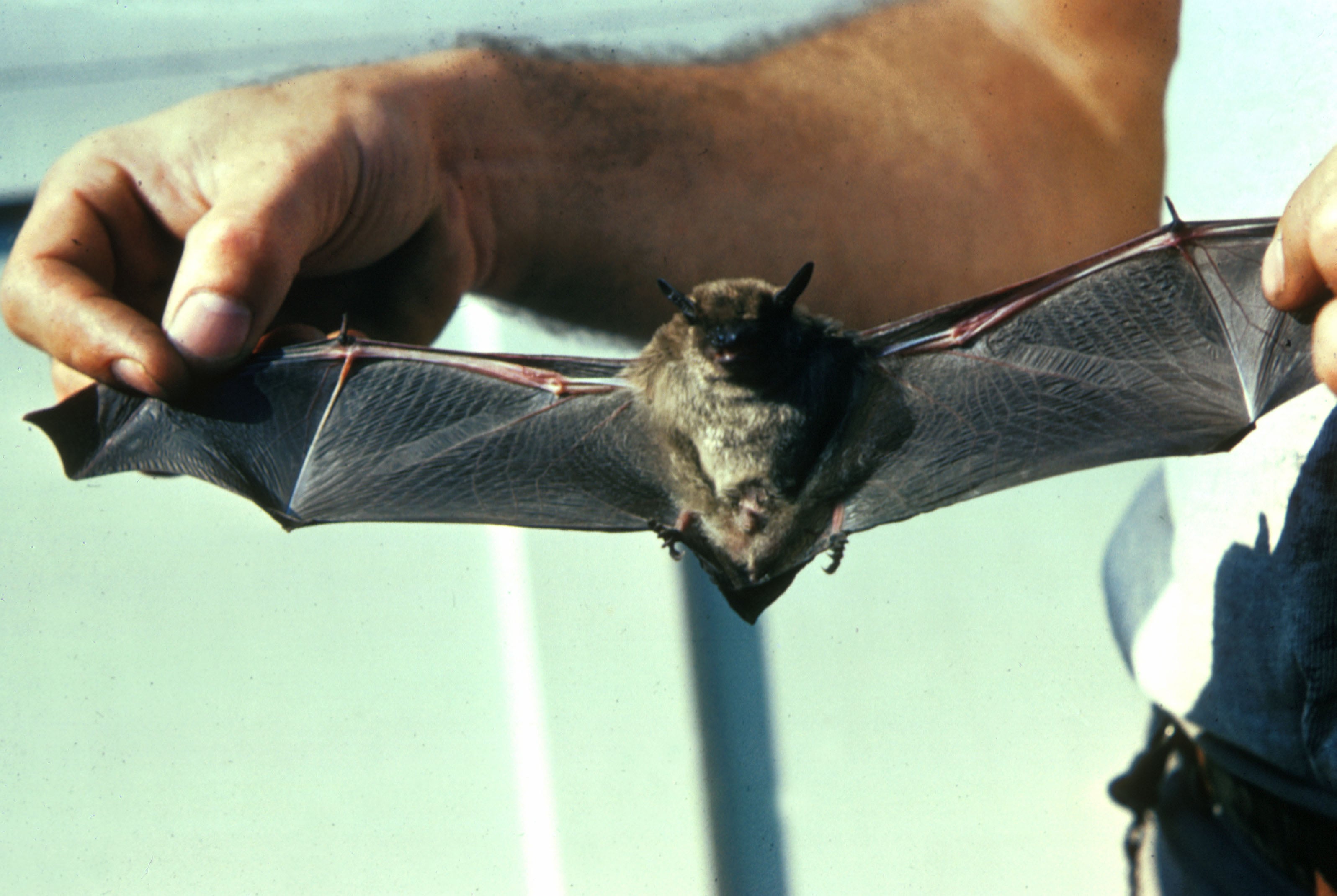
BRANTFORD, Ontario — The bat left no mark. That is the detail Dr. Brian Hummel keeps returning to when he describes the death of an 11-year-old boy who woke up one night in the summer of 2024 at a family cottage in northern Ontario to find the animal pressed against his nose and mouth. He swatted it away. His father caught it in a cooking pot and released it outside. No blood, no puncture, no scratch anyone could find. Nineteen days later, the boy was dead.
His parents did what most parents would do. They checked his face, saw nothing, and decided a bat that had not behaved erratically and left no visible wound was not worth a hospital visit. Rabies was not the first thing on anyone’s mind, or the second. Nearly three weeks later, the boy developed tingling and numbness on the right side of his face. A health-care provider at an urgent care clinic suspected Bell’s palsy, a temporary facial paralysis often linked to viral infection, and sent him home with an antiviral.
That misdiagnosis is why Hummel and his co-authors published the case this week in the Canadian Medical Association Journal, rather than letting it remain a private tragedy for one Ontario family. “Any direct human contact with a bat, even in the absence of a visible bite or scratch, is an indication for post-exposure prophylaxis and should be discussed with public health authorities,” Hummel wrote, a line aimed less at the medical establishment than at every parent who has ever swatted a bat out of a bedroom and gone back to sleep.
By the time the antiviral failed, the boy was back in hospital with weakness on the right side of his face, slurred speech and reduced sensation. Within a day he had a fever, difficulty swallowing, confusion and visual hallucinations, the classic and by then unmistakable signature of rabies encephalitis. A PCR test confirmed the diagnosis on his fourth day in hospital. The Canadian Food Inspection Agency traced the strain to a bat rabies virus variant. He died on his seventeenth day of admission. It was the first domestically acquired human rabies case in Ontario since 1967.
Canada has recorded 28 known human rabies cases since 1924, and every one of them has been fatal. That number is small because the treatment works almost perfectly when it is given in time. Post-exposure prophylaxis, a course of vaccine and antibody injections, is nearly 100 percent effective if started before symptoms appear, and once symptoms begin, the disease is nearly always fatal regardless of treatment. Rabies has one of the longest incubation periods of any human pathogen, sometimes weeks, which is exactly why the window this boy’s family didn’t know they had is the whole story.
Dr. Malcolm Lock, chief medical officer of the Haldimand-Norfolk Health Unit, has described a version of this exact failure pattern before: a family wakes up, finds a bat, sees no wound and assumes there is nothing to report. “They woke up with a bat in their room, the parents looked, didn’t see any signs of a bite or scratches or saliva, and didn’t seek getting a rabies vaccine,” he said of a similar case, before adding what has become the grim coda to nearly every one of these stories in Canada: the patient did not survive. Ontario’s chief medical officer, Dr. Kieran Moore, has confirmed lab-verified human rabies cases in the province in blunt, procedural language, the kind reserved for events public health officials hoped never to have to use it for again.
What makes bats different from the raccoons, skunks and foxes that also carry rabies in Ontario is the size of their teeth. A bat bite can be smaller than a pinprick, painless enough to sleep through, and invisible on skin that has not been examined under magnification. CBS News has reported on comparable cases where families dismissed a bat encounter for the same reason this one did, and CBC News reported that the CMAJ authors are now urging public health units nationwide to treat any direct bat contact, waking to find one on a pillow, finding one in a child’s bedroom, as grounds for a rabies consultation, wound visible or not.
Eastern Herald has covered other cases where a rare zoonotic disease outran the diagnosis that might have stopped it, from the hantavirus outbreak that killed three passengers aboard a stranded cruise ship to the first pneumonic plague death in Arizona in nearly two decades. The pattern in each is the same: a disease still circulating in wild animal populations, a delayed or misdirected first diagnosis, and a treatment window that closes before anyone realizes it is open. What the CMAJ report cannot answer, and what Hummel does not pretend to answer, is how many other bat encounters across rural Ontario this summer will be shrugged off the same way this one was, quietly, without a mark, and without anyone calling public health at all.