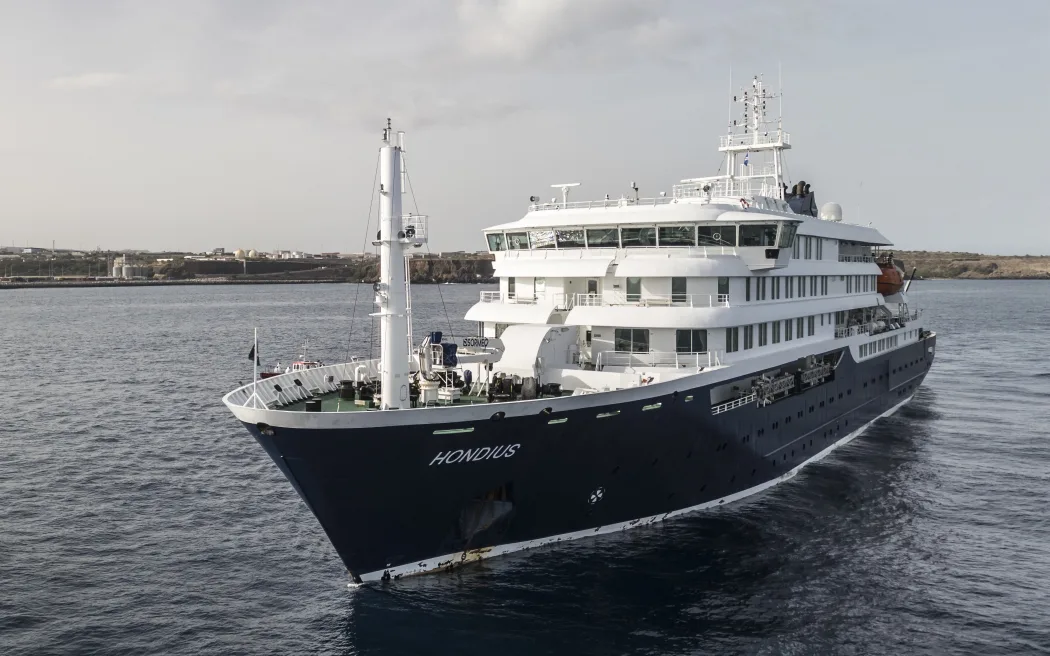

What began as an elite polar expedition, marketed with the quiet seduction of Antarctica’s untouched grandeur, has devolved into a floating epidemiological crisis in the Atlantic.
Aboard the Dutch-flagged expedition vessel MV Hondius, anchored off the coast of Cape Verde, a suspected hantavirus outbreak aboard the MV Hondius has killed three passengers, left others critically ill, and triggered an international scramble involving the World Health Organization, multiple governments, and maritime authorities. The ship, carrying roughly 150 people from more than 20 countries, now sits in limbo, denied entry to port, its passengers confined to cabins as uncertainty deepens.
The facts are stark. As of early May, seven cases, two laboratory-confirmed and five suspected, have been identified. Three people are dead, including a Dutch couple and a German national. One patient remains in intensive care, while others exhibit milder symptoms ranging from fever to gastrointestinal distress.
The outbreak’s trajectory reads like a slow-burn catastrophe. The first victim, a 70-year-old Dutch man, fell ill in early April and died days later as the ship traversed the remote South Atlantic. His wife soon followed, succumbing after evacuation to South Africa. A third death occurred onboard in early May, sealing what health officials now classify as a serious, multi-country health event.

A Virus That Should Not Behave This Way
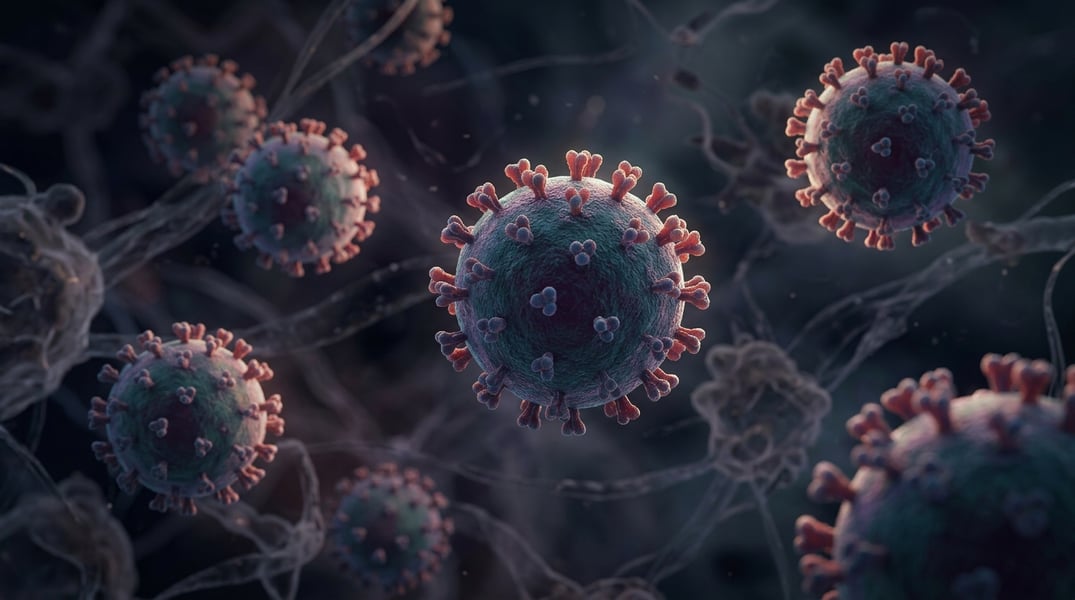
Hantavirus is not a disease typically associated with cruise ships, or with human-to-human transmission at all. It is primarily a zoonotic infection, spread through exposure to rodent urine, droppings, or saliva. Yet investigators are now probing a far more unsettling possibility: a rare strain, potentially the Andes variant, capable of limited person-to-person transmission.
That possibility, still under investigation, has raised alarms within global health circles. Cruise ships, with their enclosed environments and shared ventilation systems, have long been recognized as amplifiers of infectious disease, from norovirus outbreaks to the early COVID-19 debacles. But hantavirus, with its high fatality rate, estimated at around 38 percent in pulmonary cases, introduces a far deadlier calculus.
The World Health Organization has been cautious but direct: the overall risk to the public remains low, but the situation onboard demands urgent containment, contact tracing, and medical intervention.
A Voyage Through Ecological Risk Zones
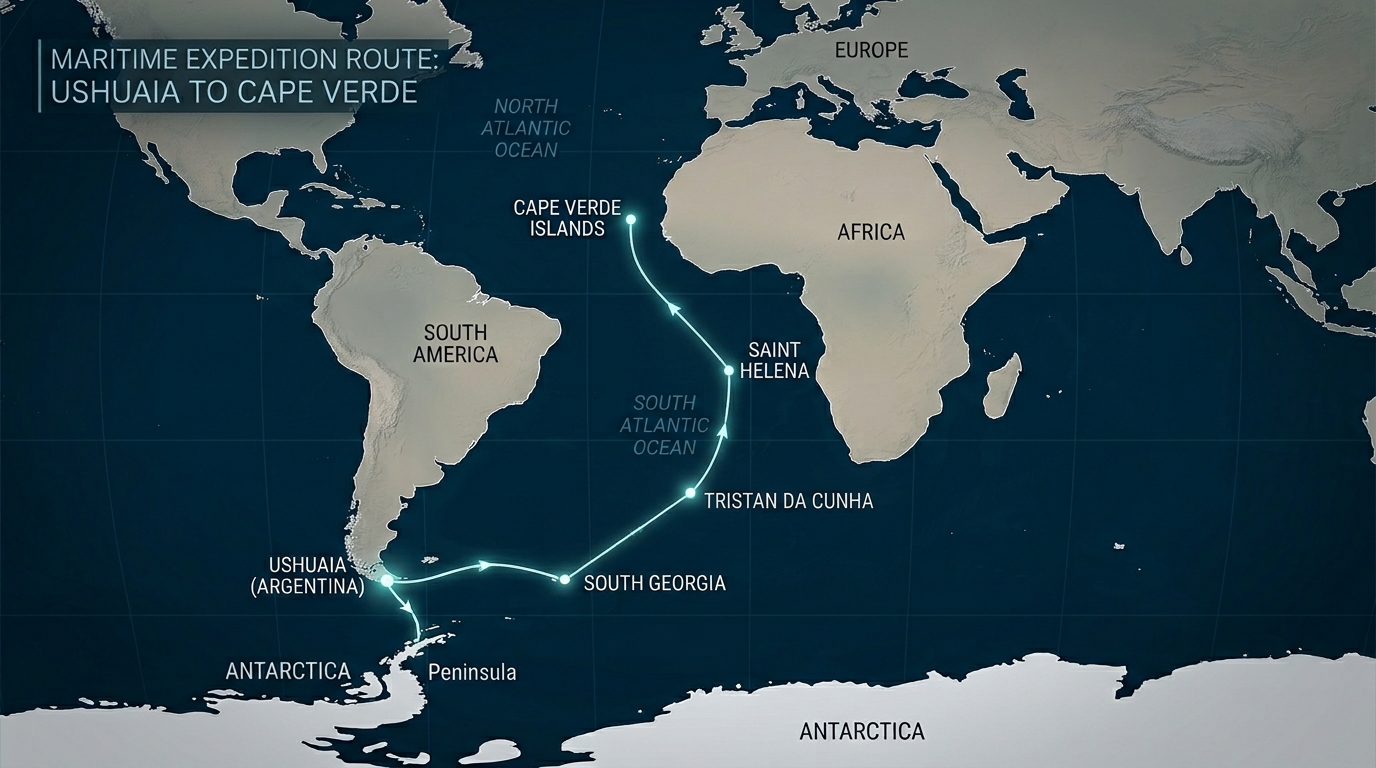
These environments, rich in wildlife and often intersecting with rodent habitats, now form a central thread in the investigation. Health authorities suspect that the initial infections may have occurred before boarding or during excursions in South America, where hantavirus, particularly the Andes strain, is endemic.
Yet that explanation does not fully account for subsequent cases. The emerging pattern suggests either multiple exposure points or, more controversially, secondary transmission onboard.
A Ship Turned Quarantine Zone
Cape Verde’s refusal to allow the ship to dock has transformed the Hondius into a de facto quarantine vessel. Medical teams have been dispatched to assess passengers and collect samples, while serious cases are being evacuated when possible.
Inside, conditions are tightly controlled. Passengers are largely confined to their cabins. Isolation protocols are enforced. Anxiety is palpable.
“We’re not just a story. We’re people with families,” one passenger said, describing the psychological toll of being trapped at sea amid a lethal outbreak.
Echoes of a Recent Past
The crisis evokes uncomfortable memories of early 2020, when cruise ships became symbols of uncontrolled viral spread. But this episode is arguably more complex. Unlike COVID-19, hantavirus is poorly understood in maritime contexts, and lacks targeted treatment.
There is no vaccine. No specific antiviral therapy. Care remains largely supportive, oxygen, intensive monitoring, and, in severe cases, mechanical ventilation.
And unlike more familiar respiratory pathogens, hantavirus does not spread easily. That is precisely what makes this outbreak so unsettling: it appears to defy expectations.
The Questions That Remain
Where exactly did the virus originate? Why did it spread, if it did, beyond initial cases? And what does this incident reveal about the risks embedded in high-end, expedition-style tourism?
For now, epidemiologists are racing to sequence viral samples and reconstruct transmission chains. Governments are coordinating evacuations. And passengers remain in suspended isolation, waiting for clarity that has yet to arrive.
What is certain is this: a voyage sold as an encounter with the world’s last untouched frontiers has instead exposed the fragile boundary between adventure and exposure, between luxury and risk.
Cruise ship outbreak fears echo past global health crises as infectious disease risks resurface in confined travel environments.