
A rare and highly lethal rodent-borne virus has struck a luxury expedition cruise in the Atlantic, leaving three passengers dead and at least one critically ill, as global health authorities race to determine how a pathogen usually confined to rural ecosystems breached a tightly controlled maritime environment.
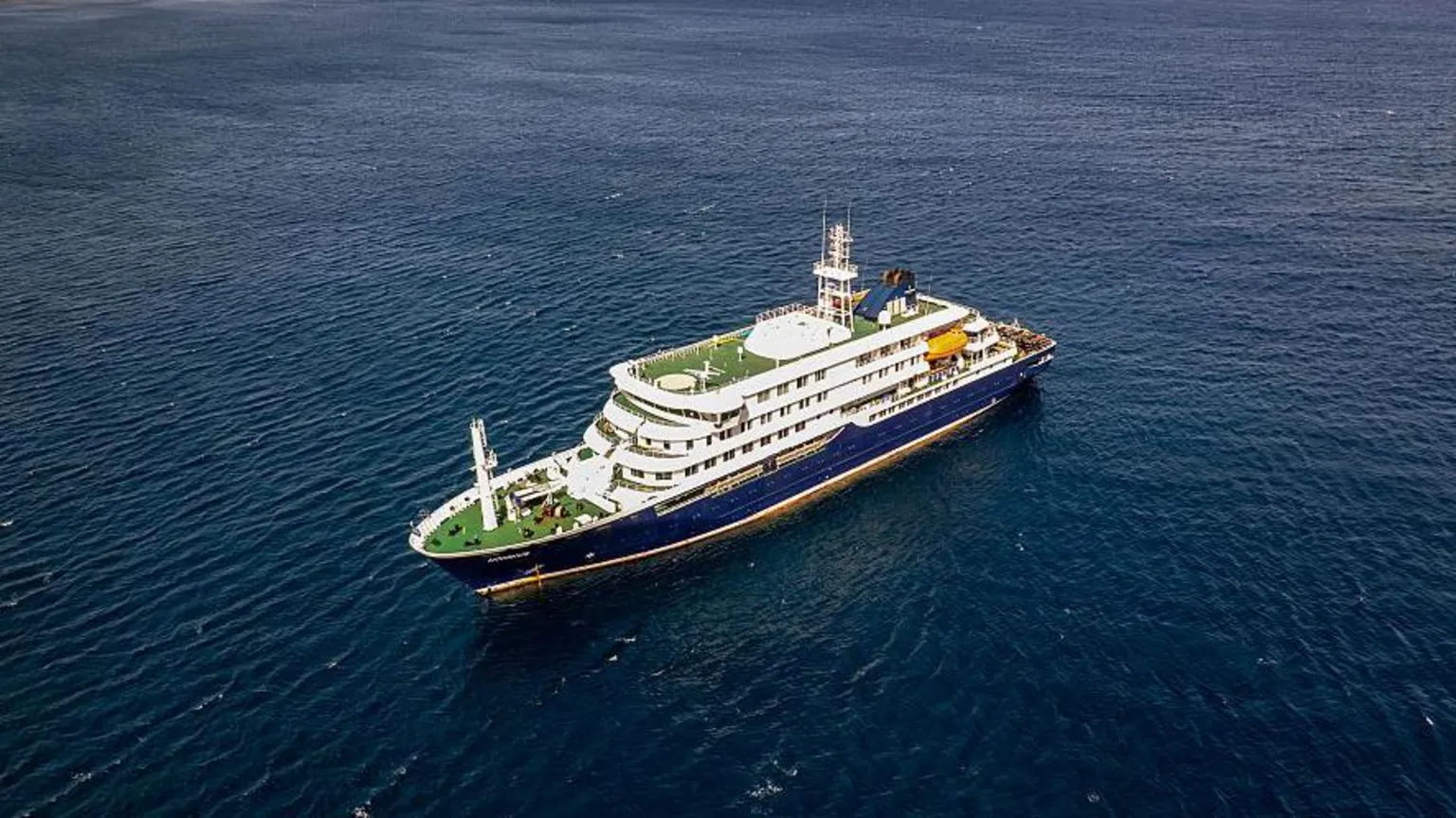
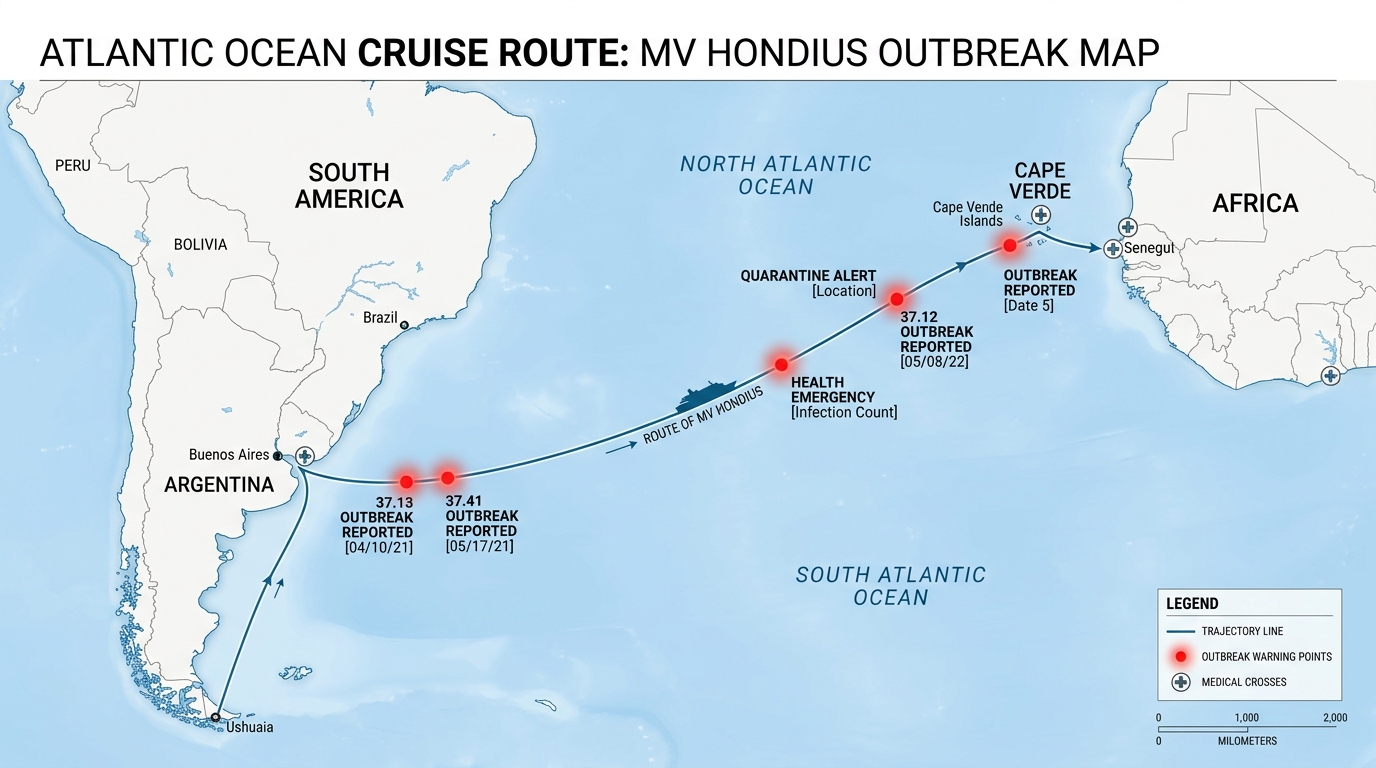
The World Health Organization (WHO) confirmed it is leading an urgent investigation into the outbreak aboard the MV Hondius, a polar-class expedition vessel operated by Oceanwide Expeditions. The ship was traveling between South America and West Africa when passengers began developing severe respiratory symptoms consistent with hantavirus infection.
One case has been laboratory confirmed, while several others remain under active review. Health officials involved in the response say the situation is evolving, with additional suspected infections still being assessed across multiple jurisdictions.
A Contained Environment Turned Crisis Zone
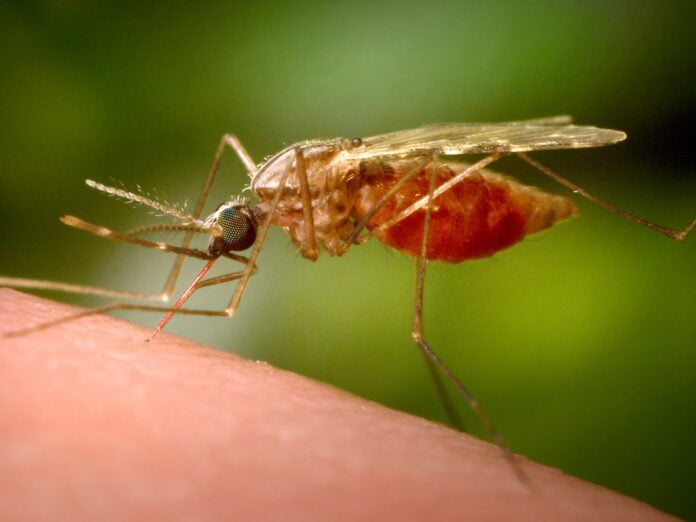
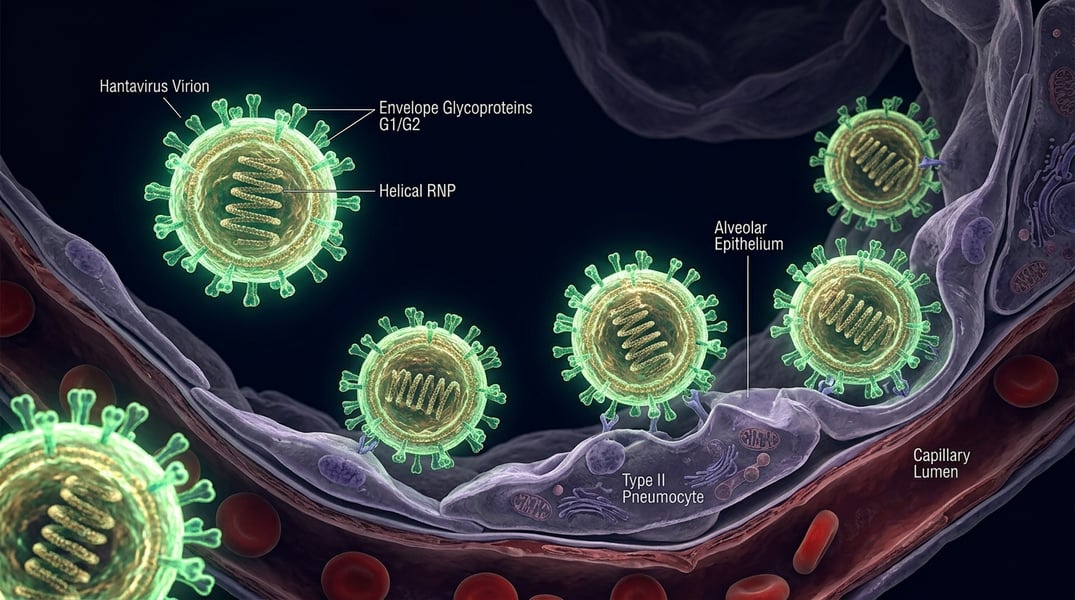
Hantavirus is typically transmitted through contact with rodent urine, droppings, or saliva, most often in agricultural or rural settings. Human-to-human transmission is considered extremely rare, though certain strains can cause severe pulmonary complications with high fatality rates.
What makes this case particularly alarming is the setting. A cruise ship is a controlled micro-environment with regulated food storage, air circulation systems, and limited external exposure. Yet the virus appears to have established a transmission chain that has already resulted in multiple fatalities.
Three passengers have died during or shortly after the voyage, including an elderly European couple and a third individual who succumbed onboard before medical evacuation could be completed. Another patient is currently in critical care in Johannesburg, South Africa.
Investigators Search for the Origin Point
Authorities are now attempting to reconstruct the timeline of exposure. Early findings suggest infection may have occurred either prior to boarding or during an early port stop. Investigators are examining ventilation systems, food storage facilities, and potential rodent access points onboard the vessel.
The outbreak is also being analyzed within the broader context of hantavirus symptoms and transmission, which typically involves environmental exposure rather than airborne spread between humans.
Scientists caution that while rare, spillover events involving rodent-borne pathogens can escalate rapidly when confined populations are involved. Research on zoonotic spillover and rodent-borne virus research has long warned that environmental disruption and global mobility can increase the probability of cross-ecosystem transmission events.
WHO Coordination and Global Health Response
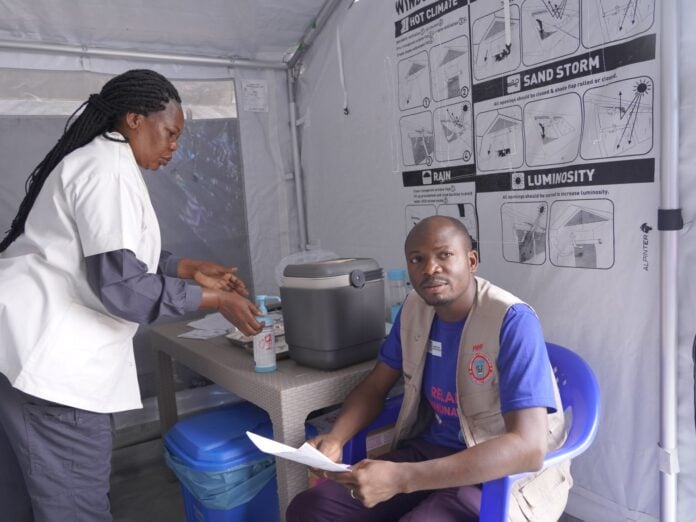
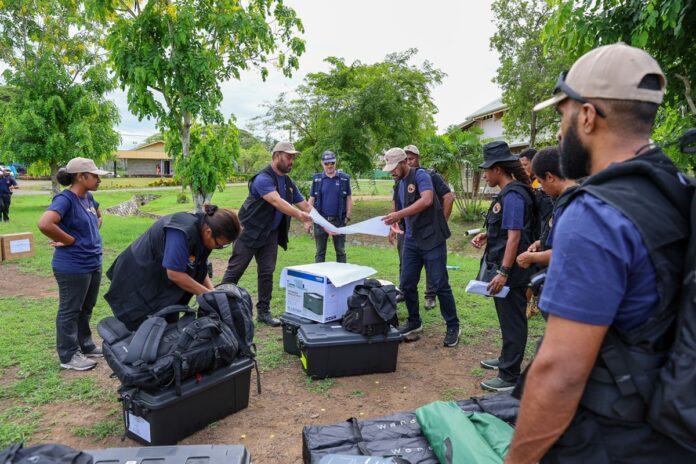
The WHO has mobilized an international response team, working alongside South African health authorities, maritime regulators, and European health agencies to coordinate containment efforts and patient monitoring.
The investigation is being conducted under emergency protocols, reflecting concern over both the severity of the cases and the difficulty of isolating infection sources at sea. Officials have emphasized that rapid diagnostic sequencing is underway to determine whether the strain matches previously documented hantavirus variants in South America.
For broader outbreak context and historical precedent, health officials are reviewing past maritime incidents, including the Diamond Princess cruise ship outbreak during COVID-19, which exposed structural vulnerabilities in cruise ship containment systems.
Cruise Ships and the Biology of Confinement
Maritime epidemiology experts have long warned that cruise ships function as high-risk environments for infectious disease transmission due to population density, shared ventilation systems, and limited isolation capacity.
The MV Hondius, designed for polar exploration, is equipped for remote travel rather than high-level infectious disease containment. That gap is now under scrutiny as investigators assess whether environmental controls were sufficient to prevent exposure.
Public health researchers studying epidemic preparedness and outbreak containment research note that modern travel networks can transform isolated biological events into international emergencies within days.

A System Under Pressure
Complicating the response is the multinational nature of the crisis. The vessel was operating across multiple jurisdictions, requiring coordination between European operators, African port authorities, and South American health agencies.
As cases were identified, evacuation procedures were delayed due to regulatory clearance issues in Cape Verde, raising questions about emergency response efficiency in maritime health incidents.
The situation is now being assessed within broader frameworks of global crisis escalation and cross-border emergency response systems, particularly in scenarios where medical, logistical, and diplomatic channels intersect under time-sensitive conditions.
Scientific Uncertainty and Ongoing Risk
Experts caution that it is too early to determine whether this represents an isolated cluster or a sign of a broader environmental shift in hantavirus behavior. Ongoing sequencing and epidemiological mapping will determine whether the strain exhibits unusual transmission characteristics.
Global health analysts reviewing WHO investigation into the hantavirus outbreak emphasize that rapid containment remains the priority, particularly given the high fatality rate associated with severe pulmonary forms of the disease.
At the same time, economic and logistical disruptions linked to such outbreaks are being tracked by institutions such as Bloomberg, which documents global health crisis and epidemiological reporting across interconnected systems of travel, trade, and tourism.
Unanswered Questions at Sea
For now, the MV Hondius remains at the center of a widening international investigation. Authorities have not confirmed whether additional cases may emerge among crew members or passengers previously disembarked.
What is clear is that a virus once considered geographically contained has now entered one of the most controlled environments in global travel. The implications extend beyond a single vessel, raising questions about how prepared modern transport systems are for rare but high-impact biological events.
As investigations continue, the outbreak has become a test case for global health coordination in real time, with consequences that may reshape maritime safety protocols in the years ahead.