
WASHINGTON — The United States has ordered the emergency departure of American diplomatic personnel from Saudi Arabia, according to media reports, a dramatic signal of mounting concern in Washington as the Middle East war triggered by Israel’s attack on Iran continues to escalate.
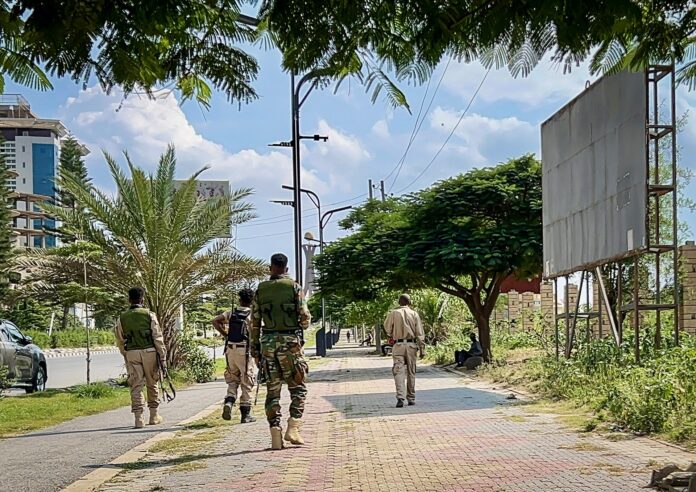
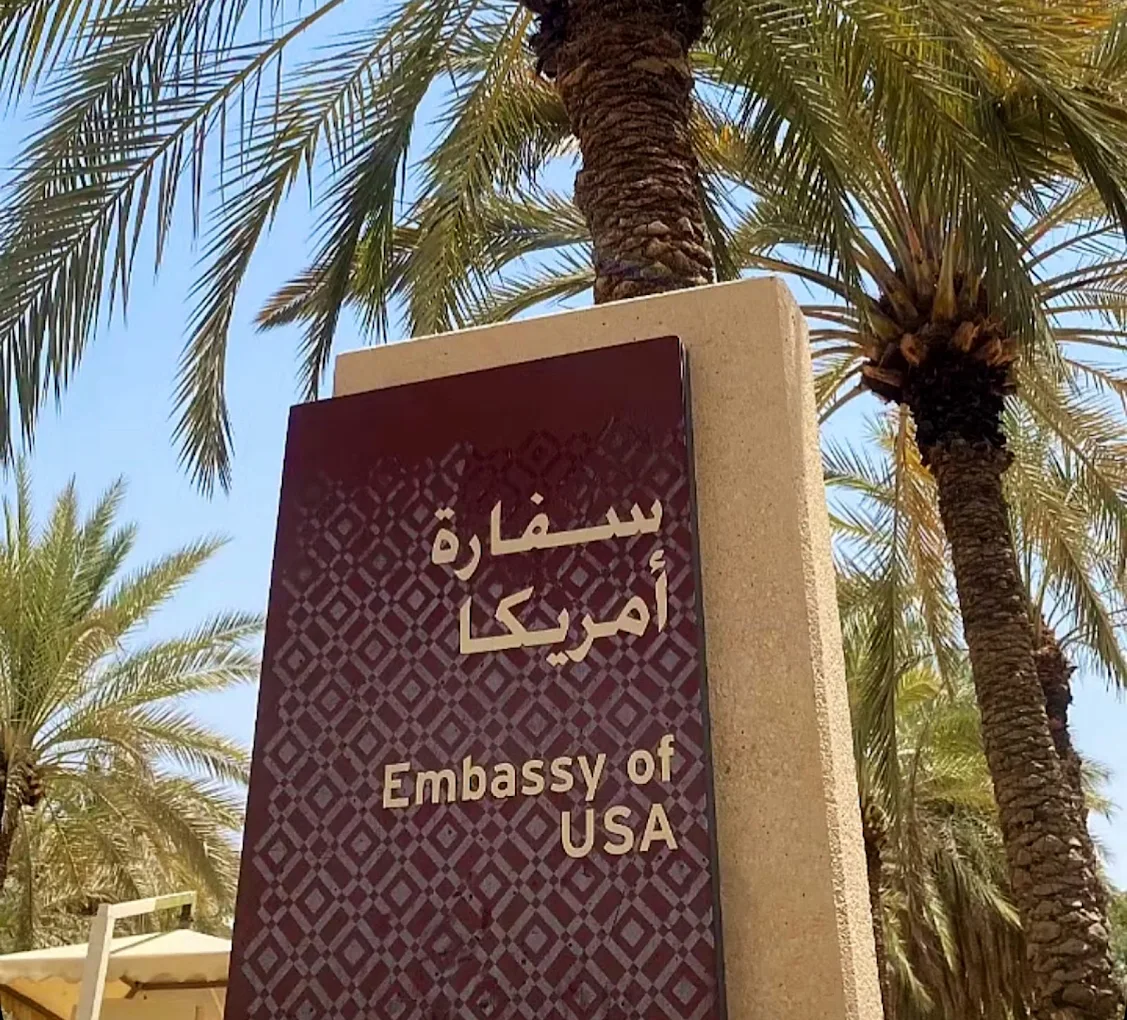
The directive from the US State Department, reported and confirmed by other outlets, applies to American diplomats stationed across the kingdom, including those serving in Riyadh, Jeddah and Dhahran, where US consulates operate. Officials say the decision reflects the growing risk of attacks on American diplomatic facilities in the Gulf as the regional conflict intensifies.
The evacuation order comes amid the rapidly escalating regional conflict following Israel’s attack on Iran, which analysts say has transformed a long-running shadow confrontation into the most direct military clash between Israel and Iran in decades.
The move marks the first time since the outbreak of the current war that the State Department has approved or ordered a mandatory departure of diplomatic personnel from Saudi Arabia. The decision underscores rising fears in Washington that the conflict could spread across the Gulf and expose American personnel and facilities to retaliatory attacks.
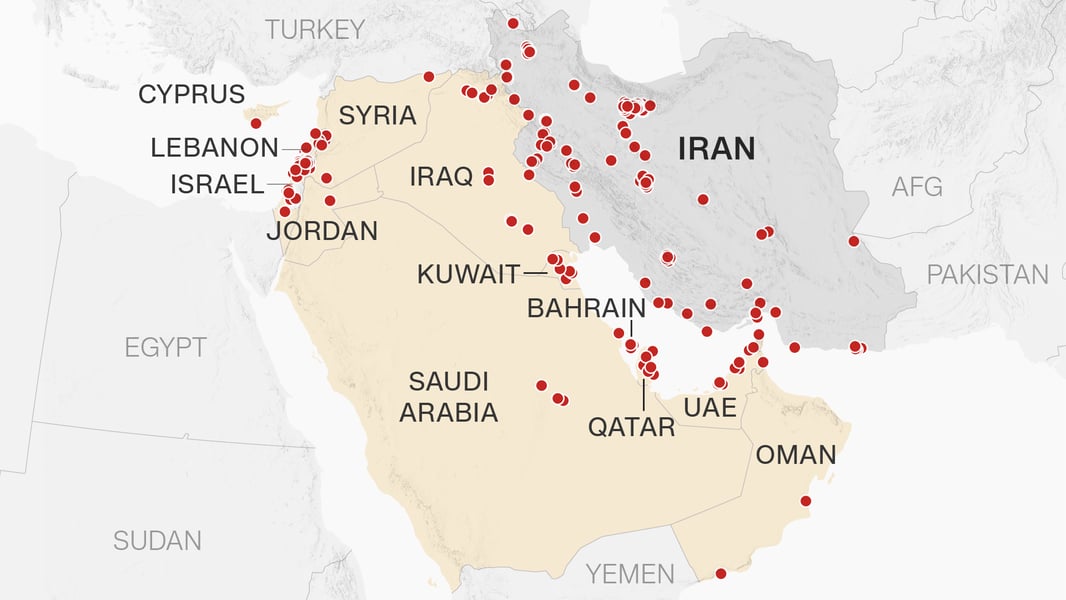
Those strikes ignited a widening confrontation. Iranian officials vowed retaliation and soon launched retaliatory missile and drone strikes across the Middle East, targeting Israeli territory as well as US military assets in the region.
Military analysts say the confrontation has rapidly evolved into a broader regional crisis involving Israel, Iran and the United States. The conflict is now widely described as the widening regional confrontation involving Israel, Iran and the United States, with missile exchanges and airstrikes stretching across multiple countries.
Iran’s retaliatory attacks have included missile and drone launches targeting US-aligned military infrastructure and installations across the Middle East. The escalating strikes have raised alarm among regional governments and prompted the deployment of additional air defense systems across several Gulf states.
In several cases, governments reported missile interceptions and air defense alerts across Gulf states, with falling debris from intercepted projectiles causing damage in urban areas.
Saudi Arabia, home to critical energy infrastructure and a major regional partner of the United States, has long been considered a potential target if the conflict expanded beyond Israel and Iran.
The decision to withdraw American diplomats from the kingdom suggests that US officials believe the security environment has deteriorated significantly since the beginning of the war.
American diplomatic missions in Jeddah and Dhahran play an important role in coordinating regional security operations, supporting US personnel and facilitating diplomatic engagement with Saudi authorities.
Security experts say the evacuation order highlights the seriousness of Washington’s threat assessment, particularly as tensions continue to rise between Iran and the United States.
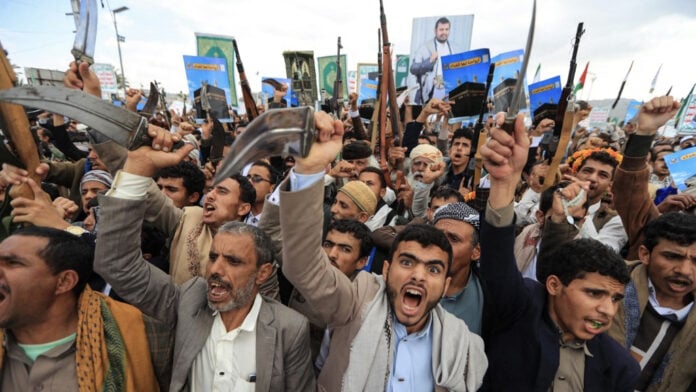
Iranian leaders have warned repeatedly that countries hosting US military forces or supporting Israeli operations could become legitimate targets in the conflict.
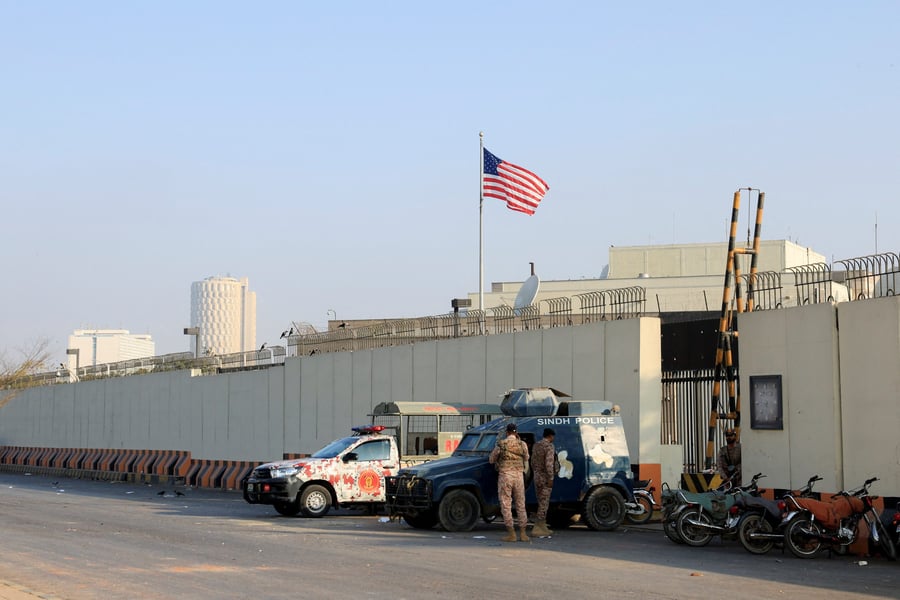
Several attacks since the war began have targeted American assets in the region. Earlier reports indicated that Iran launched missile strikes on US installations across the Middle East, including attempts to hit strategic bases used by American forces.
At the same time, international observers have warned about the mounting civilian toll inside Iran. Reports describing the mounting civilian toll from Israeli airstrikes on Iran have intensified calls from humanitarian organizations for an immediate ceasefire.
The war has also triggered geopolitical shockwaves across global markets. Energy analysts say the confrontation has created the geopolitical shockwaves across global energy markets, with oil prices surging amid fears that critical shipping routes could be disrupted.
The Persian Gulf remains one of the most vital arteries of global energy supply. Roughly one-fifth of the world’s oil passes through the Strait of Hormuz, a narrow maritime corridor long considered vulnerable during periods of regional instability.
Iran has repeatedly suggested that it could restrict traffic through the waterway if attacks on its territory continue.
Those warnings have raised concerns among governments and energy markets that the war could trigger a broader global economic shock.
Some analysts believe the conflict is also tied to Washington’s long-term strategy surrounding Iran’s oil reserves and control of strategic energy resources in the region.
Meanwhile, diplomatic tensions have intensified beyond the Middle East. Iranian officials have sought support from global partners, including Moscow, amid the ongoing conflict.
Recent reports have described Tehran calling on Russia to support Iran diplomatically as the confrontation with Israel and the United States deepens.
Within Washington, the evacuation of diplomats from Saudi Arabia has also reignited criticism from some American officials who say the United States was slow to prepare for a broader regional crisis.
Several diplomats had previously warned that evacuation planning across the Middle East lagged behind the rapid military buildup that preceded the war.
The State Department’s latest order appears to reflect a shift toward a more cautious approach as the conflict expands.
The growing security threat has also prompted Washington to advise American citizens to leave several countries across the Middle East where the situation is deteriorating.
Travel disruptions, airspace closures and security alerts have complicated evacuation efforts, leaving thousands of foreign nationals scrambling to find safe routes out of the region.
Across global diplomatic circles, officials increasingly warn that the conflict could spiral into a much broader confrontation.
International observers say the evacuation of diplomats from Saudi Arabia is one of the clearest signals yet of growing fears of a wider Middle East war.
As missile launches, airstrikes and military mobilizations continue across the region, governments around the world are watching closely for signs that the conflict could spread even further.
For now, the US decision to pull diplomatic staff from one of its closest regional partners underscores a stark reality: the war triggered by Israel’s attack on Iran is no longer confined to a single battlefield but threatens to engulf the wider Middle East.