
WASHINGTON — The United States has granted India a temporary waiver allowing the purchase of Russian crude oil currently stranded on tankers at sea, a move that underscores the mounting strain on global energy markets as the conflict between Israel and Iran escalates.
The license, issued by the US Treasury Department, authorizes transactions involving Russian-origin crude and petroleum products that were already loaded onto vessels and are awaiting buyers or delivery. The authorization is limited to shipments delivered to ports in India and purchased by entities registered under Indian law.
The decision comes at a moment of profound geopolitical turbulence in the Middle East. As Israel attacks Iran and tensions spread across the region, governments and energy markets are scrambling to respond to rapidly shifting supply risks.
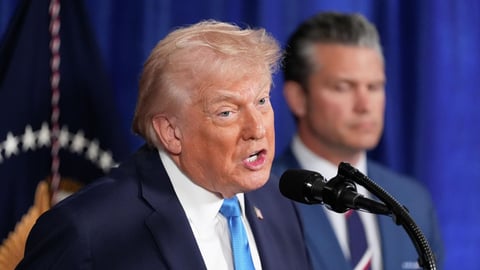
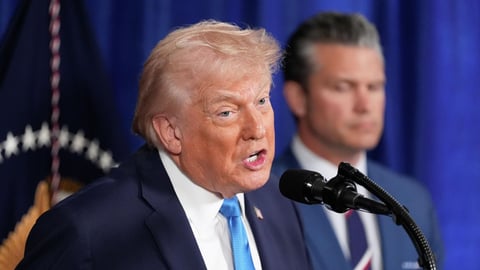
Officials in Washington described the waiver as a short-term measure designed to ensure that oil continues to flow into global markets during a period of extraordinary volatility. Reports indicate the United States approved the move to allow Indian refiners to purchase Russian oil cargoes already stranded at sea, aiming to ease pressure on global supply chains. temporary waiver allowing Indian refiners to purchase Russian oil was confirmed by US Treasury Secretary Scott Bessent.

Energy Markets Shaken by Israel–Iran Conflict
The outbreak of hostilities between Israel and Iran has sent shockwaves through the global energy system. The confrontation has heightened fears of supply disruptions across the Persian Gulf, a region that accounts for a substantial share of the world’s oil production.
Much of the concern centers on the Strait of Hormuz, a narrow maritime passage connecting the Persian Gulf with global shipping routes. Roughly one-fifth of the world’s oil supply normally passes through the strait, making it one of the most strategically important energy chokepoints in the world.
In recent days, tanker traffic through the waterway has slowed dramatically as security concerns mount. Shipping companies, insurers and traders have grown increasingly cautious amid reports of attacks on vessels and rising military activity in the region.
The disruption has already triggered a surge in global energy prices. Benchmark Brent crude has climbed sharply as traders assess the risks of prolonged instability across a region that supplies nearly a third of the world’s oil.
Energy analysts warn that even temporary interruptions to shipping in the Gulf can ripple quickly through international markets, raising fuel costs and intensifying inflationary pressures across major economies.
India Faces Urgent Supply Pressures
For India, the unfolding crisis poses immediate challenges. The country is one of the world’s largest importers of crude oil and relies heavily on energy shipments from the Middle East.
Approximately 40 percent of India’s crude imports pass through the Strait of Hormuz, making the country particularly vulnerable to disruptions in the region’s shipping lanes.
At the same time, millions of barrels of Russian crude were already positioned on tankers in waters near Asia. Traders say the availability of Indian refiners buying Russian crude has become a key factor in stabilizing supply during the crisis.
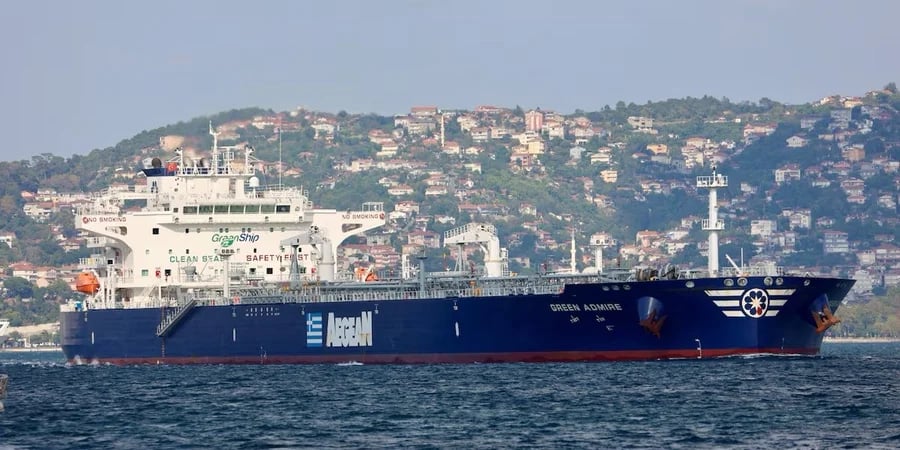
Ship-tracking data shows that numerous vessels carrying Russian oil cargoes have been drifting without confirmed buyers or delivery ports. The availability of Russian oil stranded at sea has created an unusual opportunity for refiners searching for immediate supply.
Washington’s Strategic Calculation
The US waiver reflects a pragmatic decision by policymakers attempting to prevent a global energy shock while maintaining pressure on Russia.
Since the start of the Ukraine war, Washington and its Western allies have imposed sweeping sanctions on Russian oil exports, seeking to limit Moscow’s energy revenues while avoiding disruptions to global supply.
But the outbreak of war in the Middle East has complicated that strategy. Officials now face a dilemma: enforcing sanctions too rigidly risks tightening global oil supply at a moment when the energy market is already under severe stress.
According to energy analysts, the waiver is intended to ease pressure on global energy markets under pressure as geopolitical tensions threaten shipping routes and oil production.
The temporary license attempts to strike a compromise. By allowing India to purchase Russian oil already floating at sea, the waiver provides short-term relief without significantly expanding Russia’s export revenue.
India’s Expanding Role in Russian Oil Trade
India has emerged as one of the largest buyers of Russian crude since Western sanctions reshaped global oil flows.
After restrictions on Russian energy exports to Europe, Moscow redirected shipments toward Asian markets. India and China became major buyers of discounted Russian oil, reshaping global trade routes and refinery supply chains.
The shift dramatically altered energy flows, with Russian crude traveling longer distances to refineries in Asia while European nations sought new suppliers in the Middle East, Africa and the United States.
The availability of millions of barrels of Russian crude near Asian waters has allowed Indian refiners to secure additional cargoes as the Middle East conflict disrupts traditional supply routes.
Regional War Intensifies
The Israel–Iran conflict continues to expand across multiple fronts. Iranian missile strikes and escalating military exchanges have raised fears of a wider regional confrontation.
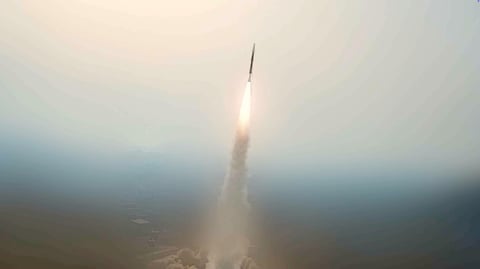
Recent reports describe how Iran launches missile barrage toward Israel as military tensions escalate across the region.
Inside Israel, fear of further escalation has triggered civilian evacuations from major urban centers. Witness accounts describe how Israeli residents flee as missile strikes hit cities amid rising fears of wider regional war.
Iranian officials have also signaled that the conflict may continue for an extended period, with military leaders declaring that war will end when Tehran achieves its goals.
Global Markets Brace for Volatility
The Israel–Iran confrontation is rapidly reshaping global energy markets, trade routes and diplomatic alignments.
Energy traders warn that any sustained disruption in the Persian Gulf could trigger sharp price spikes across global oil markets.
With tanker traffic already slowing and insurers raising premiums for vessels entering the region, markets are preparing for prolonged instability.
For India, the US waiver provides a short-term opportunity to stabilize energy supplies. For Washington, it represents an attempt to prevent economic shock as geopolitical tensions intensify.
And for global markets, the crisis highlights how deeply the flow of energy has become intertwined with geopolitical conflict.