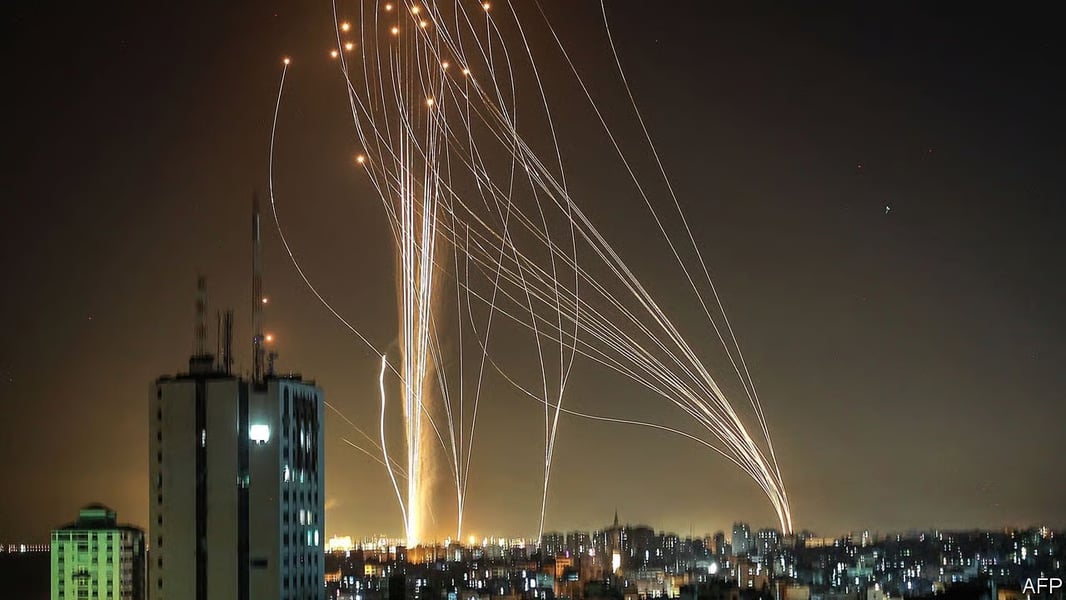

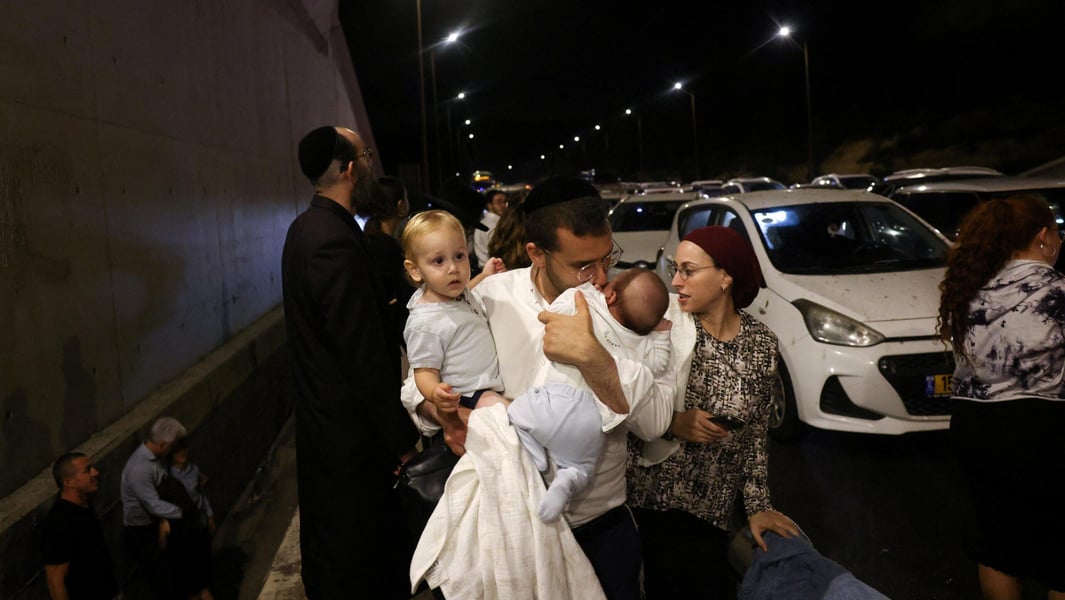
The Middle East conflict escalated dramatically on Wednesday as Iran launched a new wave of missiles toward Israeli territory, triggering air raid sirens across major cities and sending millions of civilians rushing to bomb shelters.
The attacks marked one of the most direct confrontations between the two longtime adversaries in decades. According to Reuters reporting that Iran launched a wave of missiles at Israel, sending millions into bomb shelters, Israeli air defense systems scrambled overnight to intercept incoming projectiles as the region braced for further escalation.
The latest missile barrage comes after Israel launched a large-scale military operation targeting Iranian military infrastructure. Analysts say the war entered a dangerous phase after Israel launched a pre-emptive attack against Iran, escalating tensions across the Middle East, a move that Iranian leaders condemned as an act of war.
Those strikes reportedly involved a coordinated operation between Washington and Tel Aviv. Details of the assault emerged in reports describing how US and Israel launched coordinated strikes on Iranian cities including Tehran, targeting key military and strategic facilities.
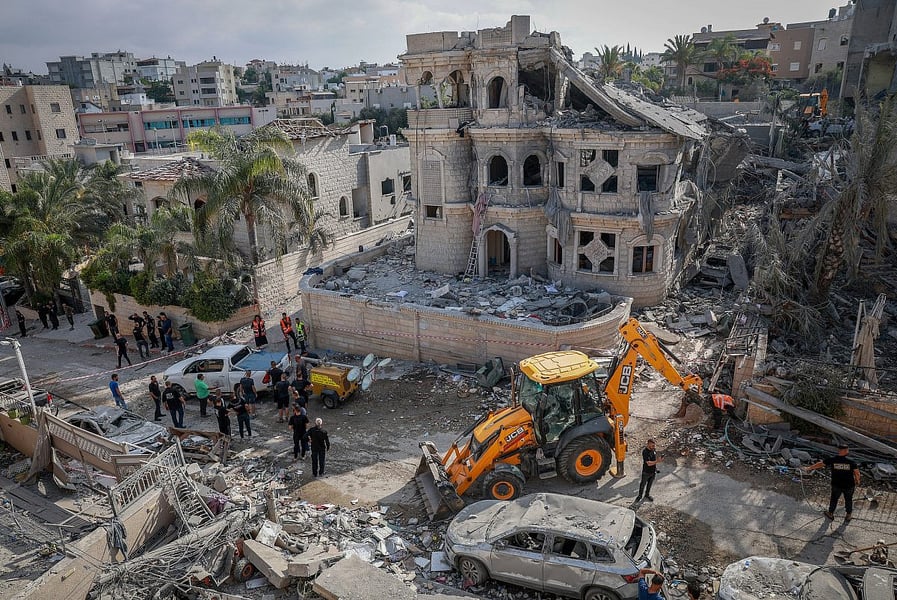
The escalation has had consequences far beyond the immediate battlefield. Markets around the world have reacted nervously as investors attempt to gauge the potential impact of a prolonged conflict. Analysts warn that a disruption in oil supplies could trigger a new global energy shock similar to previous Middle East crises. Earlier reporting on global markets crashing amid the Iran conflict and oil shock fears highlighted how financial markets have already begun responding to the geopolitical turmoil.
The war itself was preceded by warnings that military action could ignite a much broader confrontation. Analysts had cautioned for months that US and Israeli strikes on Iran could ignite a wider war across the Middle East, particularly if Tehran responded directly.
That prediction now appears to be unfolding. Satellite imagery and regional intelligence reports suggest that Iranian retaliatory strikes spread across Israel and the Gulf region, further widening the scope of the conflict.
The humanitarian consequences are also beginning to emerge. In Gaza, the conflict has compounded an already dire situation. Earlier reports revealed how Israel shut Gaza’s Rafah crossing during the Iran war, intensifying the humanitarian crisis in the enclave.
The diplomatic fallout has been equally dramatic. Several governments have warned that the war could destabilize the entire Middle East if further escalation continues.
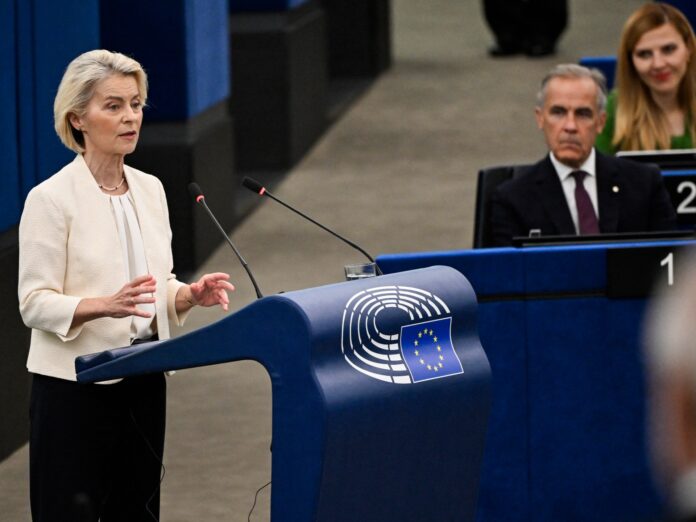
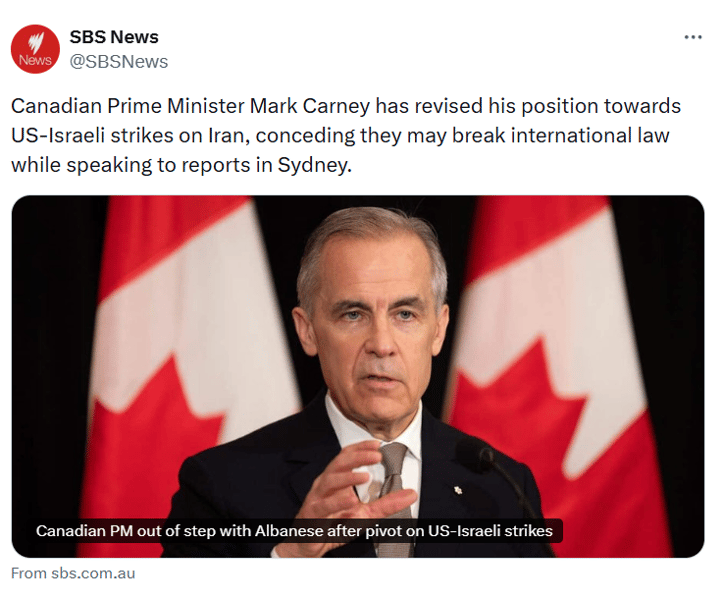
Canada has now signaled it may play a role in the unfolding crisis. In remarks reported internationally, Canada’s Prime Minister Mark Carney said a military role could not be ruled out if the situation deteriorates further.
“Prima facie, it appears that these actions are inconsistent with international law,” Canadian Prime Minister Mark Carney.
“The United States and Israel have acted without engaging the United Nations or consulting with allies, including Canada,” he added, according to Australia’s SBS News, while also condemning strikes on civilians in Iran and calling for “all parties … to respect the rules of international engagement”.
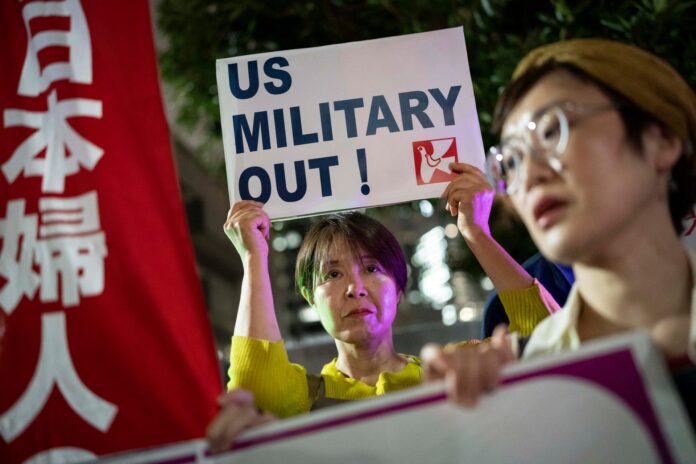
Meanwhile, Russia has sharply criticized the Western military campaign. Earlier commentary from Moscow argued that Russia condemned the US–Israel attack on Iran as unjustified aggression, reflecting the deep geopolitical divisions that the war has exposed.
Across the Middle East, allied armed groups have also entered the fray. Intelligence officials warn that regional militias could begin launching attacks on Israeli or American targets, dramatically widening the conflict zone.
There are also claims that Iranian forces struck advanced missile defense systems belonging to Western allies in the Gulf. Reports from Tehran suggested that Iran claimed it destroyed a UAE THAAD missile defense radar during retaliatory operations, though independent confirmation remains limited.
Beyond the battlefield, the political shockwaves are spreading globally. Governments in Europe and Asia have urged restraint while calling for urgent diplomatic engagement to prevent the crisis from spiraling further.
In Washington, the conflict has sparked heated political debate over the extent of US military involvement. While some lawmakers have attempted to limit the president’s authority to continue the war, the US Senate failed to halt the ongoing military campaign against Iran, allowing operations to proceed.
At the same time, security fears have prompted precautionary measures across the region. Reports indicate that US fears Iran retaliation and has begun evacuating citizens from parts of the Middle East as tensions rise.
Security analysts warn that the coming days could determine whether the conflict remains limited or spirals into a broader regional war involving multiple global powers.