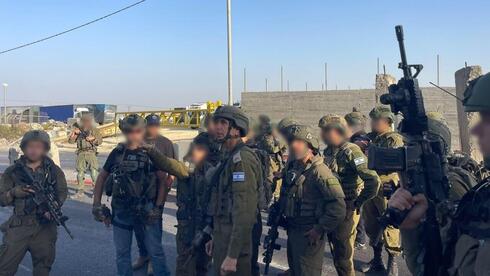
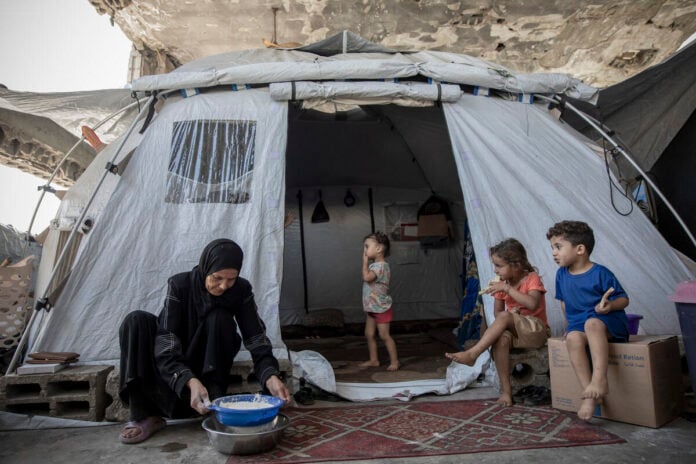
In a stark escalation of Gaza’s humanitarian catastrophe, Israel has closed all crossings into the Gaza Strip, including the vital Rafah border with Egypt, in the midst of a coordinated military operation by Israeli and US forces targeting Iran. According to Reuters reporting on Israel closing all Gaza crossings including Rafah, the shutdown affects humanitarian routes and medical evacuations, deepening the crisis for more than two million Palestinians trapped inside the enclave.
The Rafah crossing, Gaza’s only gateway not directly controlled by Israel, had only recently reopened in a limited capacity after months of near-total closure, providing a brief glimpse of relief for a population long starved of freedom of movement and essential support. According to humanitarian situation reporting, the crossing was opened in early February after nearly 11 months of restrictions, allowing a very narrow window for families, patients and a small number of Gazans in need of urgent medical evacuation to cross into Egypt, the first such movement since the onset of the extended blockade and brutal war.
The modest reopening was seen as a critical, albeit tiny, humanitarian corridor that could allow civilians to seek medical treatment, reunite with relatives and exit a besieged enclave that has seen its infrastructure decimated. However, Israel’s closure of Rafah amid US-Israel strikes on Iran has now shut this fragile lifeline once again, eliminating one of the last remaining routes for aid trucks, medical evacuations and civilian movement, and deepening the sense of isolation and desperation among Gaza’s civilians who remain entirely dependent on external assistance to survive.
A Siege Intensified
The repeated sealing of Rafah is not an isolated measure but part of a broader pattern of blockade policies that have defined Gaza’s existence for years. Historical records detailing Israeli direct actions against aid delivery to Gaza show that humanitarian access has frequently been obstructed during periods of heightened conflict, contributing to shortages of essential supplies.
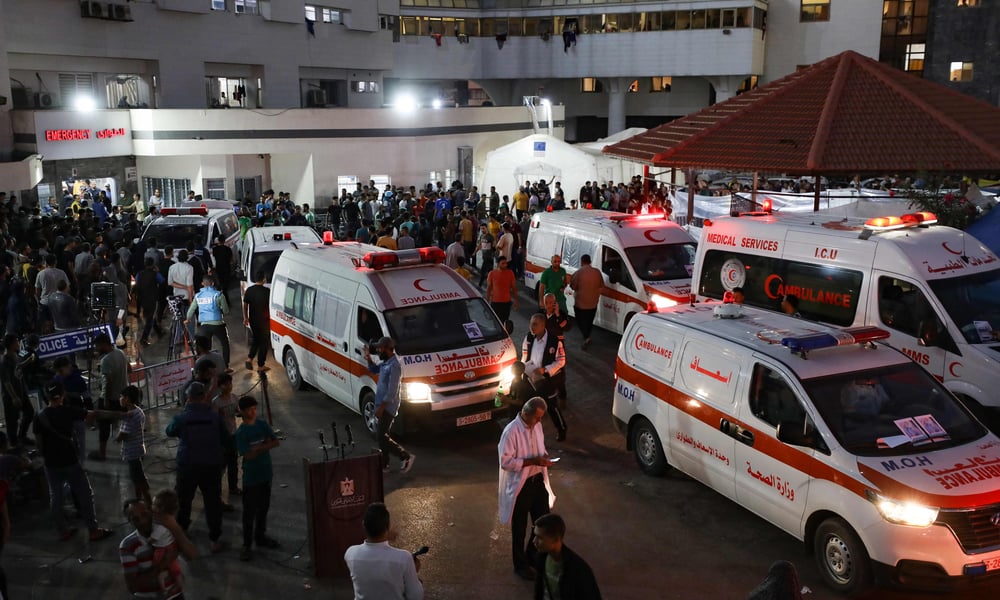
For families awaiting medical evacuation, for children dependent on specialized treatment abroad, and for civilians displaced multiple times by bombardment, the closure translates into immediate and life-altering consequences. Hospitals already operating beyond capacity now face the prospect of dwindling medicine stocks and restricted resupply.
Humanitarian Aid Under Pressure
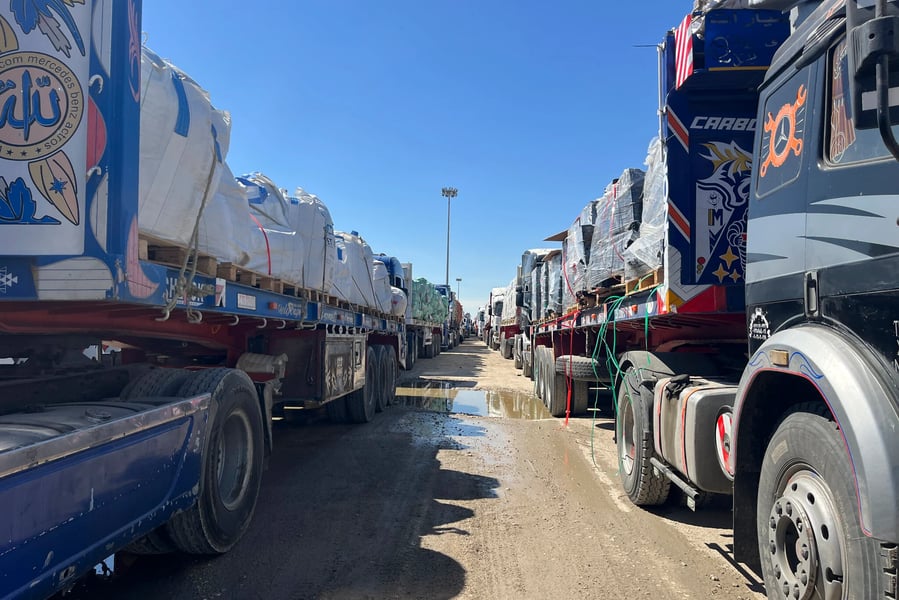
Israeli authorities have stated that sufficient supplies exist within Gaza to sustain the population for an extended period. However, aid organizations continue to warn that delivery bottlenecks and inspection delays severely reduce the volume and quality of goods entering the Strip. Independent reporting on aid flow into Gaza being heavily disrupted underscores the fragility of the current humanitarian pipeline.
Legal and International Dimensions
Human rights observers argue that restricting access to food, medicine, and essential supplies for an entire civilian population raises serious concerns under international humanitarian law. In recent weeks, legal pushback has emerged, with Associated Press reporting on Israeli Supreme Court relief for aid agencies seeking to maintain humanitarian operations despite regulatory pressures.
Yet on the ground, the closure of crossings often overshadows judicial developments, as enforcement realities determine what ultimately reaches civilians.
Regional Escalation and Strategic Calculations
The Rafah closure coincides with an expanded regional confrontation involving joint Israeli and US strikes on Iranian targets. Analysis mapping US and Israeli strikes on Iran and Tehran’s retaliatory responses highlights the widening scope of military operations across the Middle East.
For Palestinians inside Gaza, this broader escalation narrows already limited options. Each closure tightens restrictions on movement, trade, and humanitarian access, reinforcing a siege structure that many international observers describe as systemic and prolonged.
The sealing of Rafah during a period of heightened regional warfare underscores how Gaza remains entangled in larger geopolitical confrontations. With crossings shut and aid routes restricted, civilians bear the brunt of policies shaped far beyond their borders.
Unless sustained diplomatic pressure secures reliable and uninterrupted humanitarian corridors, the closure of Rafah risks becoming yet another chapter in a protracted crisis defined by blockade, deprivation, and recurring isolation.