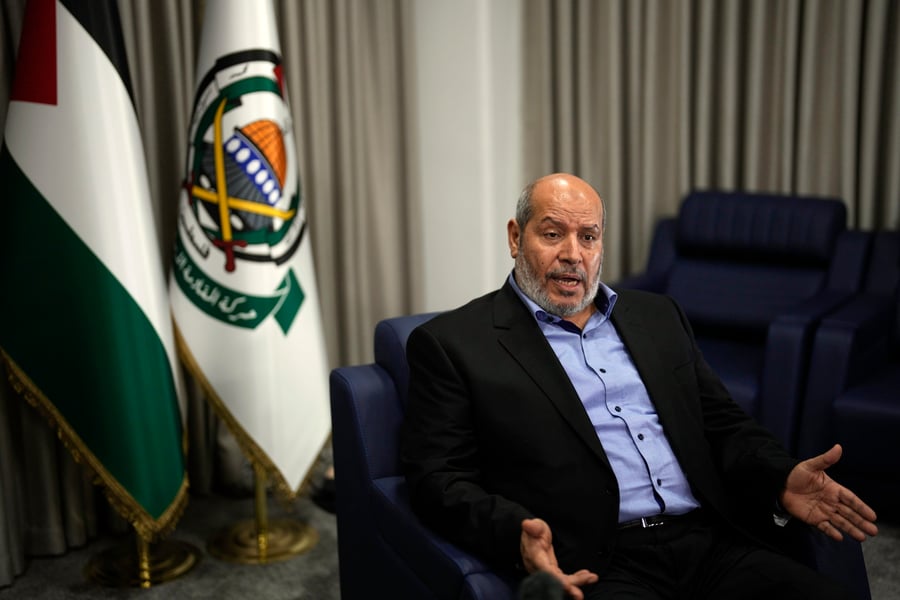

CAIRO — Khalil al-Hayya arrived in Egypt on Sunday for his first diplomatic mission as Hamas’s chief negotiator, Al Jazeera reported. He has held the position since July. The meeting was with Egypt’s intelligence chief Hassan Rashad, in preparation for a scheduled regional visit by Jared Kushner. The last comprehensive Gaza framework Kushner’s diplomatic vehicle produced was a 15-point roadmap presented at Davos in January. Benjamin Netanyahu rejected it.
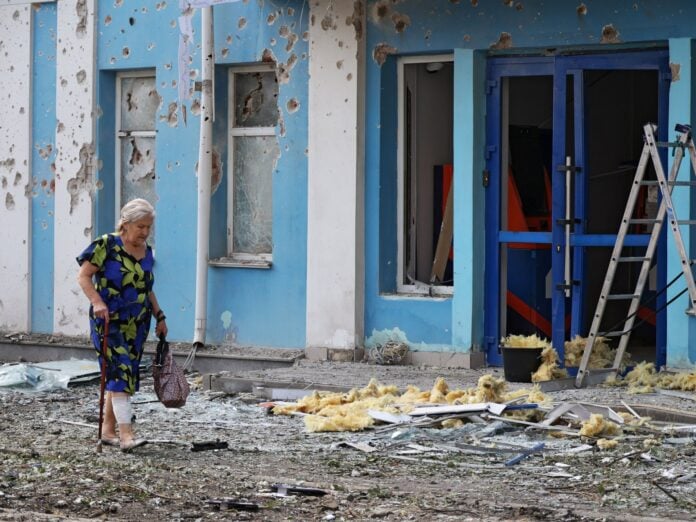
The stakes of that rejection are visible in the numbers. More than seventy-three thousand Palestinians have been killed since October 2023. More than twelve hundred have died since October 2025, the month a ceasefire was supposed to have substantially reduced the violence. It did not. Israeli military operations in Gaza have continued; so have strikes on southern Lebanon. Netanyahu has stated publicly that he will not authorise any Israeli withdrawal until Hamas has been, in his phrasing, “genuinely disarmed,” a condition he set unilaterally, without reference to the framework his ceasefire partners produced.
The Board of Peace, the Trump administration’s diplomatic vehicle for the Gaza file, brought Nickolay Mladenov to Davos in January as its high representative for Gaza. The plan Mladenov presented was the last agreed-upon text with any US backing. That Netanyahu rejected it and that Kushner is now making a regional trip represents either a significant recalibration of US pressure or a new attempt that begins from the same impasse. No official in Cairo has confirmed which it is. Kushner has not disclosed publicly what he intends to offer.
Al-Hayya’s trip to Egypt is his first major diplomatic engagement since assuming Hamas’s top political role after the movement’s previous leadership was substantially destroyed over two years of Israeli strikes. That leadership transition carries its own meaning: Hamas is positioning al-Hayya as a negotiator who can meet with Rashad and, indirectly, with American interlocutors, without the same international stigma that surrounded Sinwar’s period of direct command. Whether that repositioning produces movement depends entirely on whether the American position has shifted. Basem Naim, a Hamas political bureau member, was plain about where the movement places the responsibility: “We continue to await pressure from the mediators and the US side on Netanyahu and his government to compel him to abide by the roadmap.” That formulation has driven Hamas’s public posture since the ceasefire was announced last October. It remains unchanged.
Egypt’s role in this process is not passive. The General Intelligence Directorate under Rashad has been the primary shuttle channel between Hamas and every international interlocutor since October 2023. Egypt holds structural leverage: it is the geographic exit point for wounded Palestinian civilians and for the humanitarian corridors that have carried aid, intermittently and insufficiently, into Gaza. It cannot compel Israeli compliance with any framework, but it can shape what each side believes the other is willing to accept. Al-Hayya meeting Rashad before Kushner arrives establishes whether the American envoy is carrying something new or repeating proposals Netanyahu has already dismissed.

Israeli airstrikes killed eleven people in southern Lebanon on Friday, including three children whose family home in Ansar was destroyed. Lebanese Prime Minister Nawaf Salam called the escalation “extremely dangerous” and renewed his government’s demand for Israeli military withdrawal. Israel’s Defense Minister Israel Katz confirmed this month that Israeli forces now control approximately 700 square kilometres of Lebanese territory. These strikes are not adjacent to the Gaza negotiations. They are part of the same military posture applied with the same doctrine, against what the Israeli government describes as a connected regional threat. What Kushner’s visit is meant to interrupt has not been stated.
Iran’s public warning to Israel over the Ali al-Taher ridge in southern Lebanon, issued on Saturday, added explicit Iranian signalling to a weekend already shaped by regional tensions. Tehran has maintained political solidarity with Hamas throughout the conflict; its warnings to Israel over Lebanese territory are part of that alignment. For al-Hayya, arriving in Cairo with a clear sense of where Iranian support stands is context for how he reads any proposal that arrives via Kushner. The strategic alignment does not require active resupply to continue shaping the negotiating posture.
The diplomatic moment is specific, not general. Al-Hayya is in Cairo. Kushner is planning a regional visit. Egypt’s intelligence chief is in the room. What has not changed is Netanyahu’s stated position, the death toll behind it, and the absence of any public answer to what American pressure on Israel is supposed to look like in practice. Whether the Cairo meetings produce any answer to that is what this round of diplomacy, like the rounds before it, cannot yet confirm.