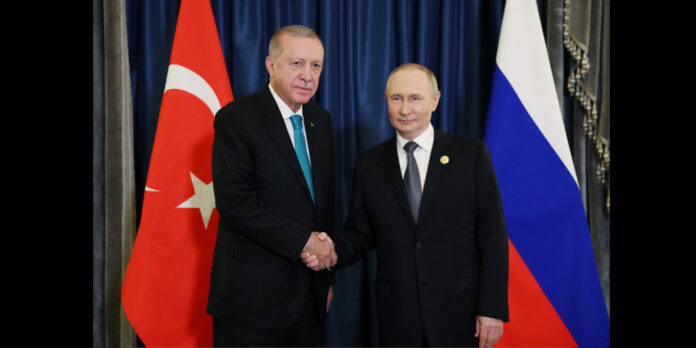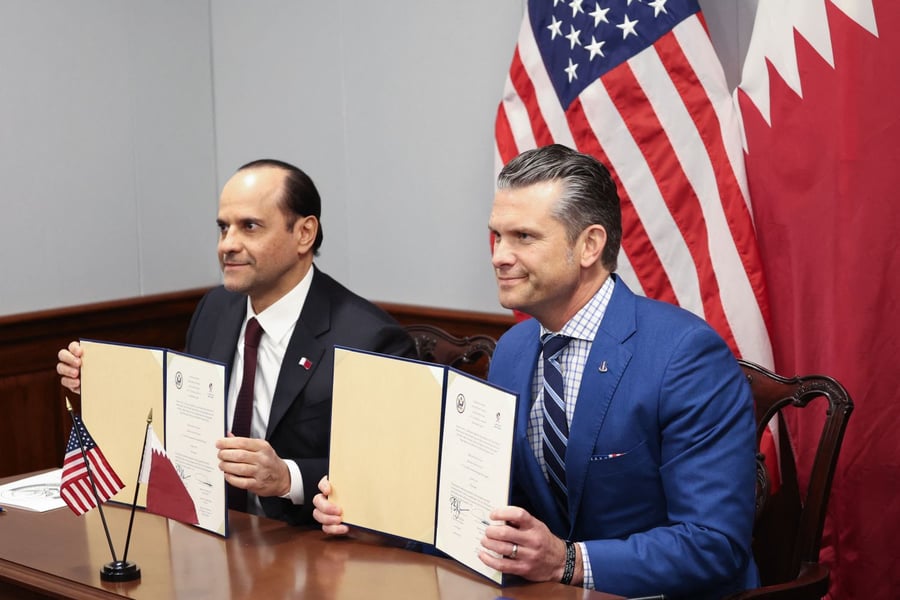

UNITED NATIONS — Vassily Nebenzia’s account of the Iran war has one author and one victim, and what makes it effective is that the opening move is a matter of record. The United States did strike first.
“We know that the genesis of the conflict is not in what Iran did or what it didn’t do, but the reckless and unprovoked aggression that US waged against Iran,” Russia’s permanent representative to the United Nations told reporters on Thursday.
On the narrow question of who began it, the record supports him. The war opened on February 28 with joint American and Israeli air operations against Iran, run under the American code name Operation Epic Fury. Iran did not initiate that. Any account of the conflict that starts with Iranian attacks on shipping has skipped its first five weeks, and a great many accounts do exactly that.
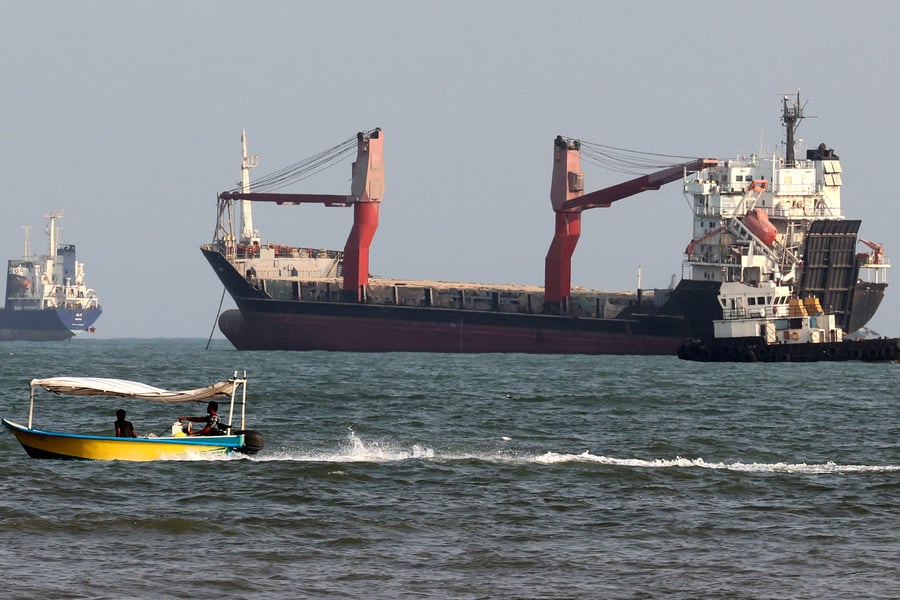
The difficulty with genesis as an argument is that it stops the clock at the most convenient moment. Almost six months have passed. Iran closed the Strait of Hormuz, fired on commercial vessels that refused its terms, and struck American bases across the region. Those are Iranian decisions, taken by an Iranian government, and they are what the rest of the world has spent the summer absorbing in the price of fuel and the collapse of a shipping route. None of them appear in Nebenzia’s sentence, because the sentence is built to make them irrelevant.
What he is also not describing is Russia’s own position in the war he is characterising. Eastern Herald reported this week that Moscow has been shipping explosives, drone components and ammunition to Iran across the Caspian Sea to rebuild an arsenal the fighting depleted, according to a European document confirmed by a Western official and first reported by NBC News. A country resupplying one belligerent is entitled to its opinion about how the war started. It is not a bystander offering an assessment, which is the register Nebenzia was speaking in.
The remarks came the day after Donald Trump said Tehran had failed to take the opportunity to reach a deal and announced a large-scale economic operation against the Islamic Republic. Iranian Foreign Minister Abbas Araghchi dismissed it as a distraction from a crisis of Washington’s own making that would end in a greater defeat, and Iran’s foreign ministry called the campaign economic terrorism and a crime against humanity. Russia’s intervention arrives into that exchange rather than ahead of it.
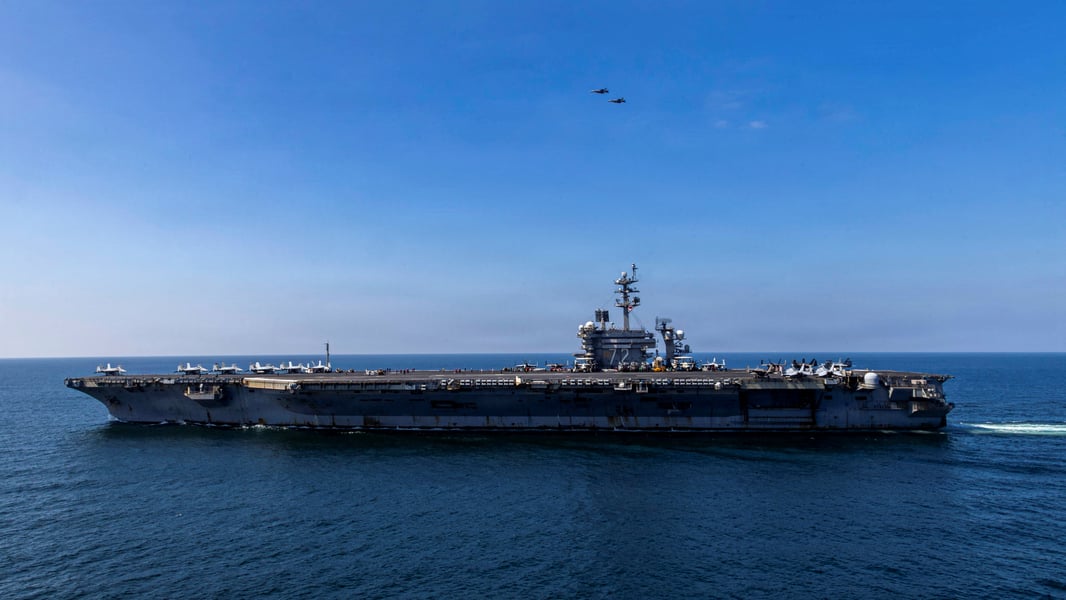
That Pakistani mediation is the detail most often dropped, and it matters for what Nebenzia is claiming. The agreements that paused this war were brokered in Islamabad, not Moscow. Russia has been a supplier and a voice at the Security Council, and has not been the party either belligerent turned to when it wanted the shooting stopped.
There is a further reason Moscow’s framing is worth taking seriously rather than dismissing, and it has little to do with Iran. The argument that a great power launched an unprovoked attack on a smaller state, and that everything following flows from that original act, is an argument Russia has spent four years having made against it over Ukraine. Deployed at the Security Council in Tehran’s defence, it is also being rehearsed. The principle is useful to Moscow precisely because it is general.
Whether any of it changes the American position is doubtful. Washington has moved from strikes to finance, and the sanctions campaign announced this week is aimed at banks, airports, exchange houses and ship registries rather than at military targets, which is a different instrument applied after the previous one failed to produce Iranian capitulation. The United Arab Emirates has suspended trade with Iran on its own account. Neither development turns on what Russia says the war’s genesis was.
The shipping data gives the argument its scale. Between August 1 and 19, according to figures compiled by Al Jazeera, 236 ships of all cargo types crossed the strait against a pre-war baseline of roughly 130 a day, and 148 of them ran dark or by unknown routes. Whatever the Security Council concludes about who is responsible, the waterway is being used by vessels that would rather nobody knew where they had been.
Several things Nebenzia said cannot be checked against a full text. He was speaking to reporters rather than in a formal session, no transcript has been published, and it is not clear whether he was asked about Russian supply shipments or volunteered the genesis argument unprompted. Russia has not responded publicly to the NBC News report. Nor has Moscow said what it would accept as a settlement, whether it supports Iran’s demand for reparations and an American withdrawal as preconditions for reopening Hormuz, or what it intends to do at the Security Council beyond stating a position.
The genesis of this war is one of the few things about it that is not seriously in dispute. What has been done since, and by whom, is the part still being written, and Russia’s name appears in it more often than its envoy allowed.