Global markets slide as oil soars on US-Israel war and Iran tensions triggered widespread selling across global stock markets after the escalation of conflict involving the US, Israel, and Iran, reverberating from Wall Street to Asia and Europe in early March 2026. Stock indices plunged amid surging energy prices, rising inflation concerns, and persistent geopolitical risk.
Major financial centers saw broad declines as investors reduced exposure to equities and sought refuge in safe-haven assets.
Wall Street’s Volatility and Risk Aversion
In the United States, stocks experienced sharp volatility as markets reacted to military strikes against Iran. The Dow Jones Industrial Average plunged over 400 points after trimming even deeper losses, while the S&P 500 and Nasdaq also ended lower as conflict fears mounted and energy costs climbed. According to The Guardian Global equities sank amid the Iran conflict and energy price surge, with investors worried about inflation and economic growth.
Investors grew increasingly concerned that elevated oil prices would not only suppress consumer demand but also put pressure on corporate profit margins. According to market analysts, crude oil’s ascent to levels not seen in months added fresh inflationary dynamics that could complicate Federal Reserve policy decisions.
Energy Prices Surge, Inflation Risks Rise
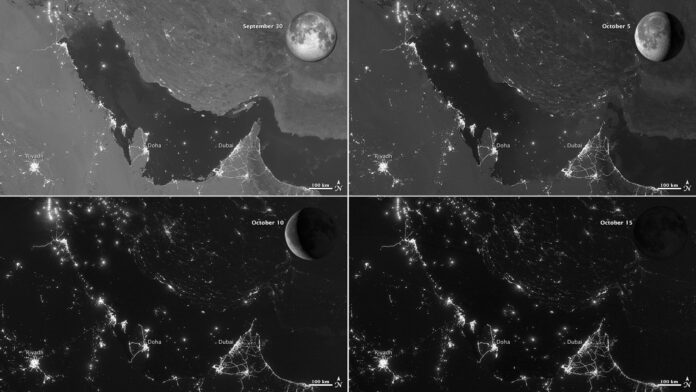
Oil markets were at the heart of the turmoil. Brent crude and other major benchmarks climbed sharply as the conflict in the Middle East disrupted shipping and output. Analysts pointed to the 2026 Strait of Hormuz crisis, where tanker transits were nearly halted, as a key driver behind the surge in energy prices.
Brent crude prices reached their highest levels since early 2025, with benchmarks settling up nearly 5% amid concerns about prolonged supply constraints and global demand pressure. The spike was broad-based, with natural gas and LNG also jumping, especially in European and Asian markets, further intensifying inflation worries.
These energy price developments raised the specter of renewed inflationary pressure, threatening central banks’ efforts to balance price stability with economic growth, and dimming expectations for imminent interest rate cuts. Analysts warned that war-driven oil price pressures could threaten recession risks, as consumers faced higher fuel and transportation costs.
European and Asian Markets Reeling
Major European stock indexes tumbled sharply, reflecting heightened risk aversion across asset classes. Industrial, banking, and travel sectors were among the hardest hit, as rising inflation expectations clouded economic forecasts. According to reports at the open, European indices dipped significantly, echoing sell-offs in London, Paris, and Frankfurt.
Across Asia, markets also slumped. Japanese and South Korean benchmarks fell, and Indian markets suffered deep losses as investors adjusted to higher energy costs and growing uncertainty over global growth prospects. The BSE Sensex, for example, plunged more than 1,000 points as fear and volatility spiked.
Safe Havens and Defensive Plays
Amid broad market weakness, traditional safe-haven assets like gold and government bonds saw heightened demand. Investors rotated out of risk assets and into assets perceived as safer amid global shock. Precious metals regained appeal as concerns about inflation and currency volatility intensified.
At the same time, certain sectors, particularly energy producers and defense suppliers, outperformed relative to the broader market, driven by expectations of sustained energy demand and increased government spending on security matters.
Broader Economic Impact
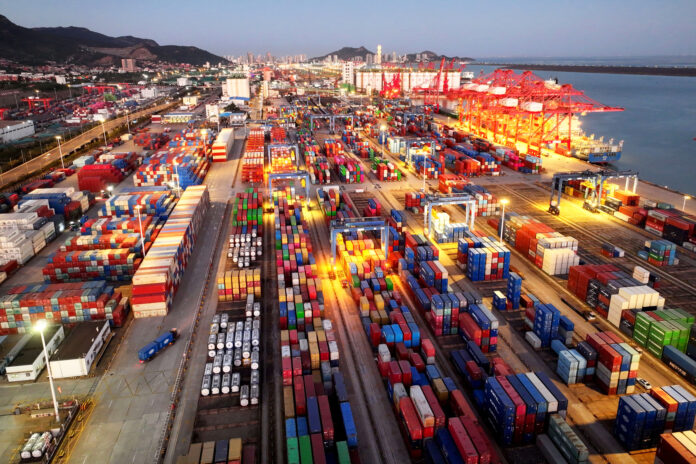
Economists cautioned that the ongoing conflict’s ramifications extended beyond immediate market reactions. The economic impact of the 2026 Iran conflict has already manifested through inflationary pressures, disrupted supply chains, and dampened consumer confidence, factors that could slow economic activity if the situation persists.
Higher energy costs increase production and transportation expenses, which can feed into consumer price indices and erode household purchasing power. This poses a challenge for central banks already grappling with inflation, potentially delaying anticipated monetary easing and squeezing growth prospects for major economies.
Markets in Flux as Geopolitical Risk Dominates
The dramatic sell-off in global stock markets in early March 2026 underscores how swiftly geopolitical turmoil, especially in pivotal energy regions, can unsettle financial systems. With heightened volatility, elevated inflation risks, and economic growth concerns looming, investors and policymakers are staring down a period of heightened uncertainty.
While the full duration and long-term impact remain uncertain, the interplay between energy dynamics and financial markets will continue to shape global economic narratives in the coming weeks and months.