WASHINGTON – Alex Jacquez called it an economy under a ceasefire that no longer exists. The former National Economic Council official was describing what the second-quarter GDP number published Wednesday would not say aloud: that the 3.2 percent surge in consumer spending that lifted the headline figure was largely funded by one-time tax refunds from President Trump’s domestic legislation, and that American households had financed the rest by drawing down savings that are now running thinner.
Gross domestic product expanded at an annual rate of 1.5 percent between April and June 2026, the Bureau of Economic Analysis reported, slowing from the 2.1 percent pace recorded in the first quarter. The number was not a contraction. It was a deceleration, and the forces that prevented a worse outcome were mostly temporary.
Consumer spending accounted for most of the growth that materialized. Personal outlays rose 3.2 percent at an annual rate during the quarter, driven in part by the tax refunds that flowed to households after Trump signed the One Big Beautiful Bill Act. Those payments hit accounts in the early weeks of the quarter, creating a spending window that economists do not expect to repeat at the same scale. The fuel cost that came alongside it was less welcome.
Gasoline averaged $4.09 per gallon during the quarter, up from $3.84 the previous month. The increase traces directly to disrupted oil flows in the Persian Gulf tied to the US-Iran conflict, which has compressed tanker capacity through the Strait of Hormuz and pushed global crude prices into a narrow but persistent premium. For households already stretched by three years of compounding inflation, the fuel price functioned as a tax on the tax refund.
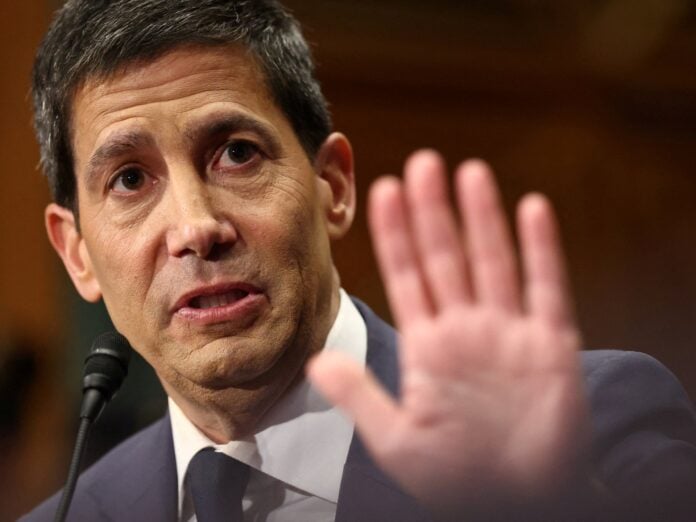
The Federal Reserve held its benchmark interest rate at 3.5 to 3.75 percent at the July 29 meeting, a decision made under Chair Kevin Warsh with three of twelve committee members dissenting in favor of a quarter-point increase. The committee statement cited inflation that “remains elevated relative to the Committee’s 2 percent goal,” with energy singled out among the sectors where prices have been slowest to normalize. Al Jazeera reported that the Personal Consumption Expenditures index registered 3.7 percent annual growth in June, down from 4.1 percent in May but still nearly double the central bank’s 2 percent target.
Warsh, in remarks following the July decision, made plain the committee was not searching for a single piece of data to justify easing. “We are not relying on any one individual piece of data as cover or as an excuse, or as validation,” he said. “What I care about is trends on the data.” Whether the June PCE number represented a trend or a plateau remained unclear at publication.
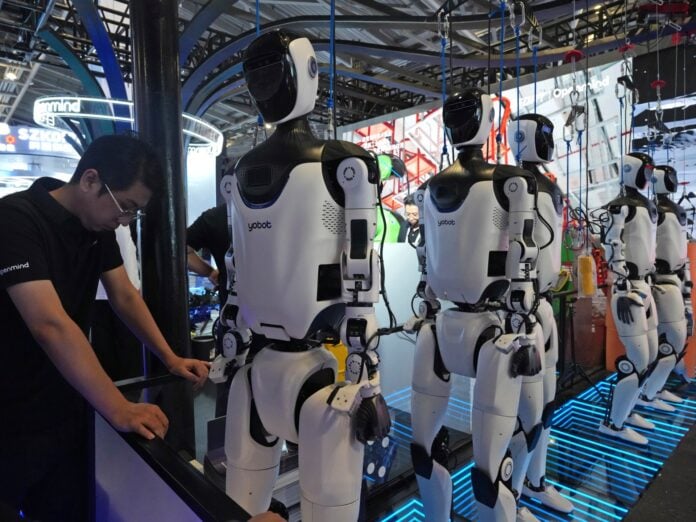
The only other growth engine large enough to show up in the quarterly figures was technology investment. Artificial intelligence infrastructure spending continued expanding at a pace that surprised most economic models built before 2025. The pattern visible in corporate earnings this month was consistent: companies like Alphabet, which raised its 2026 AI capital expenditure forecast to a record $205 billion, were building faster than the broader economy was growing. The quarterly GDP figure did not distinguish between infrastructure spending that generates near-term jobs and spending that generates long-term capacity.
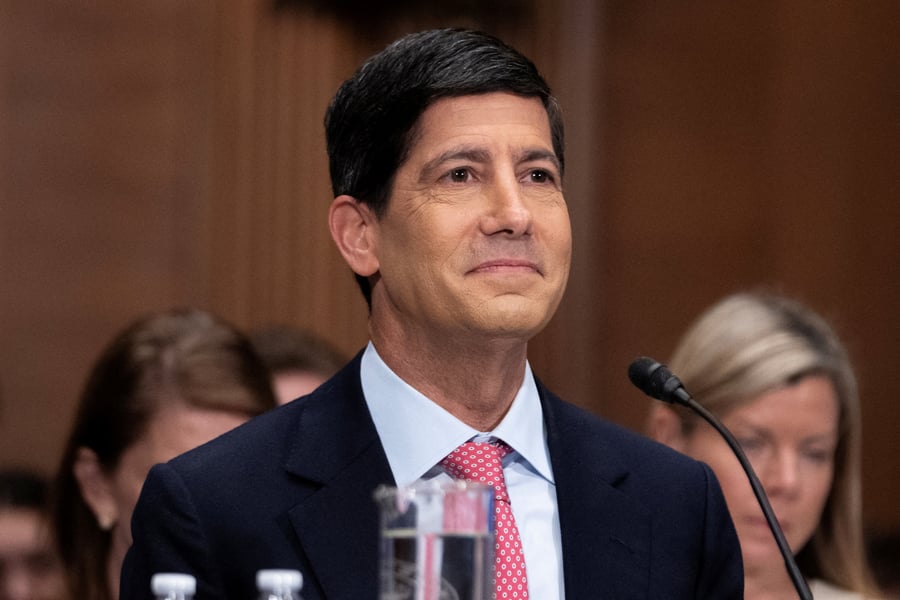
Rachel Ziemba, of the Center for a New American Security, flagged that concentration. “Data centers continue to drive investment and economic growth,” she said, “increasing the sector’s role in the economy while raising questions about its sustainability.” An economy expanding on the back of a single sector’s infrastructure buildout is not the same as one expanding on broad demand, and the second-quarter numbers did not resolve that distinction.
The trade deficit subtracted from growth in the way it typically does when import volumes climb ahead of anticipated supply constraints. Restocking ahead of potential Iran-related disruptions pushed import values higher during the quarter, dragging on the net export calculation that feeds into GDP. The effect was real and measurable, though it may partially reverse if restocking resolves before the third quarter ends.
Saudi Arabia’s economy contracted 4.8 percent in the same quarter, its worst performance since the COVID pandemic, as Hormuz disruptions cut oil revenues by nearly a quarter year on year. The same chokepoint that crushed Saudi export revenues is the one that lifted American gasoline above $4 a gallon. That the two economies were stressed by different sides of the same disruption did not make either outcome easier to absorb.
Jacquez’s ceasefire framing carried a specific meaning. The household financial conditions that produced a 3.2 percent spending number in Q2 were not the same ones that would greet the third quarter. Tax refunds do not recur on the same schedule. Gas prices have not reversed. And Americans’ deepening financial pessimism documented earlier in 2026 continued to show households saving less and borrowing more to maintain a spending level that official data still registers as expansion.
Markets on Wednesday read the GDP number as a beat rather than a miss, with the Nasdaq Composite rising 2.6 percent, the S&P 500 gaining 1.2 percent, and gold extending gains to $4,108.30 per troy ounce. Those moves reflected relief that the headline figure held above consensus estimates, not confidence in the engine underneath it.
Whether the third quarter produces a recovery or a further slowdown depends on questions the second-quarter data cannot answer. Whether the Fed finds room to begin easing before October. Whether Iranian tanker disruptions ease enough to push gasoline below $4 before Q3 consumer budgets close. Whether AI infrastructure investment generates enough secondary employment to show up in broader hiring data. None of those answers arrived with Wednesday’s GDP release.