
The mood across the United States is darkening as millions of Americans grow increasingly anxious about the economy, squeezed by rising living costs, fears of layoffs, slowing wage growth and growing doubts about the country’s economic direction.
Fresh consumer sentiment data, Federal Reserve surveys and economic polling reveal a widening gap between official claims of economic resilience and the lived reality facing working and middle-class Americans. Across the country, households are cutting back spending, delaying major purchases and bracing for tougher times ahead as inflation pressures continue to weigh heavily on daily life.
A report highlighted by The Hill showed that anxiety over the economy has intensified despite repeated assurances from policymakers that the labor market remains stable and inflation is under control. Americans are increasingly frustrated by persistent grocery inflation, elevated housing costs, expensive fuel prices and weakening job security in several sectors, particularly technology and manufacturing.
According to the latest consumer sentiment data from the University of Michigan, US consumer confidence has dropped to one of its weakest readings in decades. The index fell to 48.2 in May 2026, the lowest level recorded since the survey began in the 1950s.
Economists say the numbers reflect a growing sense of insecurity that is spreading far beyond low-income households. Even middle-income Americans who maintained financial stability during earlier inflation shocks are now reporting rising pressure from debt, rent, childcare and healthcare expenses.
The Conference Board’s latest Consumer Confidence Survey found that confidence remains fragile as households worry about future income, employment opportunities and business conditions. While some short-term indicators improved slightly, expectations for the future economy remain deeply pessimistic.
The concern is not limited to inflation alone. Americans are also increasingly worried about layoffs and the future of employment as companies continue restructuring operations in response to slowing growth and rapid advances in artificial intelligence technologies.
A recent Federal Reserve survey showed that concerns over job security have climbed sharply over the past year. Around 42 percent of respondents expressed anxiety about employment stability, a noticeable increase from previous years.
The slowdown in hiring is also contributing to the growing unease. Economists studying the US labor market noted that while unemployment remains relatively low by historical standards, hiring momentum has weakened considerably. Many Americans searching for work now face longer job hunts, fewer openings and reduced bargaining power.
Inflation remains the dominant source of public frustration. Although official inflation rates have moderated from the record highs seen earlier in the decade, prices for essentials remain significantly above pre-crisis levels. Consumers continue paying far more for food, transportation, insurance and housing than they did only a few years ago.
Federal Reserve officials themselves acknowledge that inflation remains a major threat to economic stability. Kansas City Federal Reserve President Jeffrey Schmid recently warned that inflation continues to pose the “most pressing risk” to the US economy, especially as geopolitical instability drives up energy prices globally.
Gasoline prices have once again become a flashpoint for public anger, particularly as tensions in the Middle East place pressure on global energy markets. Rising fuel costs are filtering through supply chains and contributing to broader inflation across consumer goods.
At the same time, household debt levels continue climbing. Credit card balances, auto loans and personal borrowing have surged as Americans increasingly rely on debt to maintain living standards. Financial experts warn that many households are exhausting savings accumulated during the pandemic years.
The frustration is creating what analysts describe as a “vibecession,” a situation where official economic data may avoid a technical recession while ordinary citizens continue experiencing severe financial stress and pessimism.
Political divisions are also shaping public perceptions of the economy. Polling shows sharp disagreements between supporters and opponents of President Donald Trump regarding whether current economic policies are helping or hurting the country. However, inflation and cost-of-living concerns cut across party lines.
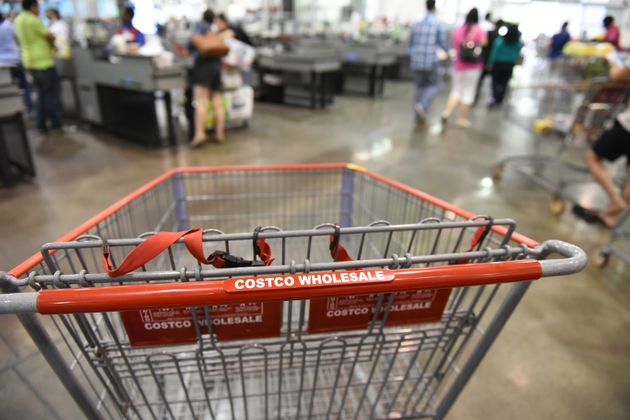
Retailers and major corporations are beginning to reflect the anxiety visible among consumers. Several large companies have lowered earnings forecasts, citing economic uncertainty and weaker discretionary spending. Analysts warn that if consumer spending slows significantly, broader economic growth could weaken rapidly since household consumption remains the backbone of the US economy.
The housing market is also adding pressure. Elevated mortgage rates and persistently high home prices have locked millions of younger Americans out of homeownership, while rent costs remain painfully high in major cities.
Meanwhile, fears surrounding artificial intelligence are intensifying. Workers across white-collar industries increasingly worry that automation and AI-driven restructuring could eliminate jobs or suppress future wage growth. Some economists believe AI-related labor disruptions may become one of the defining economic anxieties of the decade.
Despite these concerns, many government officials continue arguing that the economy remains fundamentally strong due to stable GDP growth, relatively low unemployment and resilient consumer spending. But public sentiment tells a different story.
Surveys increasingly show that Americans feel disconnected from optimistic economic messaging coming from Washington and Wall Street. For many households, daily life continues to feel financially exhausting, unstable and uncertain.
Analysts warn that prolonged economic anxiety can itself become economically damaging. When consumers lose confidence, they often reduce spending, delay investments and become more cautious with borrowing, behaviors that can slow growth even further.
The growing anxiety also reflects a deeper crisis of trust. Many Americans no longer believe that economic growth automatically translates into improved living standards for ordinary workers. Rising wealth inequality, corporate concentration and stagnant purchasing power have fueled a broader sense that the economic system increasingly benefits elites while leaving working families behind.
With inflation pressures lingering, geopolitical tensions escalating and labor markets softening, economists warn that public anxiety may continue rising throughout 2026.
For millions of Americans already struggling to keep up with rising costs, the fear is no longer about a future recession. It is about the belief that economic hardship has already arrived.