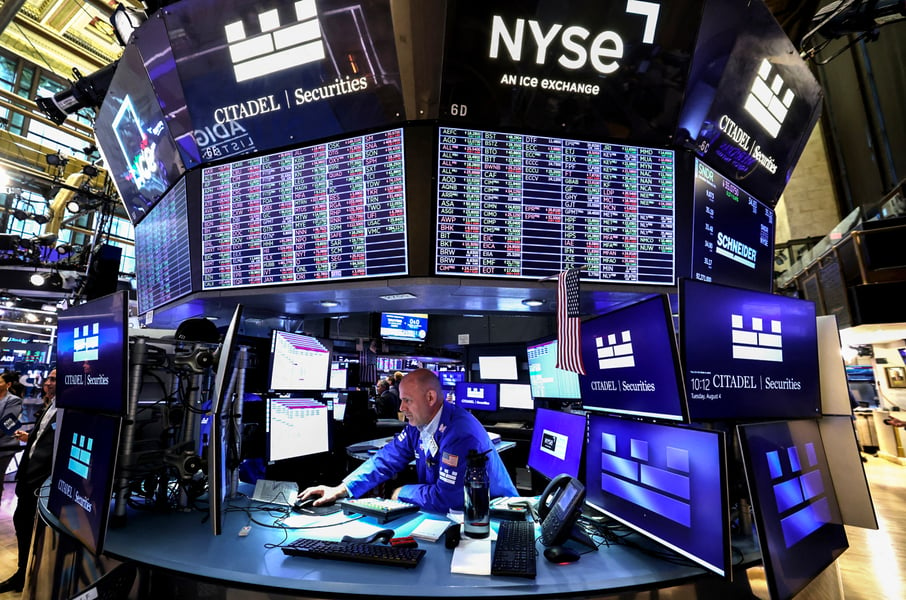

WASHINGTON – The Bureau of Labor Statistics reported Wednesday that producer prices were unchanged in July, below the 0.2-percent rise that economists had forecast. Within minutes, the S&P 500 opened at 7,794.24, its highest level on record, adding 0.59 percent as investors read the flat reading as a signal that Federal Reserve rate cuts are getting closer.
The headline number has a complication hidden inside it. Core producer prices, the measure that strips out food, energy, and trade services, rose 0.4 percent in the month, the fastest monthly advance in three months. The gap between the zero headline and the 0.4-percent core frames the bind that Federal Reserve Chair Kevin Warsh now faces as inflation continues to move in two directions at once.
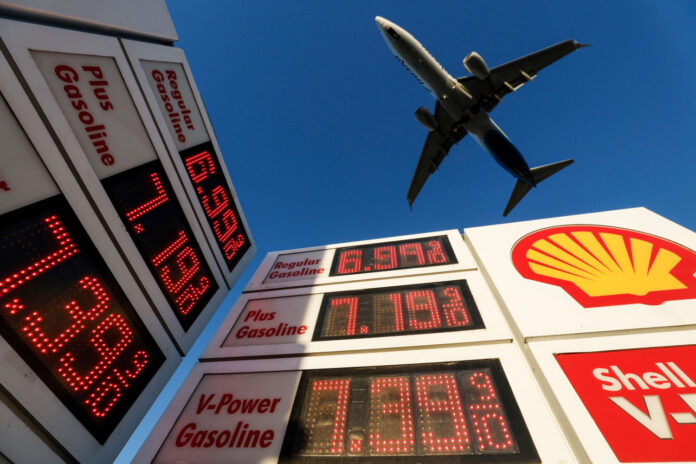
The flatness in July’s headline came almost entirely from cheaper energy. Gasoline prices declined 5.7 percent in the month. Broader energy prices fell 3.1 percent, wiping out nearly all of the upward pressure from services and construction. Portfolio management fees surged 6.5 percent, a reflection of how much financial markets have risen in recent months. Services overall rose 0.2 percent. Construction costs climbed 2.2 percent. Strip out energy, and July’s wholesale inflation picture is not the cooling story that sent the S&P 500 to a record high Wednesday morning.
Year over year, both the headline PPI and the core PPI registered 4.7 percent increases. Bureau of Labor Statistics data showed that services, construction, and portfolio management drove prices higher in July while energy did the work of keeping the headline flat. The Federal Reserve does not target producer prices directly, but the PPI’s services components feed into the Personal Consumption Expenditures index, the Fed’s preferred inflation gauge, with a roughly six-week lag. The next PCE reading arrives August 26.
The timing matters because of where the Federal Reserve stands heading into September. At the July 30 meeting of the Federal Open Market Committee, three officials formally dissented in favor of a rate hike, the first three-vote dissent in the same direction since 2016. Chair Warsh’s majority held and rates remained on hold. The flat headline PPI gives that majority cover to hold again in September. The 0.4-percent core acceleration gives the three dissenters something to point to.
The inflation picture arriving this week follows last month’s consumer price index, published Tuesday. Consumer prices rose 3.4 percent in July from a year earlier, held down by an energy reprieve that traces to the United States-Iran ceasefire, a ceasefire with a Sunday expiration date and no confirmed extension. The PPI energy decline reflects the same dynamic. If the ceasefire breaks down and oil prices rise, the energy cushion that made both July reports look manageable could vanish in August.

That possibility is not part of Wednesday’s rally. The S&P 500’s move into record territory reflects markets pricing a path toward easing, not a scenario in which inflation reignites from the energy side. The Dow Jones Industrial Average and Nasdaq Composite followed the S&P 500 higher. Cisco Systems weighed on the Nasdaq after releasing earnings, but the broader advance was wide. The dollar fell and Treasury yields dipped as investors reduced bets on additional rate increases.
The payrolls data from July adds another variable that markets appear to be setting aside. The economy shed 23,000 positions last month, the first net monthly loss in years, missing forecasts by 106,000. Wage growth came in at 3.2 percent, below the 3.5-percent inflation rate, meaning workers are still losing ground in real terms. A labor market that is softening while core producer prices accelerate is the combination that Fed dissenters were warning about when they voted for a rate increase on July 30.
September is a live meeting, and the committee has to decide whether the headline calm in two consecutive months, CPI at 3.4 percent Tuesday and PPI flat Wednesday, reflects real disinflationary progress or an energy-price effect that a ceasefire breakdown would immediately reverse. Wednesday’s release did not resolve that question cleanly. Energy provided the cover, services provided the concern, and both the headline and core PPI remain at 4.7 percent on an annual basis, well above the Fed’s 2-percent target.
The August 26 PCE report will take the same underlying services inflation and measure it from the consumer side. Any divergence between what the PPI’s services components suggest and what PCE delivers will arrive on the Fed’s table before September’s meeting. Chair Warsh said after the July decision that the committee remains data dependent. Wednesday gave his majority one useful reading, and his three dissenters another.