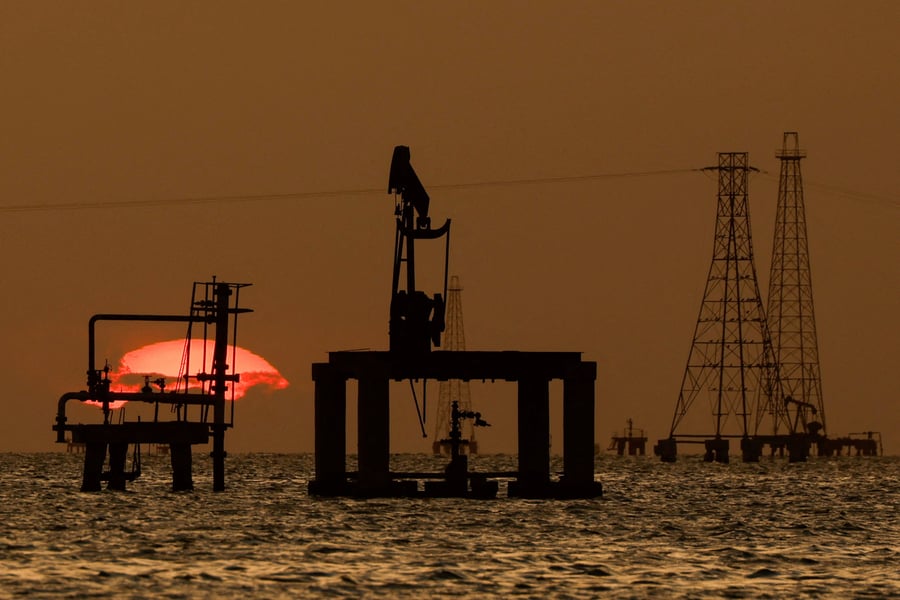

LONDON – A drilling campaign that started when Harold Wilson was prime minister is ending. BP announced Thursday it is putting its entire UK North Sea portfolio up for sale after six decades of continuous production, a move that puts roughly 1,100 jobs at risk and marks the oil major’s most significant European retreat since it first tapped the basin in the 1960s.
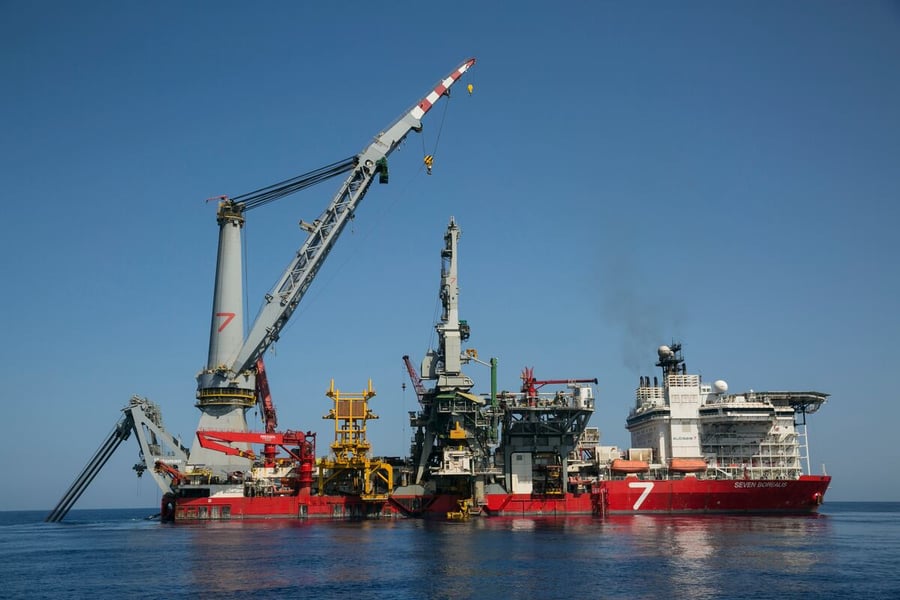
The sale covers five production hubs: the Clair and Glen Lyon fields west of Shetland, the Andrew platform, and the ETAP processing hub in the Central North Sea. Together they represent assets BP has operated through every oil price cycle since the 1973 OPEC embargo, the shale revolution, and now the current Iran-driven energy shock that has pushed Brent crude above $100 a barrel for much of this year.
CEO Murray Auchincloss, who took the role following BP’s boardroom turbulence last spring, has been engineering a systematic portfolio exit from assets the company considers non-core. The North Sea, burdened by aging infrastructure, rising decommissioning liabilities, and the UK’s windfall profits levy, did not survive that review. The sale was first reported by the Wall Street Journal and confirmed by BP on Thursday morning.
The fiscal arithmetic is the clearest part of the story. Britain introduced an Energy Profits Levy in 2022 and extended it through 2029, bringing the effective tax rate on North Sea producers to 75 percent at peak. That rate has accelerated capital exit decisions across the sector. BP’s announcement lands alongside warnings from industry groups that the UK risks losing a generation of investment to rival basins in Guyana, the Gulf of Mexico, and the Middle East, where fiscal terms are more competitive and depletion curves are shallower.
For the roughly 1,100 direct employees whose roles are tied to these assets, the news introduces an uncertain transition. BP said it expected a sale to preserve employment through a transfer of operations, but any new owner will face the same fiscal and infrastructure dynamics that made the portfolio unattractive to BP. Private equity-backed consolidators have been systematically acquiring mature UK continental shelf assets over the past five years, typically combining reduced overheads with extended asset life programs. Whether those same operators are ready to absorb five major hubs simultaneously is a question BP’s advisers will now spend months testing.
BP named no timeline and no potential buyers in its announcement. Industry analysts expect the sale process to take between twelve and eighteen months, depending on how potential acquirers assess decommissioning liability exposures on the aging Clair field infrastructure and the long-tail production profiles attached to the ETAP hub.
The UK government has not responded with formal comment, though the announcement arrives in a politically sensitive window. Energy security and domestic production have become election-adjacent themes in Westminster following the OECD’s assessment that Britain faces the worst growth trajectory in the G20, a consequence directly linked to the Iran war’s diesel supply shock and its outsized effect on rural communities. Losing BP’s North Sea output to a private owner with different investment priorities adds a supply-side uncertainty to that already-stressed macroeconomic picture.
The North Sea supports an estimated 130,000 direct and indirect jobs across the UK supply chain. BP’s exit from the basin would not eliminate those jobs immediately, but it removes an anchor investor whose credit, technology, and operating standards have shaped the basin’s development model for sixty years. A private equity owner buying distressed assets at trough valuations operates on a different timeline and with different obligations to communities, suppliers, and long-term investment than a major oil company with a public reporting structure.
Auchincloss has consistently described the overhaul as a return to capital discipline. Each major divestment narrows the company’s footprint without yet articulating what the surviving portfolio adds up to. The North Sea sale will generate capital, retire some liability, and extend the management runway. Whether that amounts to a coherent strategy or a managed decline is the argument that will follow BP’s next quarterly call.
BP’s share price was flat in early London trading Thursday as investors digested the announcement against a backdrop of rising oil revenues from the company’s remaining Gulf and Mideast operations. The market appeared to read the North Sea exit as consistent with management’s stated direction rather than as a fresh signal of distress, which is either a sign of confidence in Auchincloss’s plan or of how thoroughly the market had already discounted the UK portfolio.
The deeper question the sale leaves open is who buys the basin’s future. Six decades of North Sea production has created an infrastructure that private operators can extend well into the 2040s, but only if capital keeps flowing into maintenance, well workover, and field development. The answer depends on who pays 75 pence in tax for every pound they earn from the basin, and what they decide that calculus is worth.
Related Posts