
SINGAPORE — The first crude purchasing decisions of the new trading week, made by Asian refinery desk heads in the early morning of August 31, came with a variable that did not exist five trading days ago: whether the Iran-Oman Hormuz corridor, now completing its first full week of operation, has genuinely transferred maritime risk to Oman’s diplomatic guarantee, or whether it is a temporary arrangement one incident away from collapse.
Brent crude entered Monday’s session at $88.29 per barrel, unchanged from Friday’s settlement. West Texas Intermediate held at $83.40. Both benchmarks have traded in a range of less than three dollars for four consecutive sessions, a compression of volatility that is either a sign of equilibrium or of a market waiting to be told which direction to commit to.
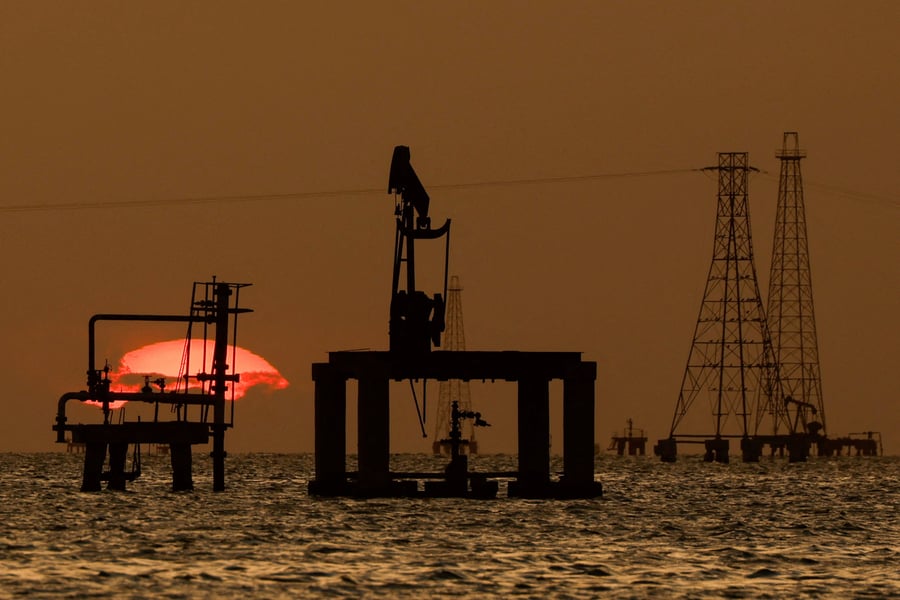
The Hormuz corridor, announced jointly by Iranian and Omani officials on August 26 and detailed in Friday’s crude oil close, directs commercial tankers along a maritime safety lane along Oman’s territorial coast to the Gulf of Oman’s open water, bypassing the central channel of the Strait of Hormuz where Iranian naval patrols had imposed inspection delays on commercial shipping since May. Insurance underwriters began to reflect lower Hormuz risk premiums in the corridor’s first week, though the precise compression varies by route and cargo type.
What the corridor does not do is resolve the underlying dispute. Washington has not endorsed the arrangement. The US Fifth Fleet’s operational posture in the Gulf has not changed. Iran’s export volumes have not increased, because US sanctions constraining Iranian crude marketing remain fully in force. The Oman channel addresses the symptom (tanker delays and elevated insurance costs) without touching the cause. Whether the arrangement survives its second week depends on variables Oman’s diplomatic guarantee cannot control: Tehran’s domestic politics, a potential incident in the strait, and whether Washington decides the corridor serves or undermines its maximum-pressure posture on Iran.
For OPEC+, the corridor’s durability is as consequential as any demand forecast the coalition commissions. The group’s five consecutive monthly production increases since April have added approximately 940,000 barrels per day to global supply, pushing Brent from July’s $105 peak to Friday’s $88.29. As the September OPEC+ quota decisions made clear, the pace of unwinding was calibrated to be absorbed by demand without dramatic price moves, a calculation based on assumptions about Iranian supply disruption that a functioning Hormuz corridor complicates.
The arithmetic the September meeting must navigate: a sixth hike at the April-to-August pace would add roughly 188,000 additional barrels per day. Against a market already in modest surplus, that volume tests whether the price can hold above Saudi Arabia’s fiscal breakeven, which sits above $80 per barrel. J.P. Morgan has projected year-end Brent at $78, a scenario requiring sustained OPEC+ additions and demand remaining soft through the fourth quarter. The US Energy Information Administration’s Short-Term Energy Outlook is less bearish, placing full-year 2026 Brent at $85 with a third-quarter average of $87.
September 5 sharpens the demand picture. US nonfarm payrolls for August and China’s official manufacturing PMI for the same month arrive that morning, a double print that will either validate or challenge the demand-weakness thesis underpinning the oil bear case. A US labor market that holds strong alongside a Chinese manufacturing PMI above 50 would complicate the narrative substantially. A weak payroll combined with a sub-50 Chinese reading would validate J.P. Morgan’s $78 forecast and likely deter a sixth OPEC+ hike before the coalition’s September meeting even convenes.
August’s crude sessions provided consistent evidence that a physical floor existed somewhere near $87 per barrel, that even when macro headwinds mounted, buyers were present at that level. Whether that floor migrates lower through September as OPEC+ supply continues to build remains untested. The market is entering the new month below $90 for the first time since late May, with a Hormuz arrangement that is five days old, a production coalition that has not decided whether to add a sixth tranche, and a September data calendar that could reshape either argument within a week.
That combination is not a resolved market. It is a market with three unanswered questions: the corridor’s durability, the sixth hike’s fate, and September 5’s data, each capable of moving Brent by five dollars in either direction, waiting on events none of its participants fully controls.