
WASHINGTON — On paper, Ricardo Hausmann and Elías Jaua have little common ground. Hausmann is a Harvard economist who spent years calling for international pressure on Nicolás Maduro’s government. Jaua is a veteran Chavista who served as Maduro’s vice president. On Friday, both looked at the agreement Venezuela’s interim government had just signed with the United States, and both called it unconstitutional.
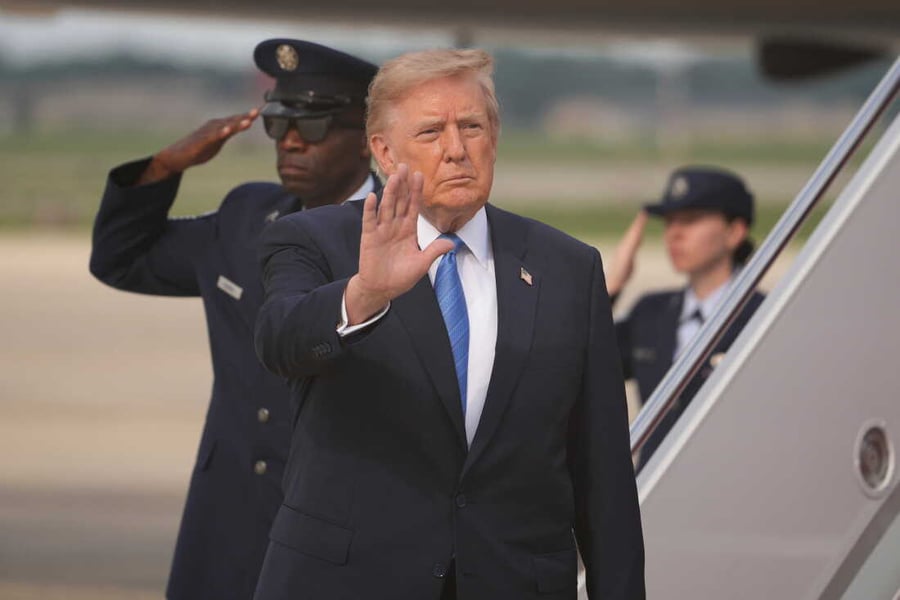
This is the reception President Trump received for what he announced, in capital letters on Truth Social, as “THE BIGGEST OIL DEAL IN WORLD HISTORY.”
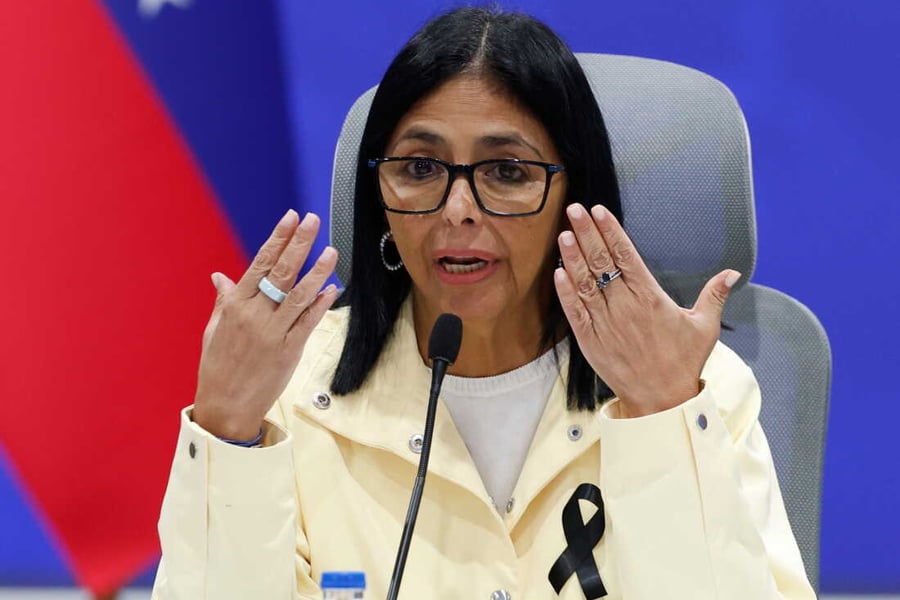
On August 28, Trump declared that the United States had secured majority control over more than 65 billion barrels of Venezuelan oil reserves, roughly one-fifth of the world’s largest known petroleum deposit, across 17 strategic oil fields. The deal, negotiated by Secretary of State Marco Rubio and Defense Secretary Pete Hegseth with Venezuela’s interim President Delcy Rodriguez, grants the US 55 percent of effective output from a new joint venture. Venezuela will receive $19 per barrel sold to the American government, an arrangement Rodriguez said could eventually generate $209 billion annually in taxes for Caracas.
Trump framed the deal as a solution to a US Strategic Petroleum Reserve that had fallen to roughly 290 million barrels, a 44-year low, against a designed capacity of 714 million barrels. Gas prices in the United States now exceed $4 per gallon, in part because American military operations against Iran closed the Strait of Hormuz in late February, disrupting nearly one-fifth of global oil and gas supplies. Summarizing his approach to Venezuela’s resources, Trump wrote that the arrangement proved the old maxim: “To the victor belong the spoils.”
That framing did not go unnoticed in Caracas.
Hausmann, a former Venezuelan planning minister who has spent two decades advising international creditors on Venezuela’s debts, told reporters the agreement was “unconstitutional.” The argument was straightforward: Rodriguez’s government was not elected. She assumed power in January 2026 after a US military operation seized Maduro at his Caracas residence and transferred him to federal custody in New York, where he faces narcoterrorism charges. An unelected transitional authority, Hausmann argued, has no standing to grant a 25-year production concession over the country’s core oil assets without an electoral mandate.
Jaua, Maduro’s former vice president and agriculture minister, accused the Trump administration of stripping Venezuela of its sovereignty and its natural resources. Al Jazeera reported that energy analysts compared the arrangement to colonial-era resource agreements, drawing parallels to British oil company control of Iraqi and Iranian fields before World War II. Energy analyst Gregory Brew called the 65-billion-barrel figure a “red herring” with “little relevance to any actual deals.”
Rodriguez disagreed. She signed the agreement and described it as historic, arguing it would bring Venezuela $100 billion in private investment and restore an oil industry that sanctions had gutted. Venezuelan output, which once reached three million barrels per day, has fallen to roughly 1.25 million. “Venezuela will keep ownership of its natural resources while leveraging capital, technology, and operational expertise,” she said.
Having done all of that, Trump is now in a position to tell Venezuela’s interim government, a government that exists because his administration seized its predecessor, that the oil will now be managed jointly, at 55 cents on the dollar for Washington.
The US energy industry has not committed to the project. ExxonMobil’s chief executive, Darren Woods, described Venezuela as “uninvestable” without significant legal reforms, noting his company had its assets seized there twice and would not participate without protections that do not yet exist. NPR reported that no major American oil company has committed to the venture.
CBS News reported that the timeline from announcement to meaningful oil production runs between one and ten years, requiring investment that no company has yet committed to provide. Paasha Mahdavi, a political scientist at UC Santa Barbara who studies resource governance, was direct: “Is the US nationalizing Venezuela’s oil? And the answer is no.”
What Rodriguez actually signed remains contested on every dimension: its legitimacy is disputed by both wings of Venezuelan politics, its value is questioned by the analysts who examined it, and its practical effect on American gas prices or oil supplies is years away, if it arrives at all. Trump called it doubling America’s oil reserves. Both sides of Venezuela call it something else.