
JAKARTA — In March 2025, a cardboard box holding a severed pig’s head arrived at the Jakarta office of Tempo, the Indonesian investigative magazine. Three days later, cleaners found a package of six headless rats. Wahyu Dhyatmika, who leads Tempo’s digital operation, called it a terror attack meant to “scare and silence” the newsroom, the International Federation of Journalists said at the time.
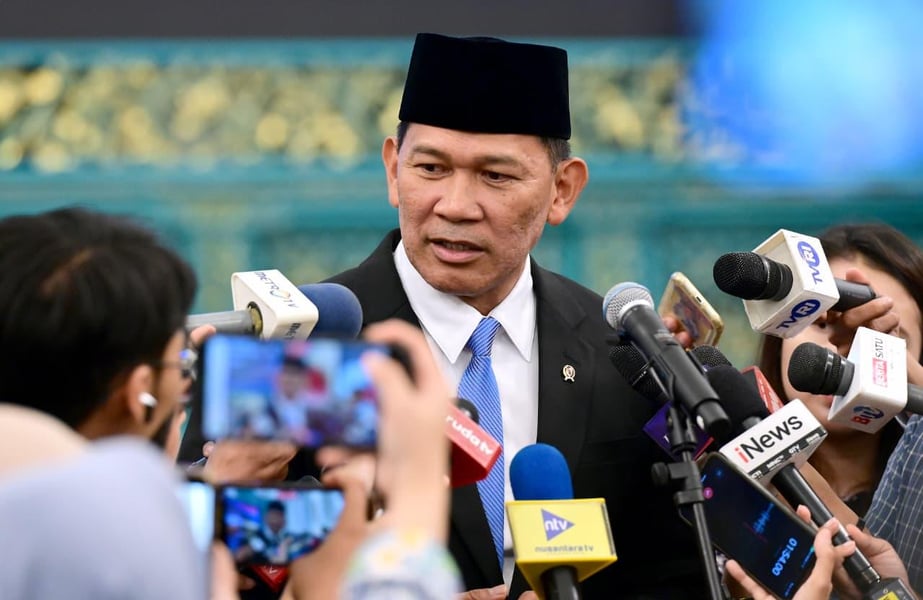
On Thursday, the Committee to Protect Journalists and the global civil society alliance CIVICUS cited those episodes in an appeal to President Prabowo Subianto, issued ahead of the second anniversary of his inauguration on October 20.
Their argument is that the pressure does not come only from anonymous senders. The two groups say Prabowo has repeatedly called critical journalists and outlets “londo ireng,” or black Dutchmen, a term for Indonesians who collaborated with the Dutch during the independence struggle. Accusations of serving foreign interests, they warn, can invite violence and chill reporting in the public interest.
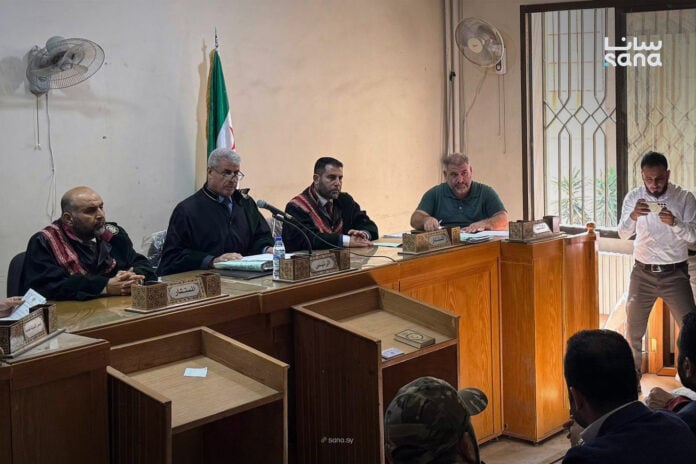
Beh Lih Yi, CPJ’s Asia-Pacific director, said in the statement that “independent, critical journalism is vital in the world’s third-largest democracy,” and called on the administration to show a commitment to reporting without fear. The Committee to Protect Journalists said reporters were also assaulted while covering protests in March 2025, August 2025 and April 2026.
The violence has a longer tail. CPJ counts 14 journalists killed in Indonesia since 1992. Of the nine cases it classes as murders in direct retaliation for reporting, eight remain partly or fully unresolved. One is Rico Pasaribu, killed on June 27, 2024. A CPJ investigation published in June 2026 said authorities did not thoroughly examine the alleged involvement of a soldier, Cpl. Herman Bukit, who allegedly ran an illegal gambling operation that Pasaribu had exposed.
Josef Benedict, CIVICUS’s Asia-Pacific researcher, said the government “must review and amend all laws used to criminalise journalists.” The groups point to the Electronic Information and Transactions Law and the new Criminal Code, to a 2025 police regulation requiring foreign reporters to obtain police clearance, and to proposed Broadcasting Law amendments now before the House of Representatives.
The Agriculture Ministry’s lawsuit against Tempo is the other case on their list. Agriculture Minister Amran Sulaiman filed it on July 1, 2025, over a May 16 article and poster about rice stocks at Bulog, the state food reserve agency, and demanded 200 billion rupiah, about $12.5 million, the International Federation of Journalists reported. The federation said the Press Council had already told Tempo to revise the poster and apologise, and that Tempo complied the next day.
CPJ’s statement does not say how that case ended, and TEH could not confirm where it stands. TEH also found no response from the presidential palace to the appeal. Nor could it find a published answer to the question that began the story: who sent the pig’s head, and whether anyone has answered for it.