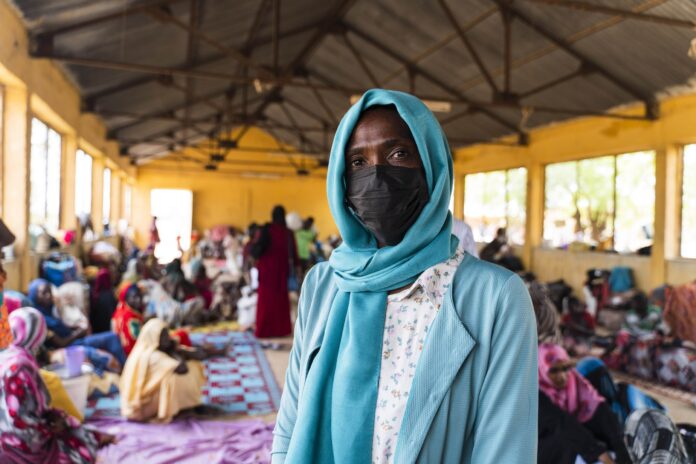

KABUL — A 13-year-old girl was held overnight by Taliban virtue and vice inspectors over how she wore her hijab, and was released the next day when her father came to collect her. Her case appears in a quarterly report from the UN Assistance Mission in Afghanistan, published Thursday, which documented more than 50 hijab-related arrests, detentions or cautions of women between July and September, most of them in Herat and Kabul.
The same day, the global hunger monitor known as the IPC reported that acute hunger and malnutrition in Afghanistan have reached the highest levels ever recorded. Set side by side, the two reports describe a winter in which the families in greatest need face rules that, by UNAMA’s account, have turned women away from clinics and markets.
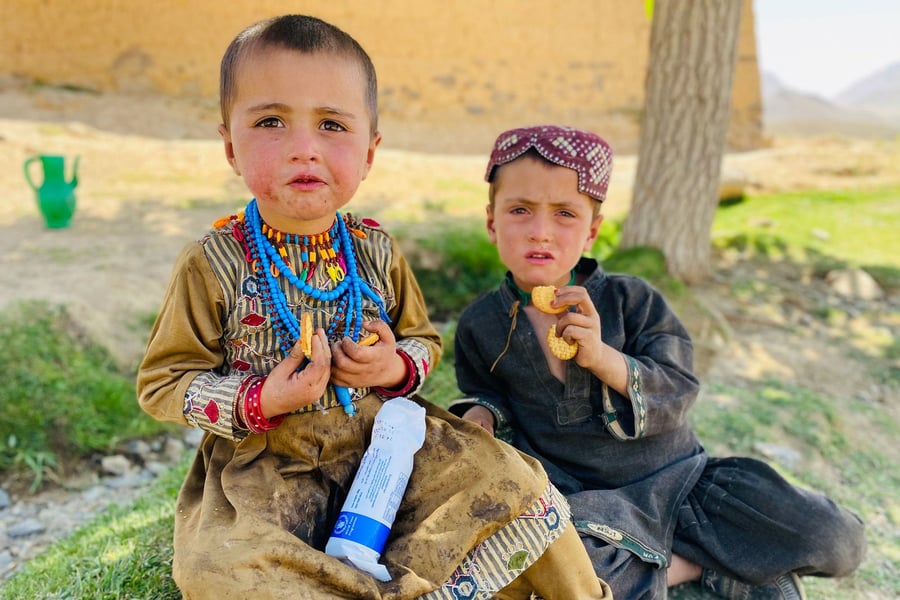
The IPC counts 15.9 million people in acute food insecurity, 3.4 million of them in emergency conditions, which precede famine. More than 32 per cent of the population is at crisis level or worse. From November to April it projects 19.2 million at that level, five million of them in emergency, and 4.04 million children under five needing malnutrition treatment in 2027. These are classification projections, not a headcount.
Food itself is not the constraint, the report suggests. “Although improved rainfall and better agricultural production have supported food availability, declining humanitarian assistance is reducing households’ ability to cope,” the report warned, UN News reported. World Food Programme country director John Aylieff said, “We still have a window to act, but it is closing fast,” while the Food and Agriculture Organization’s Richard Trenchard said families need work that “helps them withstand the next shock.”
In Parwan on 8 August, inspectors stopped two women from entering a health facility because no male guardian, or mahram, accompanied them. In Helmand on 17 August, a woman was stopped at a market for the same reason. UNAMA offers these as examples, not a total, though its update does count at least 443 arbitrary arrests and detentions and 97 incidents of ill-treatment by the inspectors in the quarter.
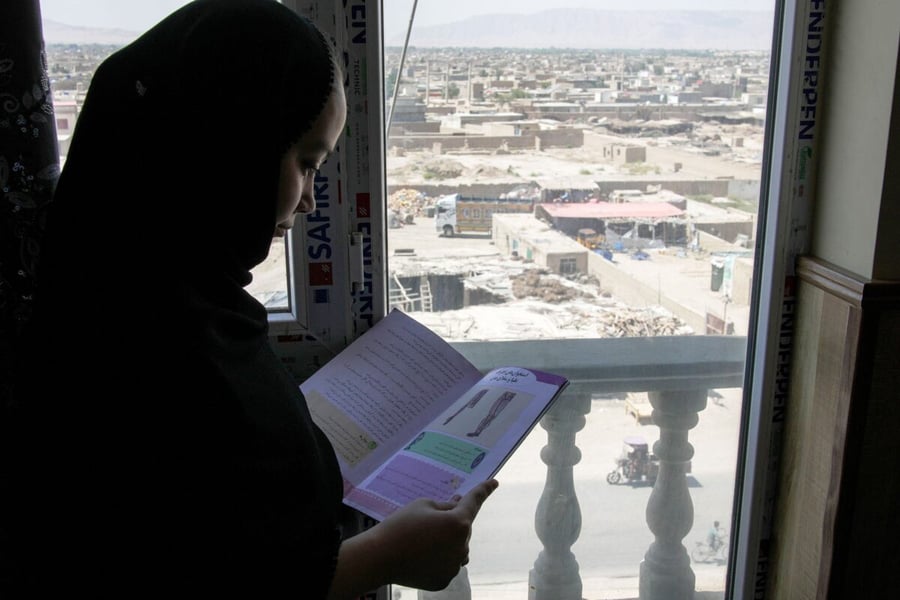
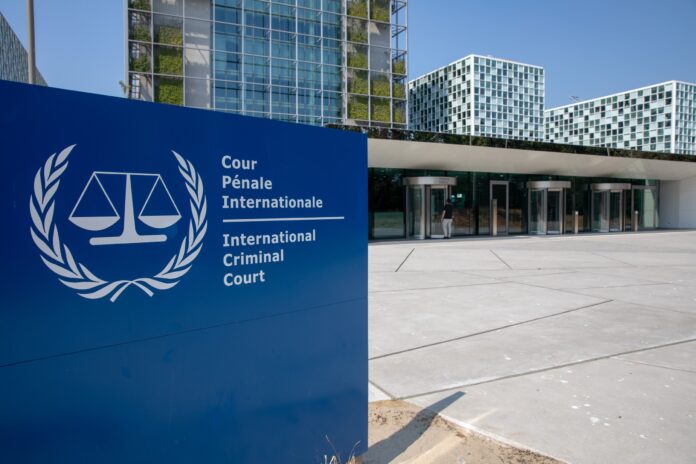
Girls remain barred from school beyond grade six. Taliban spokesperson Zabihullah Mujahid said in an interview published on 25 August that there are “problems and considerations from Sharia perspective” and that scholars must first agree. The ICC Taliban warrants unsealed on 5 October concern the persecution of women and girls.
UNAMA also counted 33 civilian casualties from cross-border incidents in the quarter, 13 killed and 20 injured. One was a Pakistani airstrike in Kunar province on 21 September that killed three civilians, a woman, a man and a 16-year-old girl, the mission said.
The UN’s account carries no response from the Taliban authorities to the hunger findings, and neither report says how many of the women turned away at clinics and markets were seeking food or nutrition care.