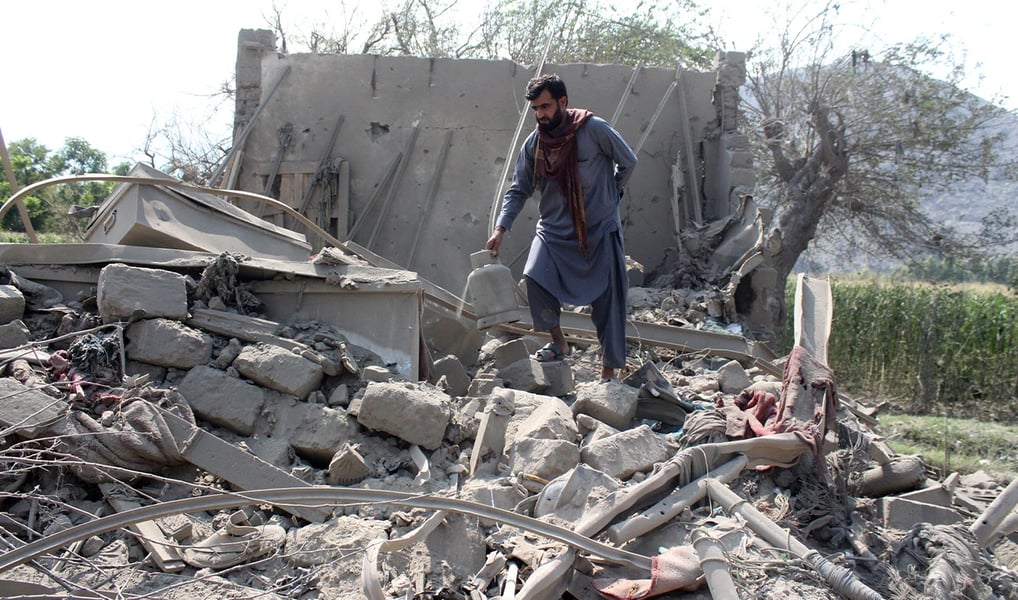
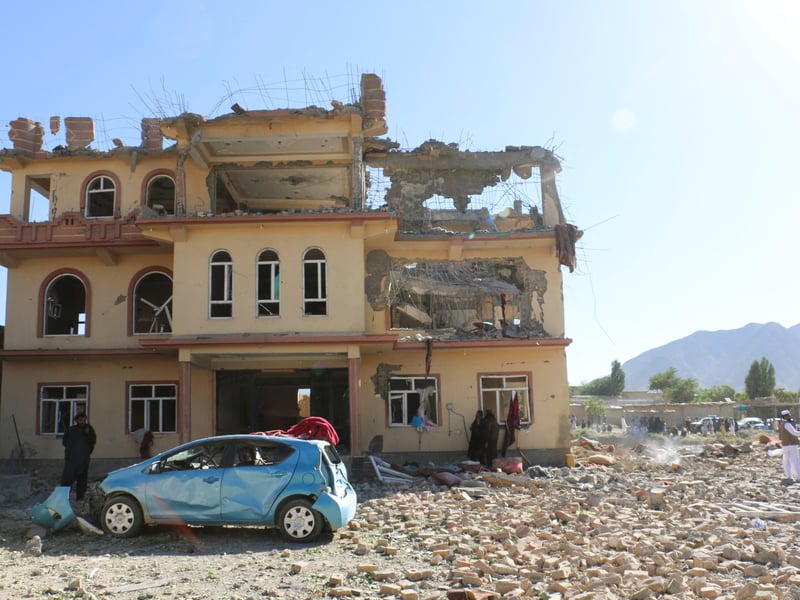
KABUL — Three members of the same family were dead before the first light reached Kunar province. Pakistani jet fighters struck the valley at around 3 a.m. on Monday, hitting residential buildings in the Nurgal district while households inside were asleep. By morning, Islamabad was telling a different story: its air force had killed 28 terrorists, eliminating what Pakistan’s Information Ministry described as cross-border militant hideouts along the Afghan frontier.
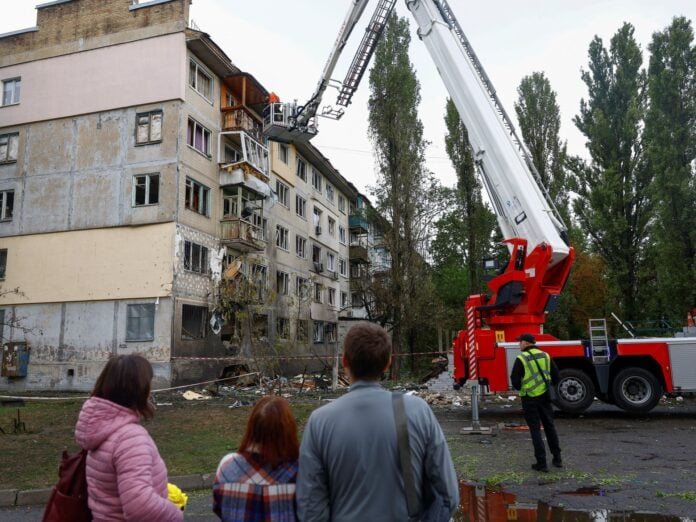
The Taliban administration in Kabul rejected the figure outright. Hamdullah Fitrat, the deputy spokesman for Afghanistan’s government, said the strikes hit a civilian home in the Nurgal area, killing three people and wounding at least four others from the same family. He described no armed fighters among the casualties. The contrast between Pakistan’s precise militant death toll and Afghanistan’s specific family casualties has become the defining feature of every round of cross-border strikes Islamabad has carried out this year.
Pakistan’s Information Ministry framed the offensive as a direct response to a September 18 bombing at a police mosque in the northwestern city of Kohat. That attack, claimed by the Tehreek-e-Taliban Pakistan, killed at least 21 people, nearly all of them police officers. Islamabad has accused Kabul for years of tolerating TTP fighters who plan and launch cross-border operations from Afghan soil — a charge the Taliban government has consistently denied.
Afghanistan’s acting Interior Ministry issued a sharper rebuke. Pakistani military forces had “once again flagrantly violated Afghan sovereignty,” the ministry said, attacking civilian residential areas rather than any militant infrastructure. The Taliban administration called on the international community to condemn the strikes and signaled that Kabul reserved the right to respond.
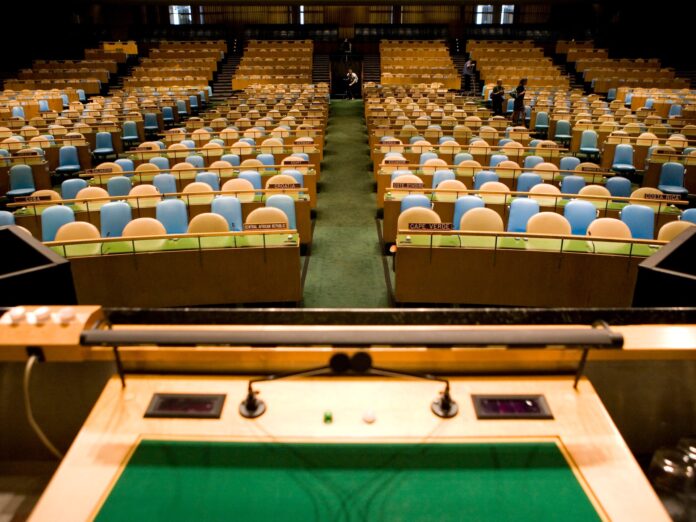
The strikes arrived as the United Nations General Assembly opened in New York, drawing world leaders into a week of summits and sideline meetings. Pakistan’s military action against Afghanistan landed without warning on the same morning, ensuring Islamabad’s airstrikes would be treated as a procedural complaint rather than an emergency on the General Assembly floor.
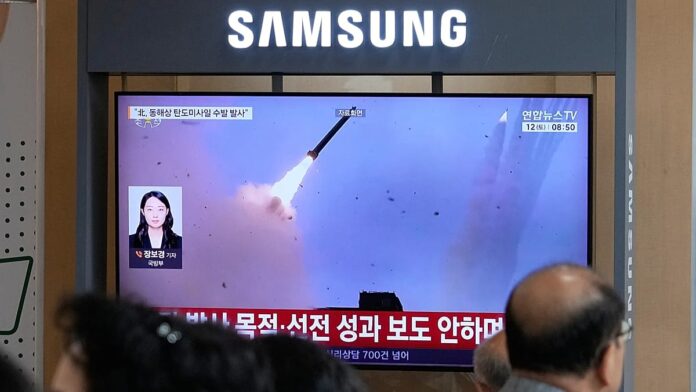
North Korea added to the crowded agenda by firing two ballistic missiles off its eastern coast on the same morning Pakistan struck Kunar, arriving at the General Assembly table with its own confrontation. The convergence of crises has left Afghanistan at the margins of global attention. Islamabad appears to have calculated that this week was a safe moment to act.
China, which has been the most active outside party attempting to broker a settlement between Islamabad and Kabul, had not publicly commented on Monday’s strikes by midday. Beijing has urged dialogue and hosted bilateral talks between the two sides, but each round of Pakistani airstrikes resets the diplomatic clock. Both countries are central to China’s regional connectivity ambitions, and escalating military confrontation between them is adding to the risk premiums already pushing oil prices higher across Asian markets.
The Kohat bombing has given Pakistani officials domestic political cover for the military response. Pakistan’s security establishment is under pressure to show it can protect its forces from cross-border attacks, particularly as TTP operations have intensified along the tribal border regions. But the pattern has produced a consistent outcome: Pakistan announces militants killed; Afghanistan reports civilian dead; no lasting reduction in cross-border violence follows.
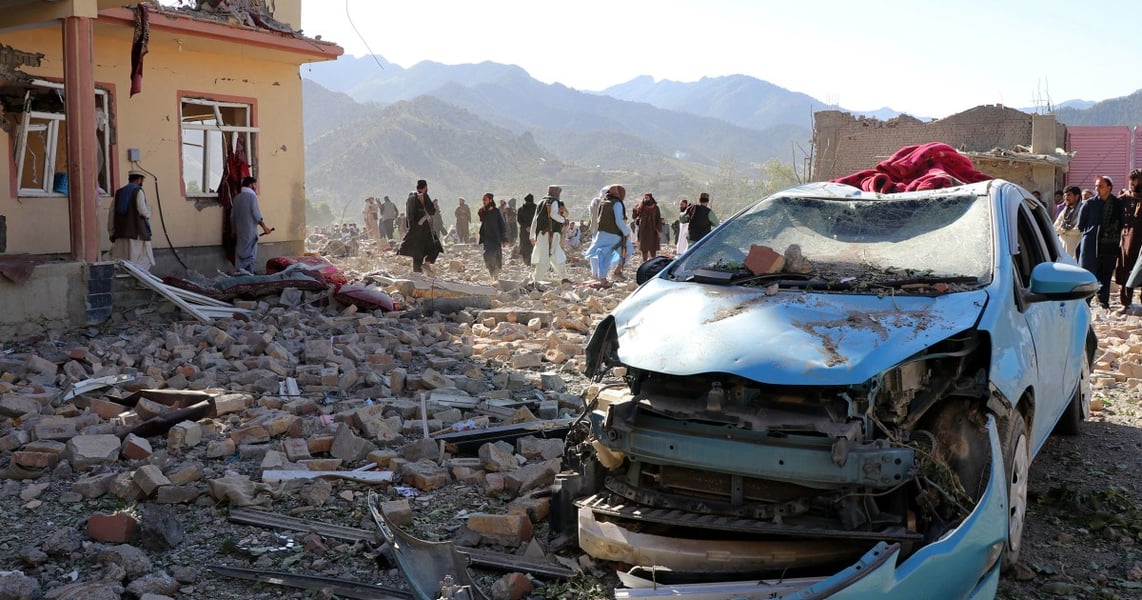
What neither government has publicly addressed is why four rounds of Pakistani airstrikes since January have not reduced TTP’s capacity to mount attacks. The Kohat mosque bombing was among the deadliest strikes on Pakistani security forces this year. Whether these air operations are eliminating fighters or deepening the conditions that sustain cross-border militancy is a question Islamabad has not engaged with — and the family in Kunar that woke to the sound of jets before dawn, and did not all survive it, has not been given an answer.