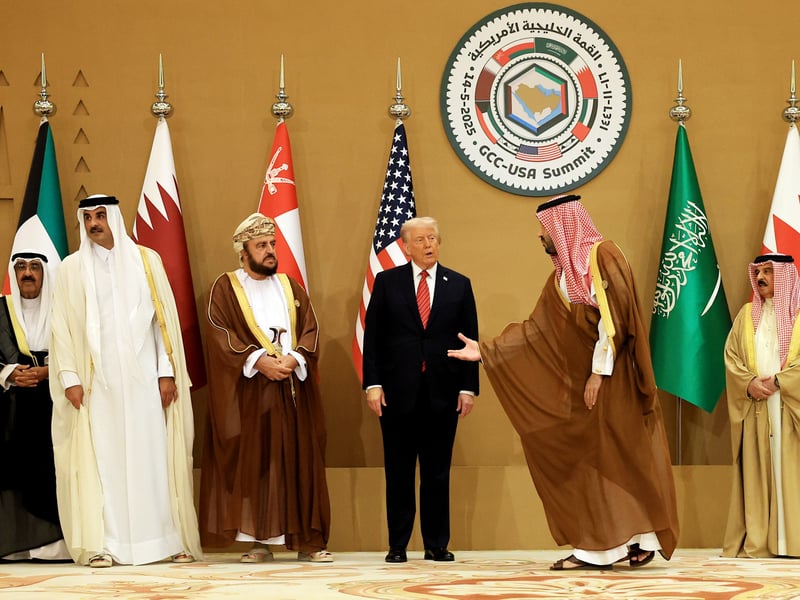

NEW YORK — The six leaders of the Gulf Cooperation Council arrived in New York on Monday having calculated, with some care, exactly what they needed from the American president they were about to sit across from. The calculation was harder than it looked. The man they were asking for protection against the consequences of the Iran war was the same man whose decisions had shaped the war’s current trajectory, and the man they needed to keep a robust military presence in the Gulf was the same one who had spent eighteen months signalling that American troops should come home.
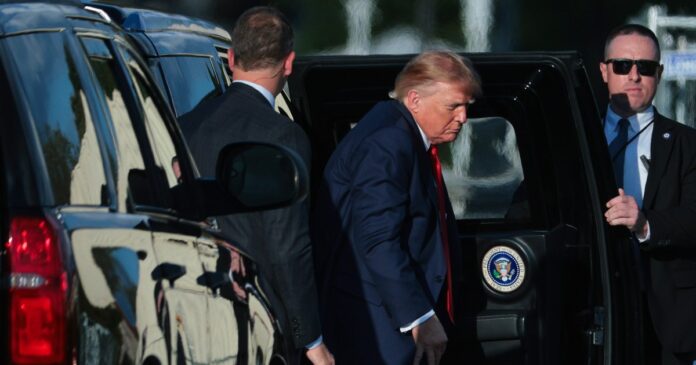
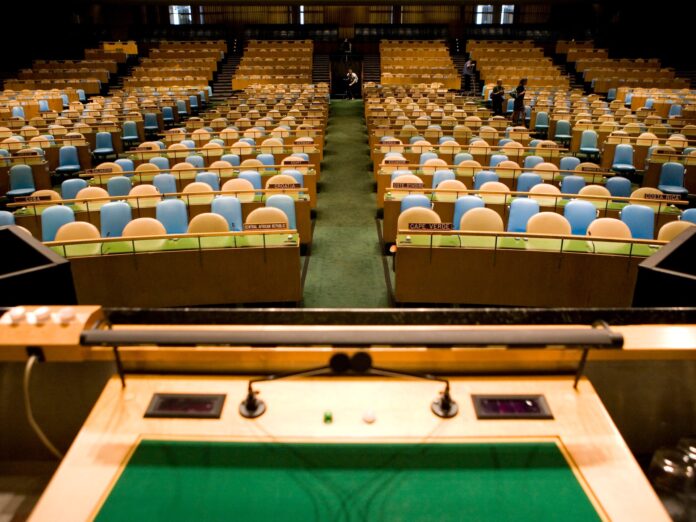
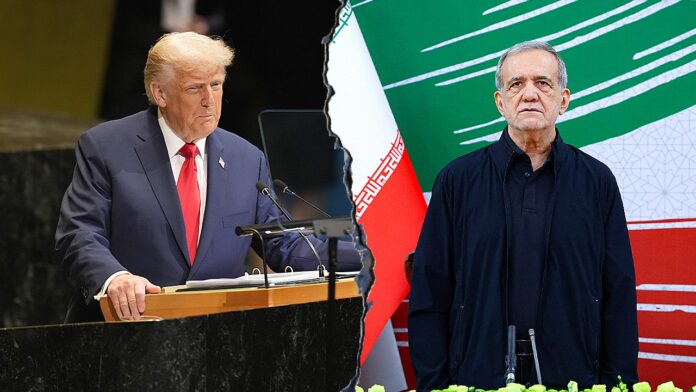
Trump convened the leaders of Saudi Arabia, the United Arab Emirates, Qatar, Bahrain, Kuwait and Oman on the sidelines of the United Nations General Assembly to discuss what Washington has been calling the war’s endgame. Gulf officials, speaking to journalists before the meeting, described two specific anxieties that had not changed regardless of how many bilateral sessions their foreign ministers had held with American counterparts: first, that Washington might launch another sustained round of military strikes against Iran that would bring Iranian missile salvos back to Gulf soil; and second, that a US deal with Tehran or simply a US loss of interest in the region would leave them exposed to an Iran that had survived the war without accepting any framework that protected Gulf interests.
Donald Trump‘s approach to regional security has been transactional in ways that leave Gulf governments uncertain which version of American commitment they are dealing with on any given week. The administration that provided Saudi Arabia and the UAE with intelligence support and air defense integration during the campaign against Iran is the same administration that in March transmitted a ceasefire offer to Tehran through Swiss intermediaries, a diplomatic initiative Washington did not fully brief its Gulf partners on before making. That March episode has not been forgotten in Riyadh or Abu Dhabi.

Qatar‘s Tamim bin Hamad Al Thani arrived carrying a structural proposal rather than a specific military demand. Doha has been conducting the most active back-channel diplomacy between Washington and Tehran of any Gulf state, and the security architecture Qatar has been promoting within the GCC, a common framework that would fold Iran and the Arab Gulf states into shared economic and security arrangements backed by US guarantees, is the most developed policy alternative to continued military escalation currently on the table. Whether Trump was willing to engage with it seriously, or whether the administration regards any post-war arrangement involving Iran as a domestic political liability, was the question Tamim had come to New York to answer.
The United Arab Emirates presented a third posture in the room. Abu Dhabi has opened its own track with Tehran separate from the Qatari channel. Senior UAE and Iranian officials agreed in principle to “turn the page,” as UAE presidential diplomatic adviser Anwar Gargash described it, language careful enough not to antagonise Washington while signalling that Abu Dhabi sees a future where economic relationships with Iran resume regardless of what the war’s formal outcome looks like. The divergence within the GCC (Saudi Arabia pushing for escalation, Qatar threading mediation, the UAE quietly re-opening contacts) made it difficult for the bloc to arrive at Monday’s summit with the unified position that analysts had said was the minimum required to move a transactional American president.

Bader Al-Saif, an assistant professor of history at Kuwait University, told Al Jazeera that the Gulf leaders would only be able to move Trump if they spoke with one united voice and brought very specific asks. The problem was that neither condition was met going into the closed session. The six leaders agreed on their fears more readily than they agreed on the remedies, and their domestic economic pressures, including Qatar’s curtailed LNG exports through the Strait of Hormuz, Kuwait’s reduced oil revenues, and Bahrain’s exposure to any resumed Iranian naval campaign, pointed toward divergent urgencies inside the same meeting room.
The sanctions architecture the administration has built around Tehran generated its own complications at the table. The Operation Economic Outcast campaign has been tightening around Iranian financial institutions and energy exports, but its secondary sanctions pressure reaches third-party trading relationships that Gulf states maintain with Tehran. Businesses in Dubai and Doha that have not fully unwound their Iran exposures face compliance risks their governments manage without publicly acknowledging.

Washington has presented normalization as a central element of the region’s postwar order, but publicly endorsing it while Gaza’s death toll remains so high would expose Gulf leaders to substantial domestic and regional criticism. Saudi Arabia has consistently tied normalization to an irreversible path toward Palestinian statehood, and no such pathway appeared in the documents described.
That left a sharp contrast with Trump’s declaration that the wars were nearly over. Gulf leaders appeared unconvinced—not only about whether the conflicts were ending, but also about whether they wanted to see the regional consequences if his assessment proved correct.