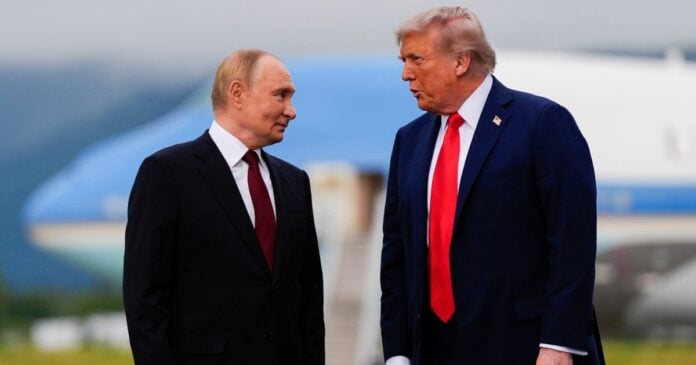
LONDON — Oil prices fell as traders anticipated the possibility of talks between U.S. President Donald Trump and Iran’s president during the UN General Assembly’s high-level week.
Brent crude declined for a fourth consecutive session to $101.71 a barrel, its longest losing streak in three months. West Texas Intermediate briefly fell below $100, reaching $98.15 for the first time since August.
The four-day decline suggests markets believe the risk premium added after the Iran–Israel conflict escalated in late August has peaked. That judgment remains provisional: if the anticipated diplomatic contact fails to materialize or produces no progress, crude prices could quickly regain the premium.
For now, the UN gathering has had a stronger calming effect on oil markets than any OPEC statement in recent months.
“The geopolitical risk premium that has been supporting oil prices is deflating a little,” Tim Waterer, chief market analyst at KCM Trade, said. “UNGA diplomacy is doing real work.”

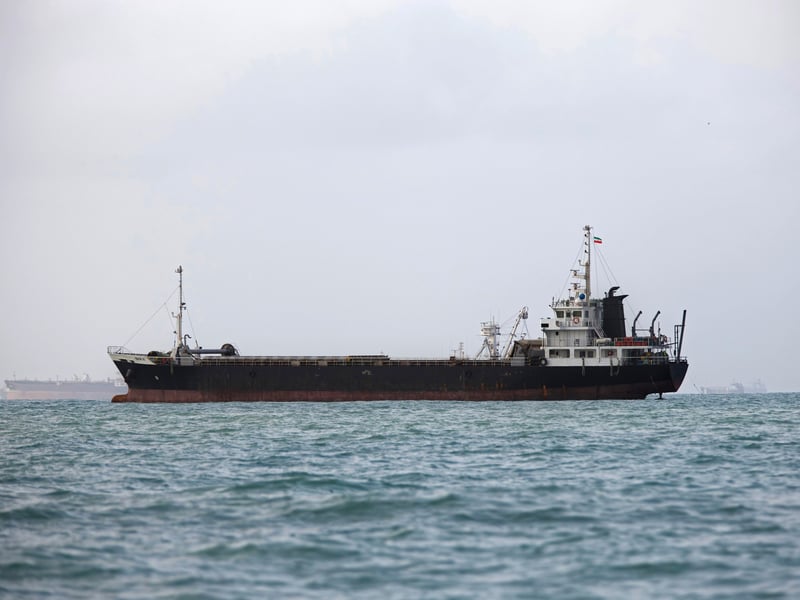
That recovery reflects the resilience of the kingdom’s alternative routes as much as any reduction in Houthi activity. The Houthi strikes on Gulf shipping corridors that convulsed tanker markets through August have not resumed at the same operational tempo. Whether that reflects a strategic decision in Tehran or a logistical limitation in Sanaa is a question the oil market has declined to answer. At $101.71 Brent, the price move says it does not care which.
The diplomatic front is more ambiguous. Trump said Sunday he was open to meeting Masoud Pezeshkian on the sidelines of the General Assembly, a statement carefully worded to preserve deniability while signalling willingness. The Iran-Trump UNGA diplomacy track, channelled through Oman and Qatar for weeks, has brought both governments close enough to a conversation that the possibility itself is now priced into crude.
Neither Washington nor Tehran has confirmed a meeting will take place. The market has decided not to wait for confirmation.
There is a second diplomatic variable traders are pricing simultaneously. The Trump-Xi summit is set for Thursday in New York, with Bessent‘s pre-summit talks in Washington producing what officials described as a framework for a tariff truce extension. S&P 500 futures rose 0.6 percent on Monday, Nasdaq 100 futures added 0.8 percent. A market pricing simultaneous de-escalation with both Iran and China does not need $110 Brent.
OPEC has not altered its production targets in response to the four-day slide. At $101.71, Brent remains well above the fiscal breakevens of most Gulf producers, and no emergency meeting has been scheduled. The calculus changes if prices continue lower through the week.

Traders will be watching every corridor in New York this week for evidence that the optimism was justified.