
SALALAH — The most serious diplomatic effort to reopen the Strait of Hormuz collapsed before the delegates arrived.
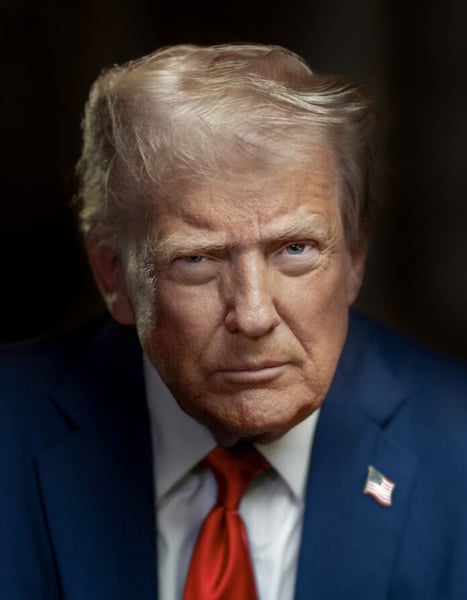
Oman’s Foreign Minister Badr Albusaidi announced on Saturday that the regional security conference he had spent three months assembling — a gathering of Iran and all six Gulf Cooperation Council states in this southern port city — was being postponed indefinitely. He offered no new date. His stated reason, “in the interest of consensus,” is diplomatic phrasing for a meeting that had already fallen apart.
Bahrain had declined to attend, making its conditions explicit: full restoration of diplomatic ties with Iran before it would sit at any table. Arab News reported that Manama had circulated a written position to GCC partners the previous week insisting that any deal on Hormuz must guarantee free passage for all ships without discrimination, fees, or requirements for permits. Saudi Arabia, whose delegations had traveled to Salalah, raised last-minute objections to proposed amendments to the Oman-brokered shipping corridor arrangement. The six-member bloc that would need to negotiate as one had, in practice, split.
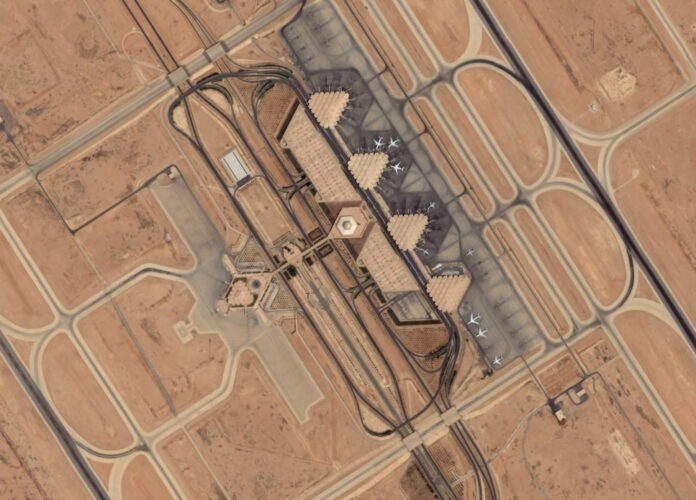
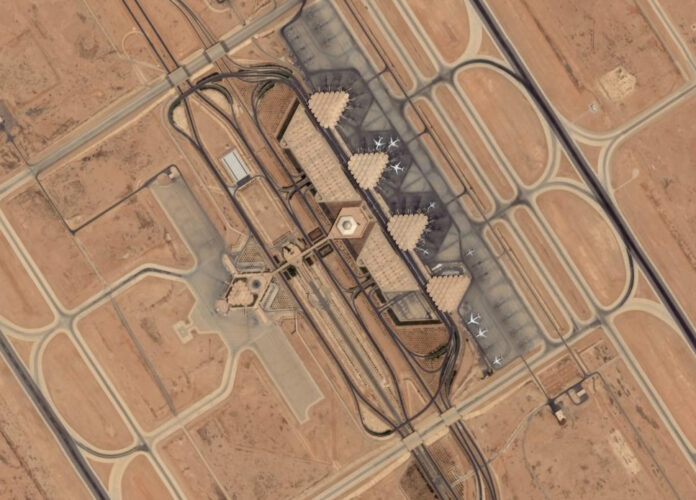
The same afternoon, Yemen’s Houthi forces fired three ballistic missiles at King Khalid Air Base in southern Saudi Arabia. Whatever momentum the Salalah talks might have recovered narrowed further with each missile that landed.
Brent crude rose to $108.02 per barrel Monday morning, extending a rally that has carried oil prices 18 percent higher in September alone. The Strait of Hormuz, effectively closed since Iran’s Revolutionary Guard halted most commercial traffic in February, has removed approximately 20 million barrels of daily supply from global markets. The East-West pipeline through Saudi Arabia, the kingdom’s main alternative export route, has been shut since drone strikes from Iraq hit it on September 10. The Salalah framework was, briefly, the most promising signal that a partial solution might still be possible.
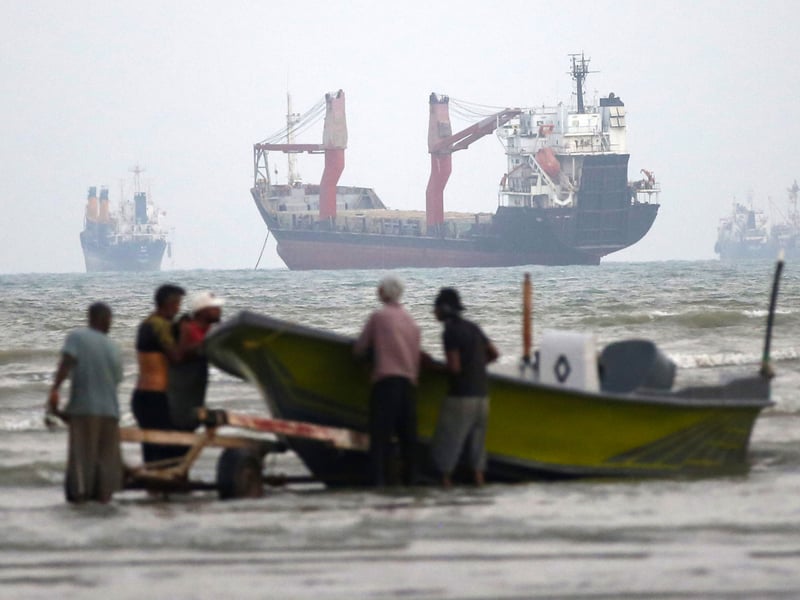
Oman has declined to abandon its role. Muscat’s position since the war began in February has been distinctive: the sultanate has maintained formal ties with Tehran, offered its port facilities for indirect Iranian-American technical exchanges, and proposed the corridor arrangement that was tested in July, when a container ship ran aground near Hengam Island. Iran cited that accident as proof of enforcement problems with Oman’s proposal. Albusaidi has not withdrawn the offer. He said only that the time is not right.
The harder question is whether the time will become right before the cost of keeping the strait closed becomes politically unbearable for the countries absorbing its damage most directly.
The strait carries roughly 20 percent of the world’s liquefied natural gas and 17 percent of total petroleum liquids. Its closure has been the primary driver of a Brent crude rally that has pushed prices from $71 in January to $108 this week, raising energy import costs for South and Southeast Asian manufacturers, squeezing Sub-Saharan African economies dependent on fuel imports, and contributing to inflation pressures that have pushed American consumer confidence to its second-lowest recorded level. The countries absorbing the most damage are not parties to the conflict and have no vote in its resolution.
RFE/RL, citing a source close to the Omani delegation, reported that the final breakdown came when Bahrain’s foreign minister declined to join even a working-level session framed as a purely technical discussion of shipping safety, language specifically designed to give Manama a path to participation without requiring a formal diplomatic reopening with Tehran. Bahrain would not participate, its minister reportedly said, in any forum that could be construed as normalizing Iranian control of an international waterway.
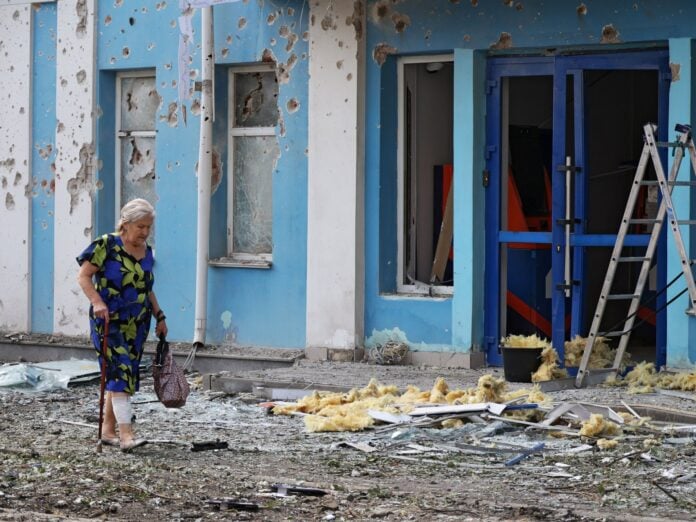
Whether Iran’s current negotiating posture would survive another postponement is a separate question. The Salalah navigation deal, a smaller framework signed on September 13, in which Iran and Oman agreed on a provisional corridor for non-US, non-Israeli flagged vessels, represented work by Iranian moderates within the Pezeshkian government who have resisted Revolutionary Guard pressure to close the strait entirely. An Iranian cargo vessel was struck near Hengam Island on the same day, an incident hardliners used to argue the corridor was unenforceable. If a second collapse follows, that moderate position becomes harder to sustain.
Saudi Arabia’s objections to the corridor amendments were, according to a Gulf official who spoke to Al Jazeera, primarily about fee structures and vessel classification rather than opposition to dialogue with Tehran in principle. Qatar’s diplomatic outreach has received a cautious welcome in Riyadh. That distinction, between the substance of the deal and the politics of appearing to normalize Iranian maritime authority, may be the only opening the region’s mediators still have.