
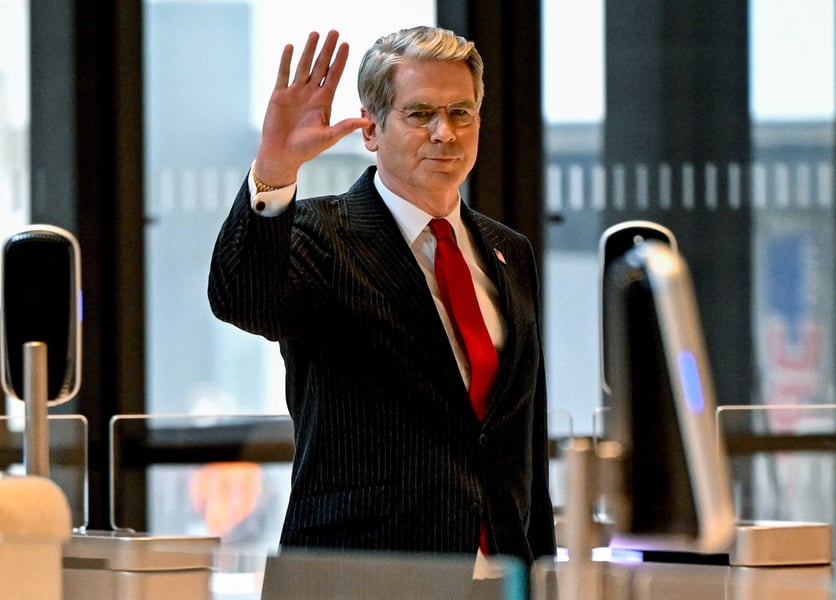
NEW YORK — The relief that Scott Bessent handed Wall Street on Monday morning was exactly the kind that had been missing for three weeks.
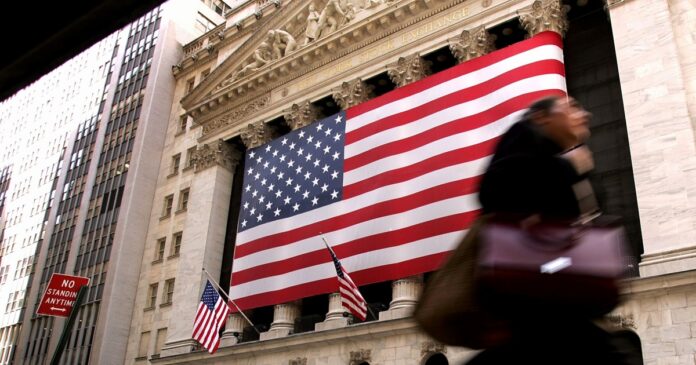
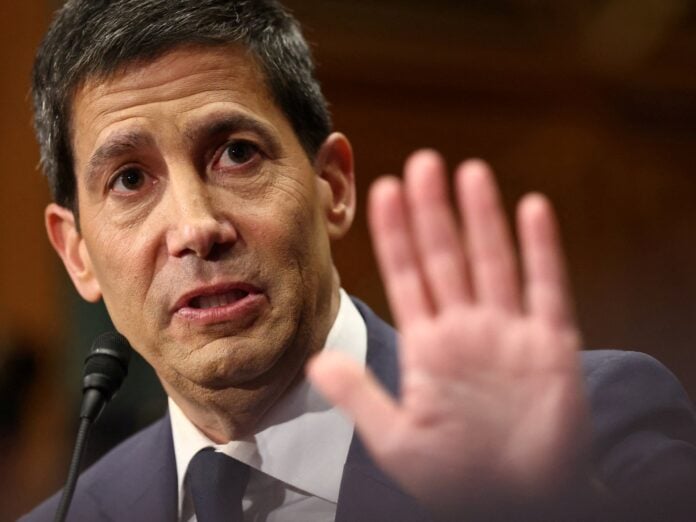
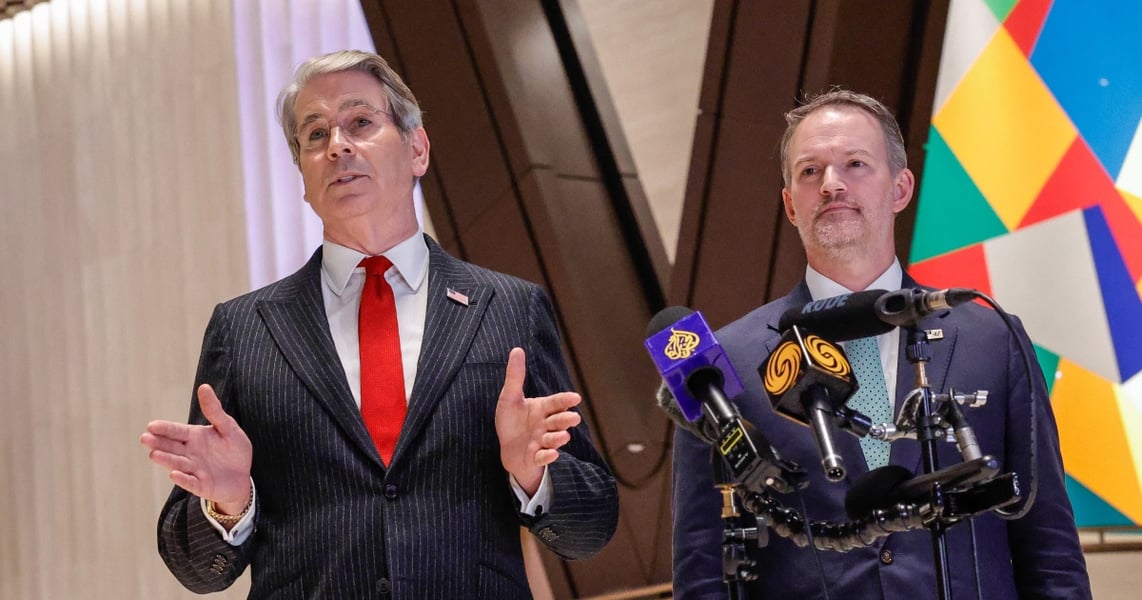
Speaking to reporters outside the InterContinental New York Barclay hotel after hours of talks with China’s Vice Premier He Lifeng, the US Treasury Secretary called the session “very successful” and confirmed both sides had agreed to establish a bilateral working group on AI risks. For a market still processing the Federal Reserve‘s first rate increase since 2023, the signal was bracing. S&P 500 futures climbed 0.42 percent, Nasdaq-100 futures added 0.58 percent, and Dow futures ticked up 0.36 percent before the opening bell — a tentative move higher after a week that left the Dow posting a third consecutive weekly loss.
It was not a recovery. It was, depending on your risk tolerance, the beginning of one.
The week ending September 19 was among the worst of the year for equities. The Federal Reserve voted unanimously on September 16 to raise the overnight funds rate by a quarter point, bringing borrowing costs to a target range of 3.75 to 4 percent — its first hike since 2023. Fed Chair Kevin Warsh, in his post-decision press conference, named Brent crude trading above $104, sustained by Houthi strikes on Saudi oil installations, as a persistent inflation input the central bank could not simply wait out. Updated projections penciled in at least one additional rate increase before year-end. Fed funds futures were pricing roughly 42 percent odds of two further hikes in 2026, a signal that moved through equity valuations within hours.
Triple witching Friday compounded the selling. The quarterly simultaneous expiration of stock options, stock index futures, and index options saw close to $2 trillion in positions roll off, according to Seeking Alpha, amplifying every directional read. The S&P 500 finished the week at 7,551.81. The 10-year Treasury yield struck 5 percent, a level not reached since November 2023.
A 5 percent 10-year yield changes the cost of borrowing across the economy — repricing thirty-year mortgages, recalibrating leveraged buyout math, and sending corporate treasurers back through capital expenditure plans. In Japan, sovereign yields moved in sympathy — uncomfortably, given that Washington has been pressing Tokyo for faster defence spending, a request Japan’s bond market greeted with visible unease.
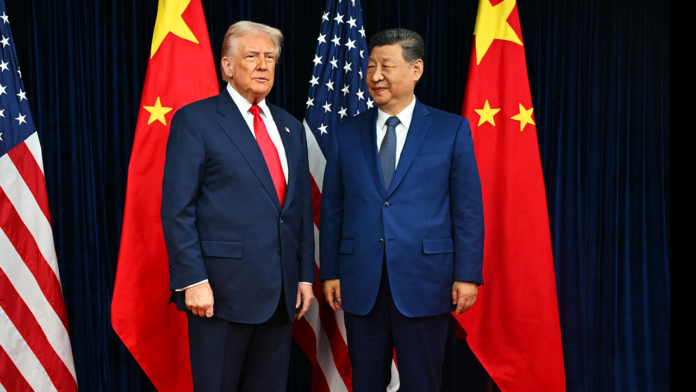
The week is organized around two pending collisions. The first is the Trump-Xi summit in Washington on Thursday. The US-China tariff truce negotiated last year — which halted an escalation that had pushed tariffs above 100 percent on both sides — expires November 10. There is no automatic renewal. Whether the two leaders agree to extend it, narrow its scope, or allow it to lapse will shape the cost of semiconductors, rare earths, soybeans, and shipping contracts between the world’s two largest economies. Boeing, soybean producers, and manufacturers dependent on Chinese rare earths face direct event-driven exposure.
The artificial intelligence component of Sunday’s talks drew separate attention in markets. A bilateral dialogue framework on AI risks and goals, agreed in principle by both sides, could influence how US export controls on advanced chips are applied going forward. Any clarity on the scope of restrictions on high-end semiconductor exports — whether tightened or eased — would reprice the chip sector within hours of any announcement Thursday.
What no model has priced cleanly is the interaction between the two. A Trump-Xi deal that delivers real tariff relief could reduce imported goods inflation and narrow the justification the Fed needs to hike again — sparing corporate supply chains from two simultaneous rounds of financing pressure. The gap between that scenario and the current one is the width of what two leaders say to each other Thursday in Washington. That, and whether the Houthis read the diplomatic calendar the same way Bessent does.