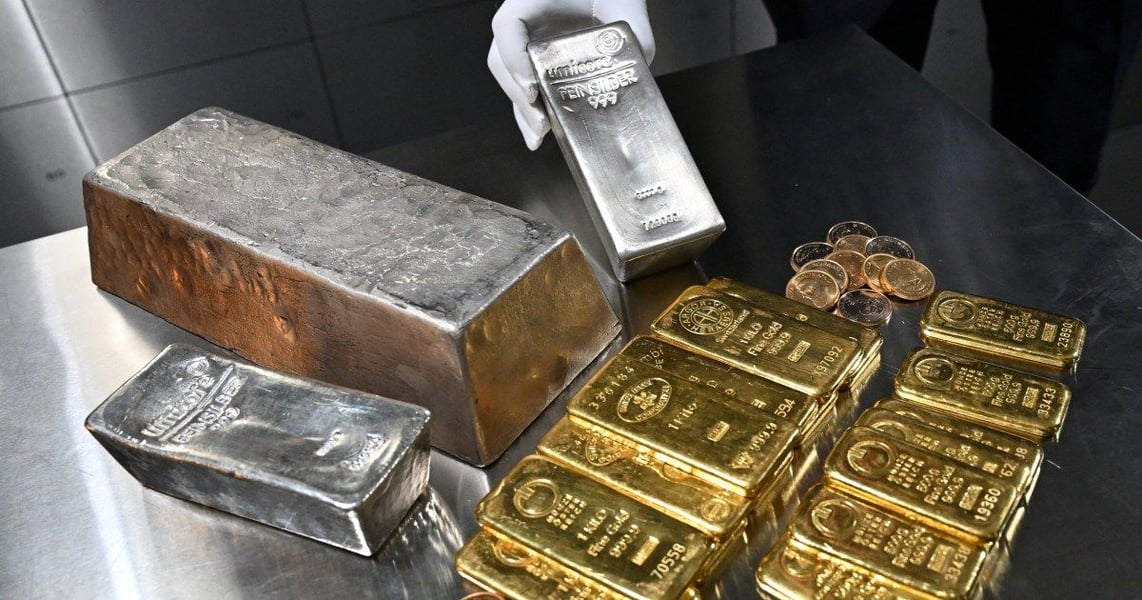

NEW YORK — Gold ended a four-week losing streak last week as falling oil prices eased one of the main arguments for prolonged Federal Reserve tightening: the inflation pressure embedded in energy costs.
Brent crude dropped 4.21% for the week, its sharpest weekly decline in months. That retreat gave gold some relief from the twin pressures of a hawkish Fed and a stronger dollar.
Spot gold reached roughly $4,390 an ounce on Friday before settling near $4,375–$4,380, its highest level in a week. The move did not eliminate the broader monetary headwinds, but it showed how quickly a decline in energy prices can alter the market’s inflation calculus.
The gain does not resolve the central tension. Kevin Warsh‘s Federal Reserve raised its benchmark rate to 3.75-4.00% on September 16-17, a unanimous 12-0 vote and the first increase since 2023. Rate hikes are structurally bearish for gold; they lift the opportunity cost of holding a non-yielding asset while simultaneously reinforcing the dollar’s purchasing power, which moves inversely to bullion under most market conditions.
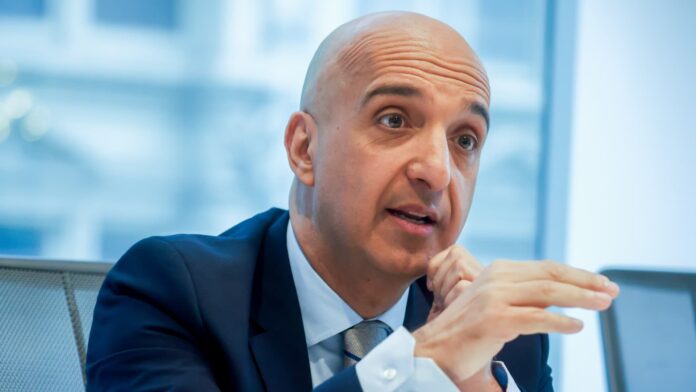
David Meger, director of metals trading at High Ridge Futures, framed the dynamic plainly. The gold market had been “tied very closely to an inverse relationship with energy prices based on those inflationary pressures,” he said. Then energy prices fell “fairly dramatically” last week, and with them went “some of that pressure on the gold market.” The sentence describes not a bull case for gold but a removal of one bearish input. Those are different things.
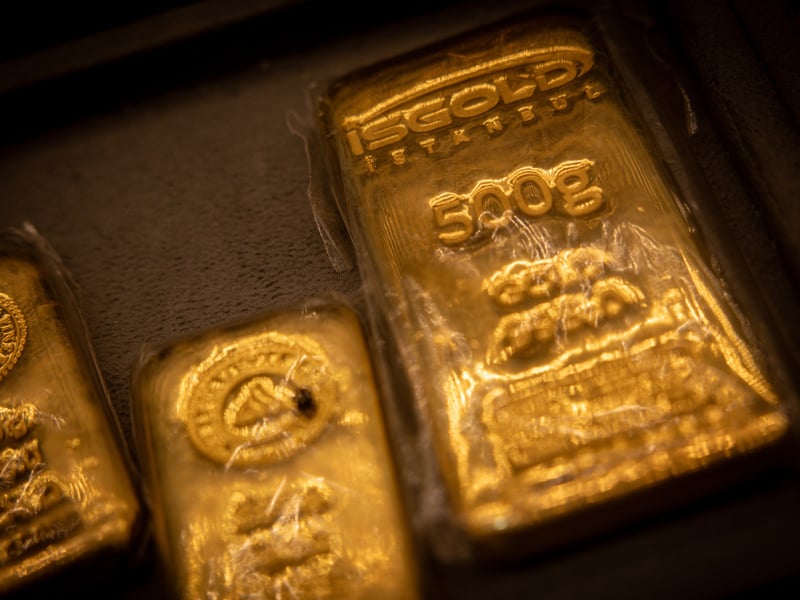
The distinction matters because oil is the pivot. Brent crude has not stopped at the level that warranted Friday’s rally. WTI crude has slipped below $100, and the proximate cause, UNGA-season diplomacy and the easing of Gulf tensions as talks continue in New York, could be temporary. If diplomatic optimism fades and production constraints reassert themselves, energy prices recover, inflation expectations widen again, and the argument for further Fed tightening gets louder.
That is where the Iran war risk premium becomes the deciding variable. Through most of September, elevated threat perceptions in the Gulf had embedded a geopolitical surcharge in crude benchmarks that, paradoxically, also hurt gold by keeping inflation elevated and the Fed hawkish. As UNGA diplomacy eased that surcharge, oil fell and gold’s correlation with inflation expectations shifted in its favour. If the diplomatic window closes, the floor disappears at the same speed it arrived.

The week’s gain looked different through the equity lens. S&P 500 futures were up 0.6% and Nasdaq 100 futures 0.8% on Monday morning, lifted partly by optimism surrounding a Trump-Xi summit whose contours had been shaped in preliminary Treasury Department talks. Stocks and gold normally trade as competing risk-on and risk-off expressions. A week in which both gain suggests the gold move was driven by the removal of a specific bearish input, oil-driven inflation pressure, rather than by any broad flight to safety. Safe-haven demand, which would normally accompany the level of geopolitical tension still present in the Gulf, was conspicuously muted.

Gold’s first weekly gain in a month is real data. It is not confirmation of a trend. The metal is suspended between a central bank that just moved and an energy market that is still moving, and the next meaningful number belongs to neither.