
NEW YORK — Iran has fought the United States for seven months and secured nothing binding on paper, yet when President Masoud Pezeshkian’s delegation touched down in New York this week, they arrived with valid American visas in hand, a quiet signal that neither capital has entirely closed the door it keeps threatening to lock.
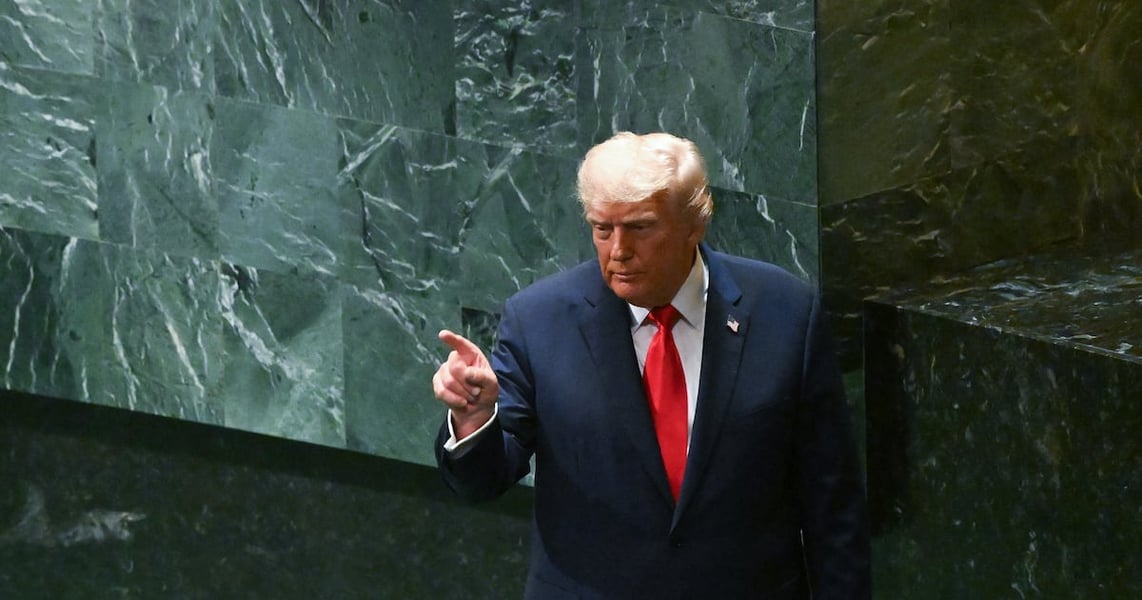
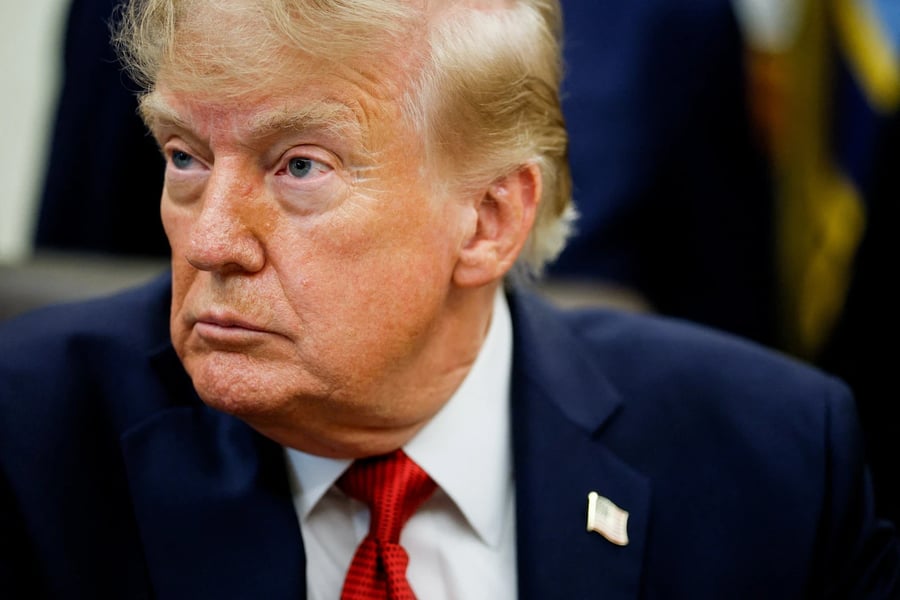
Donald Trump told Fox News on Sunday that he was “probably open” to meeting Pezeshkian on the sidelines of the United Nations General Assembly, adding that he was in what he called “deciding mode.” He described the options before him without irony: wiping Iran out, allowing its economy to rot, or striking a deal. Very big things, he said, were coming.
Brent crude slid to $101.67 a barrel on Monday, down 2.12%, marking four consecutive sessions of decline, the longest losing streak since the June ceasefire memorandum collapsed, according to The National. Traders were pricing in the possibility of direct presidential contact for the first time since talks broke down over the summer. At the war’s pressure peak in April, Brent had touched $125; the contract’s arc since mirrors every round of Iran diplomacy, falling when talks look plausible and surging when they don’t.
That the conflict has not escaped diplomatic reach is due in no small part to Qatar, which has acted as the primary channel between Tehran and Washington since hostilities began. Doha’s foreign ministry this week urged both parties to “exercise wisdom and return to the negotiating track,” a carefully worded statement that confirmed the mediation channel remains open. Qatar’s position as host of the United States’ largest air base in the Middle East, while simultaneously maintaining historic ties with Iran, makes Doha’s mediation less an act of regional altruism than of strategic necessity.
Iran’s formal conditions for any deal have not changed since June. Tehran wants active military operations ended, frozen Iranian assets released, the naval blockade on its ports lifted, and American military involvement in the broader region curtailed. The Islamic Republic’s military complicated that diplomatic framing on Sunday by announcing that its intelligence had detected preparations for a new large-scale American strike, a claim that functions simultaneously as a warning and as a pre-emptive narrative in the event hostilities resume.
The Islamabad Memorandum, signed by both presidents on June 17 following Qatari-brokered negotiations, established a 60-day window to finalise the terms of an end to hostilities. Iran says the United States violated the agreement by refusing to lift the naval blockade on schedule. Washington says Iranian proxy networks never stood down as required. Each side’s version of who broke the ceasefire has become its own contest, diplomatic rather than military, but no less charged.
Iranian Foreign Minister Abbas Araghchi is among the six-person delegation in New York. Their movement is confined to a six-block radius in Midtown Manhattan under restrictions imposed by the Trump administration, as Eastern Herald reported on Sunday. Araghchi is expected to use his General Assembly address to lay out Tehran’s account of the ceasefire breakdown and to press the case that sanctions relief must come before any presidential meeting.
Trump speaks to the General Assembly on Tuesday. Pezeshkian is scheduled for Wednesday. Arab News reported that Iranian officials said a direct encounter would require written American guarantees on sanctions as a precondition, a bar that, if held, would prevent the encounter Trump described himself as “probably open” to. The gap between a public signal of willingness and a scheduled meeting is where such diplomacy frequently ends.
What the week at the United Nations leaves unresolved is also, in some ways, its defining feature. Seven months of war, a shattered memorandum, an oil market that has moved forty dollars a barrel on the temperature swings of this conflict, and an American president who described annihilation and deal-making in consecutive sentences as if they occupied the same decision tree. Tehran has sent its head of state to argue that one of those outcomes is preferable. Whether Washington is genuinely in deciding mode, or whether the phrase was calibrated to move markets and a news cycle, will become clearer before the week is out.