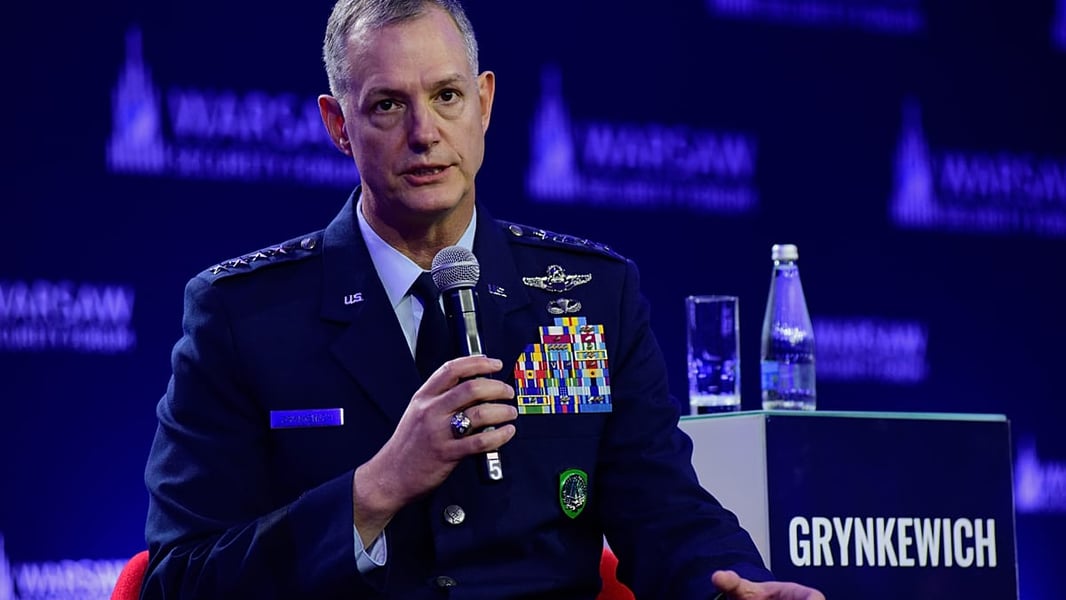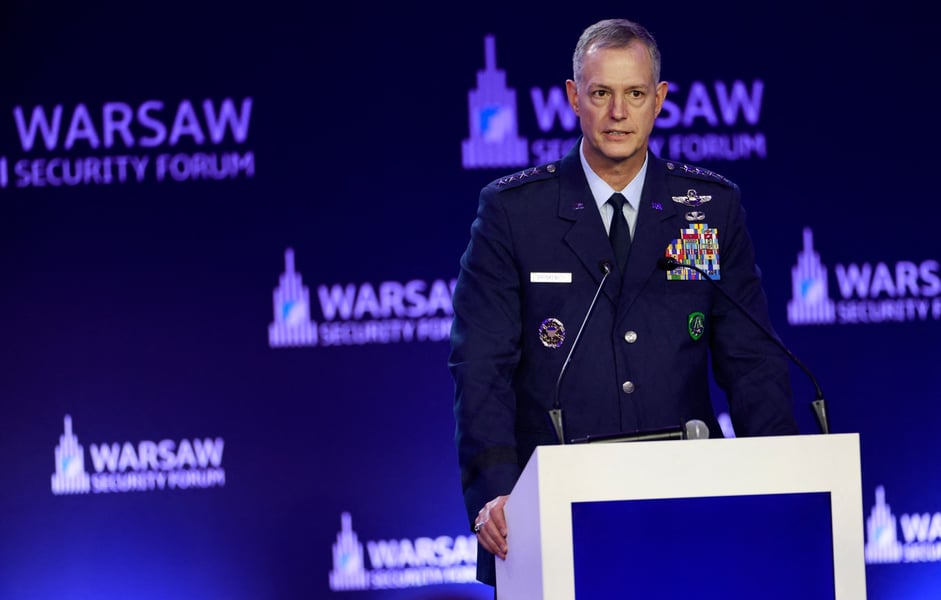

WARSAW — The general who told Europe on Monday that any attack on NATO would prove “utterly futile” is also the officer who was due last month to give the Pentagon its first analysis of a plan to pull up to 40,000 American troops out of the continent.
Gen. Alexus Grynkewich, NATO’s supreme allied commander in Europe, used the Warsaw Security Forum to lay out what he called a theory of victory. Block the initial attack, he said. If it persists, blunt it. If required, break the enemy’s forces and the warfighting system arrayed behind them. Grynkewich said NATO would “in short, ensure any attack, against any ally, proves utterly futile,” Al Jazeera reported.
He did not name Russia. He said a conflict was neither imminent nor inevitable, and that all 32 allies had endorsed a classified version of the plan about three months ago. Yet he also said that “if attacked, we are ready to fight tonight,” a line he framed as reassurance for the one billion people under the alliance’s umbrella, Euronews reported.
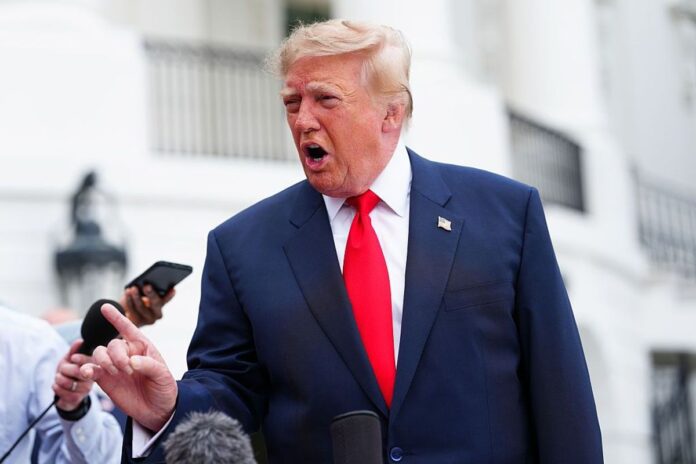
That promise leans on American forces, and that is where the speech meets its own contradiction. Grynkewich also commands US European Command, and the Pentagon review he was feeding is weighing a Pentagon troop withdrawal from Europe of 25,000 to 40,000 of the roughly 80,000 American troops stationed there. Its final recommendation is due November 6, the day after the US midterms. No decision has been made. Trump has already reversed course once, when he ordered 5,000 more soldiers to Poland in May after halting a deployment.
The shape of the plan is more concrete than the speech. The Wall Street Journal’s account, relayed by Meduza, describes an “autonomous zone” of drones and ground robots on the eastern flank to slow an advance, followed by long-range missile strikes on command posts and air defences in Kaliningrad, near St. Petersburg and in Belarus, so that US Army V Corps and other ground forces can counterattack. Grynkewich said NATO would target “anything and everything that supports, sustains and controls that force,” and Reuters read that as a signal of retaliation well beyond the area attacked.
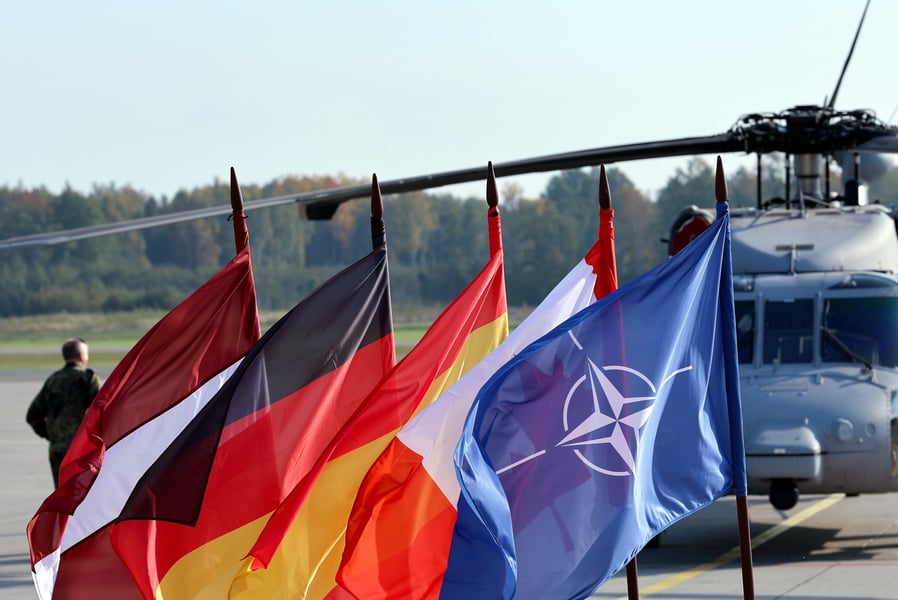
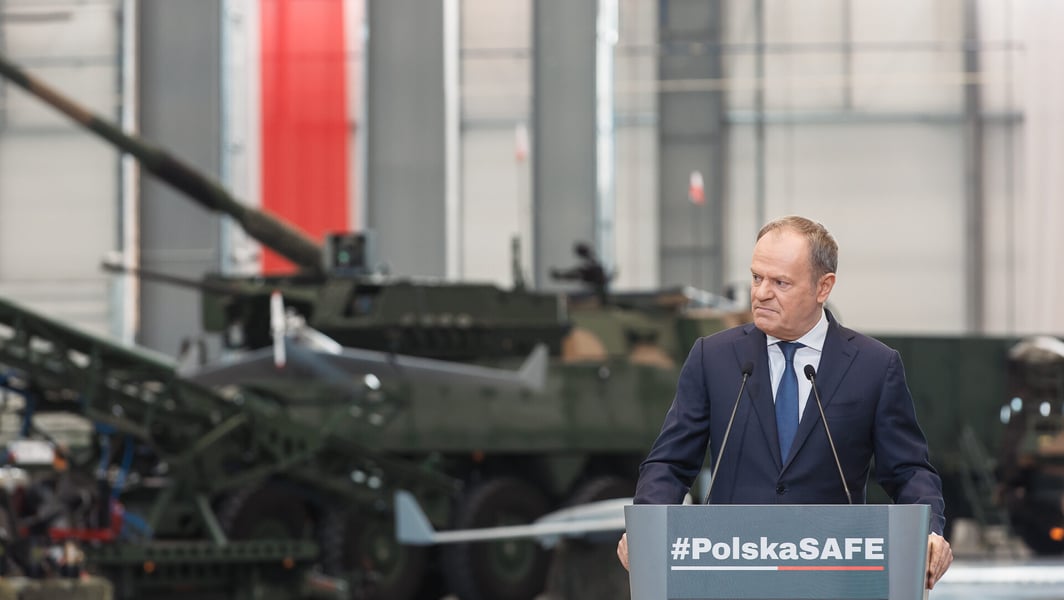
Poland’s Tusk, in the opening keynote, said Russia wants to dismantle Europe’s security architecture “so that Russian dominance returns to the state it was before 1989,” and that “the path to peace does not lie through weakness,” Breaking Defense reported. The message, he said, must go out “from every capital, from Warsaw to Washington.” In September Tusk had warned that Russia was planning accidental drone strikes to test Article 5, and Poland’s foreign minister, Radosław Sikorski, warned that allies must prepare for a deadly Russian hybrid attack. Grynkewich conceded that the incidents had left allied publics “a bit nervous.”
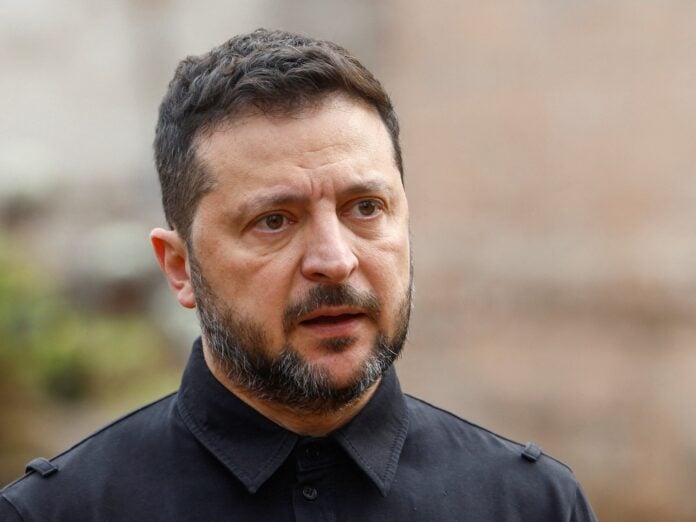
The figures behind the plan are thin. Meduza reported that the Steadfast Duel exercise, running during the speech, involved more than 20,000 personnel over 10 days and simulated about one million NATO troops repelling an equal-sized army from the east. None of the accounts gave numbers for the drones and robots the autonomous zone would need, or a range for the missiles that would reach Kaliningrad. Ukraine’s Zelensky, addressing the forum by video, did not wait for the plan. He said Moscow kept striking Ukrainian cities despite Trump’s claim that both sides had agreed to spare energy targets, and urged Washington to apply “real pressure” instead of concessions, a day after Trump announced an oil deal with Russia.