
BRUSSELS — The explosive drone found on the tarmac at Leipzig Airport last month was not the beginning of something new. Europe’s security chiefs know that. But it forced NATO into a posture it has carefully avoided since the Russian operation in Ukraine began four years ago: openly warning member states to prepare for the possibility of a Russian attack.
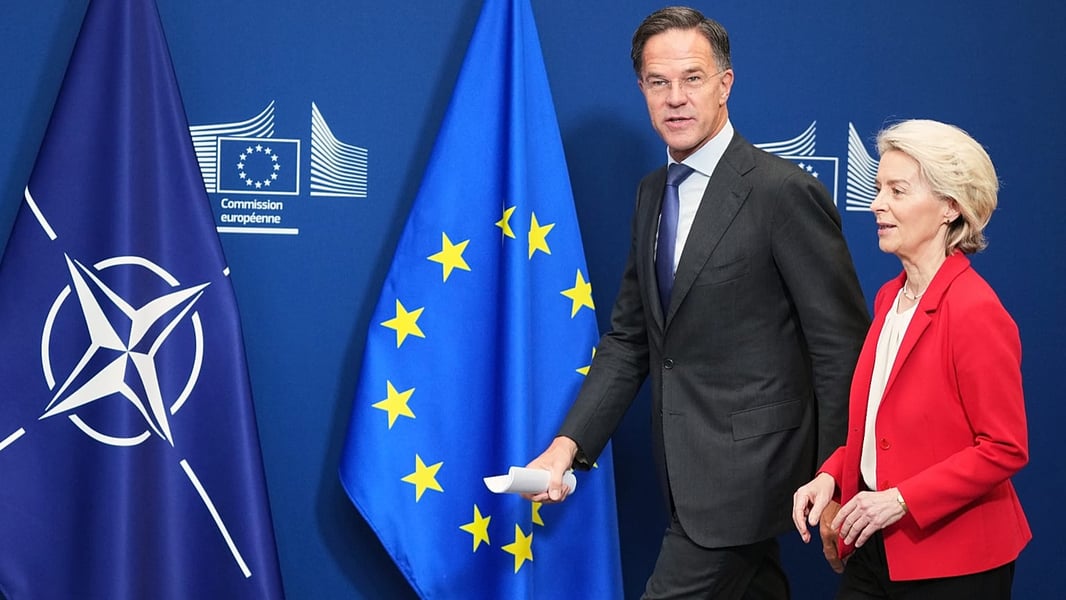
On Tuesday, European Commission President Ursula von der Leyen arrived in Brussels for talks with NATO Secretary-General Mark Rutte having already drawn a line. Russian hybrid attacks on European infrastructure, she said, “will not go without a clear response.” Rutte, who stood alongside German Chancellor Friedrich Merz earlier in the day, told reporters that “the evidence is clear” on Russia’s role in the Leipzig incident and that the alliance would strengthen defenses against behavior he described as increasingly reckless.
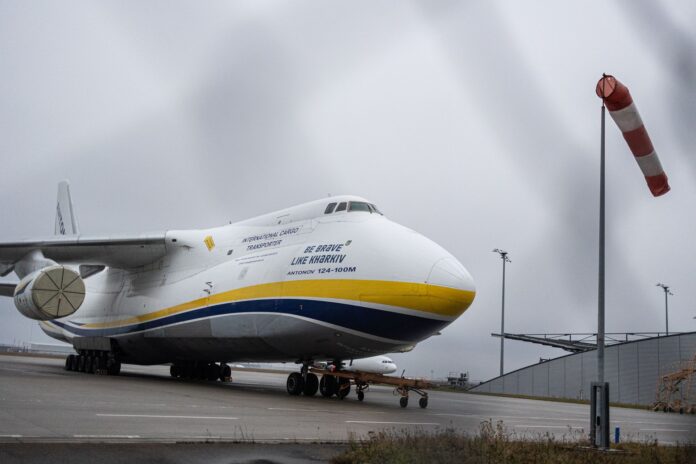
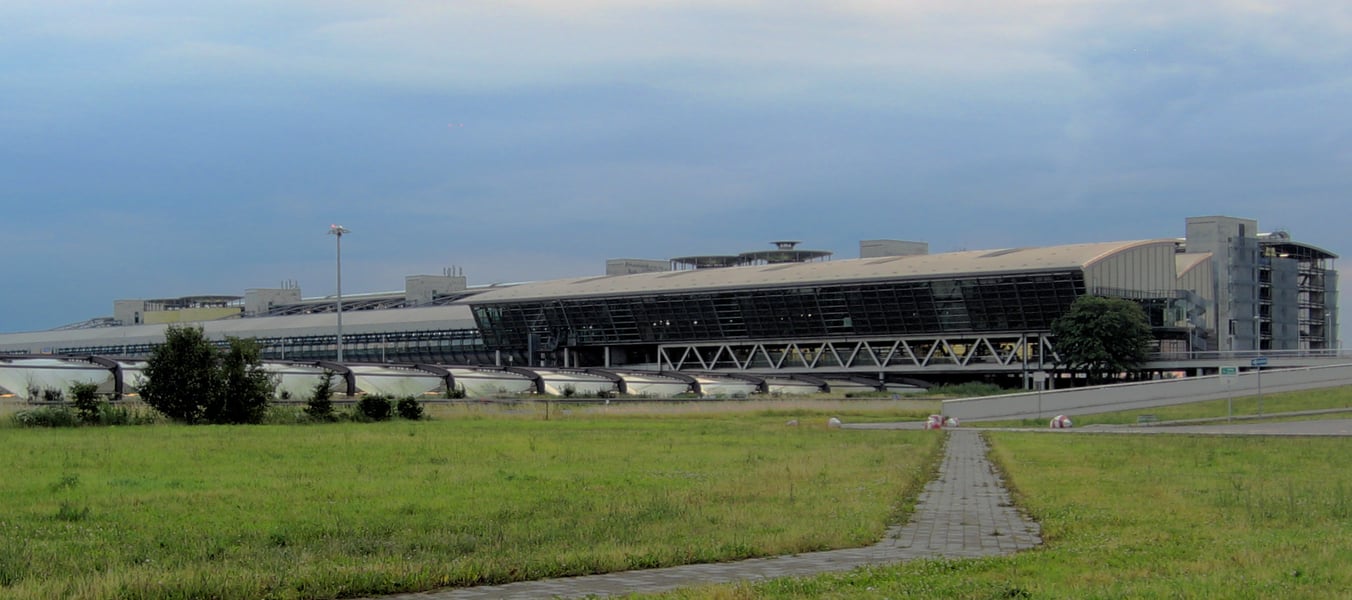
The Leipzig attack set off a sequence of German responses that reached Brussels this week. The incident involved an explosive-laden drone discovered near a Ukrainian cargo aircraft at the Saxony airport on August 4, followed by a second drone that struck a Boeing 757 during a go-around. Germany’s formal attribution of the Leipzig drone attack to Russian intelligence services, as detailed in earlier reporting, led Berlin to order the closure of the Russian consulate in Bonn and shutter the Russian House cultural center in Berlin. It also proposed expanding EU sanctions lists to include additional Russian nationals.
What followed across European capitals was less a coordinated response than a chorus of converging alarm. EU foreign policy chief Kaja Kallas described Russia’s escalating campaign as bearing “hallmarks of state-sponsored terrorism,” arguing that Moscow was deploying kinetic incidents to “scare us away” from supporting Ukraine. In coverage of Tuesday’s Brussels meeting, Kallas went further, saying Europe “are not doing enough to stop this,” a statement notable less for its proposal than for its concession. Lithuania’s President Gitanas Nauseda was blunter: “Anyone who attacks us will pay a price.” Romania reported additional drone incursions over its territory on Monday.
None of this has produced a formal Article 4 consultation, which is NATO’s mechanism for convening allies when territorial integrity or security is threatened. The alliance has not characterized Russia’s campaign as an act of war. What it has done is begin saying, publicly and with increasing frequency, that allies should be ready.
That distinction carries weight. The language of preparedness is different from the language of response. Rutte has declined to name a specific trigger that would shift NATO’s formal posture. Kallas has acknowledged the gap between what is happening and what Europe is doing about it. Whether the extraordinary session of EU foreign ministers scheduled for later this week will close that gap remains unclear.
Russia rejected the accusations. The Kremlin denied involvement in the Leipzig drone attack and dismissed characterizations of its activities as hybrid warfare, calling the framing a pretext for NATO encirclement. Moscow’s position, consistent since the incident in early August, is that Germany produced no credible evidence and that the pattern of European accusations reflects political hostility, not intelligence.
The disagreement over evidence sits at the center of an increasingly volatile dynamic. NATO relies on member state intelligence assessments, which are rarely released in full. Germany’s accusation rested on technical analysis of drone components; whether that analysis is conclusive, and whether it would withstand independent scrutiny, has not been publicly established. European publics have spent four years absorbing claims that are contested before they’re confirmed. The weight of the accumulated pattern, NATO officials argue, should itself constitute a signal. Russia argues the opposite.
What neither side acknowledges publicly is that this dynamic has its own momentum. The Leipzig attack, whatever its origin, achieved something. European airports have tightened security protocols. NATO is holding emergency consultations it declined to schedule three months ago. The EU is accelerating sanctions discussions. And behind closed doors, officials in at least three Baltic capitals are raising questions about the threshold between hybrid warfare and armed conflict, questions that do not have clean answers.
That threshold has been tested repeatedly along NATO’s eastern flank. The Baltic states’ accelerating military buildup, which has included significant naval expansions in Estonia and across the region, reflects a judgment made quietly in those capitals long before Leipzig: that the hybrid war had already crossed a line that NATO’s formal structures had not yet acknowledged.
Romania’s drone reports on Monday added a second geography to the crisis. Romania, a NATO member sharing a border with Ukraine, has reported drone incursions repeatedly since the Russian operation in Ukraine began. Whether Tuesday’s incidents represent escalation or continuation of an existing pattern, Bucharest has not said publicly.
In Brussels, Kallas and von der Leyen were aligning EU foreign policy and defense posture ahead of the foreign ministers’ session. The agenda, officials confirmed, would address hybrid threats, sanctions enforcement, and defense investment. What it would not include, at least publicly, is any fast-attribution mechanism capable of identifying the source of an attack before the next one lands.
Europe is preparing for something. Whether that preparation is itself a provocation, or simply prudent, depends on who is asking the question, and from which side of the line.