
TEHRAN — Almost seven months into a war that has already forced the United States to acknowledge missile strikes on its intelligence infrastructure across the Gulf, Iran’s military command chose Monday to deliver a message calibrated not for the battlefield but for Washington’s threat calculus.
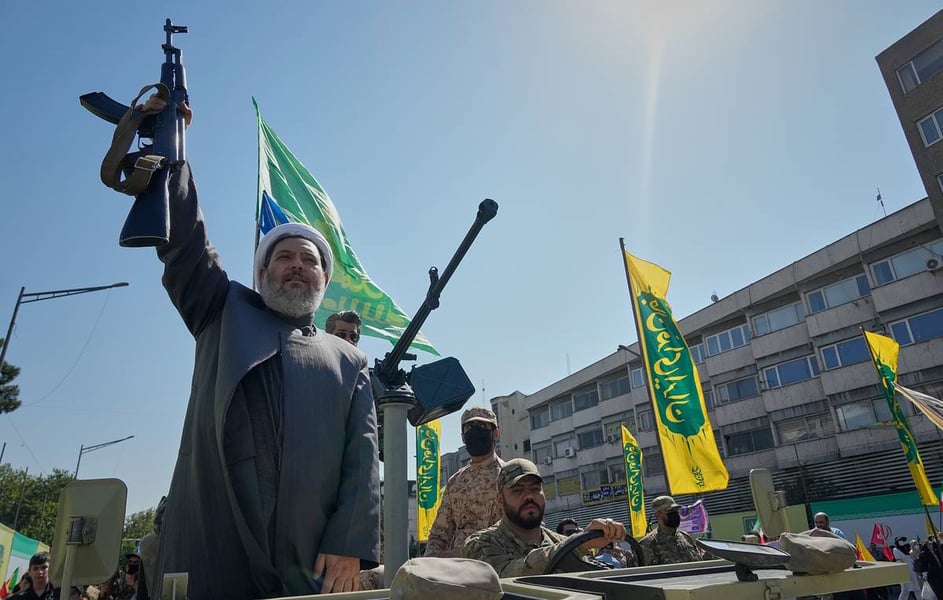
Brigadier General Hossein Mohebbi, spokesperson for the Islamic Revolutionary Guard Corps, told reporters that any future American attack would be met with weapons and a scope of retaliation his adversaries had not yet calculated. “We will bring new weapons with new capabilities into the battlefield, and the world will be astonished,” Mohebbi said. His country’s target list had changed as well. “Our targets are also no longer necessarily the same as the previous targets. We have new targets that have not yet been struck.”
Mohebbi’s message was a warning rather than an explicit threat to restart the war. He portrayed what renewed conflict would look like from Iran’s perspective and suggested that the version of the conflict already experienced by the United States was the outcome Washington should have preferred.
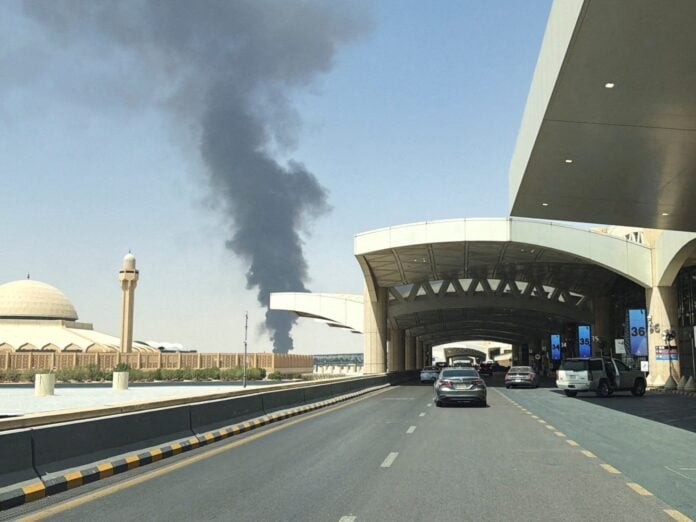
On September 2, the IRGC launched missile and drone operations against U.S. positions in Jordan, Bahrain, and northern Iraq. The corps later said the strikes hit American intelligence centers in the Gulf. Mohebbi described the attacks as a “major intelligence defeat” for Washington, emphasizing both the strikes’ impact and their precision against facilities U.S. planners had regarded as protected.

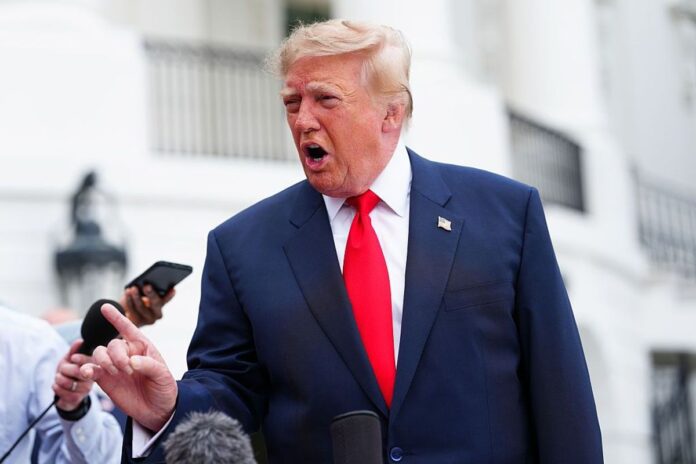
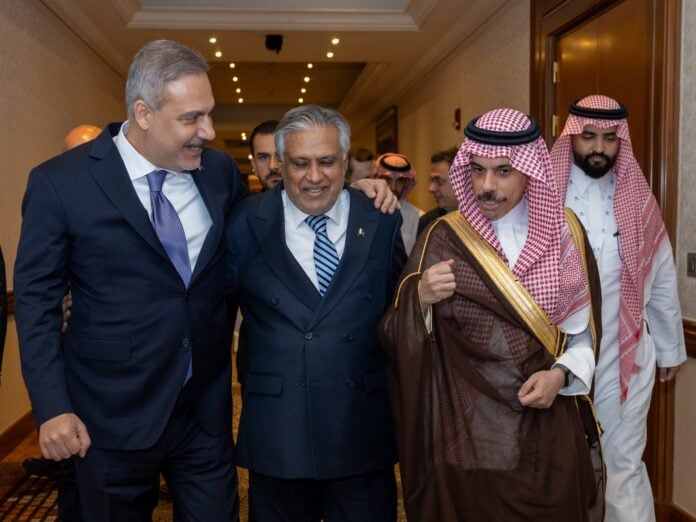
The timing of Mohebbi’s statement on Monday was not incidental. In New York, Donald Trump was assembling an expanded Arab coalition at the United Nations General Assembly, drawing in Iraq and Jordan alongside the Gulf Cooperation Council states for what his officials described as a post-war strategy session on Iran. Tehran watched that gathering and responded with a military press briefing the same morning. The two events shared a Monday dateline and represented, in different registers, the same underlying negotiation about whether this war continues.
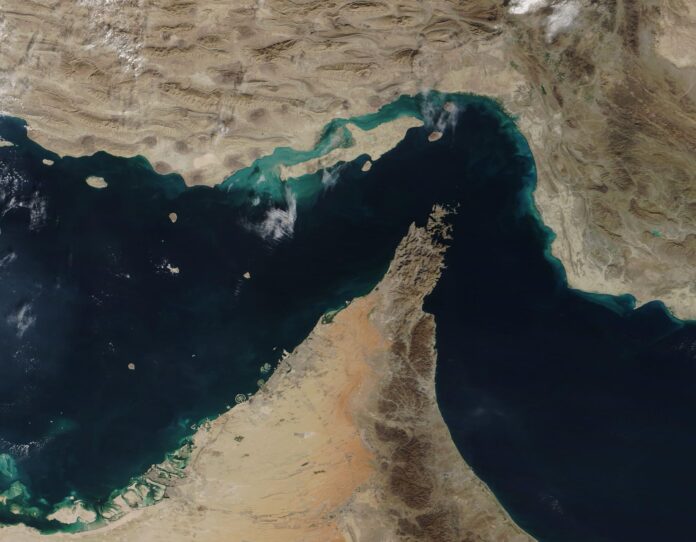
Mohebbi’s reference to a shift in the geography of war carried its own implication. The Houthi movement, which has functioned as Iran’s most active regional proxy throughout this conflict, seized control of the Bab el-Mandeb strait in early September, closing the last major oil export corridor not already under strain from the Hormuz closure. A genuine expansion of Iran’s deterrence architecture into the Red Sea, the Gulf of Aden, or pressure points further from the Gulf proper would make the geographic shift Mohebbi described operational rather than theoretical.

Al Jazeera‘s live coverage from Monday documented continued fighting in Yemen alongside the Mohebbi statement, reflecting a war that has never been limited to a single theater. TASS reported the full statement as Iran’s clearest escalation warning in weeks, noting the claim that Washington had suffered a “major intelligence defeat” in the September 2 operations. Oil markets have spent four consecutive sessions pricing in a declining Iran risk premium, with traders reading the UNGA gathering as a signal that a diplomatic opening may emerge. Mohebbi’s statement directly challenged that reading. The oil prices that have eased through this week reflect a market interpretation the IRGC appears determined to correct.