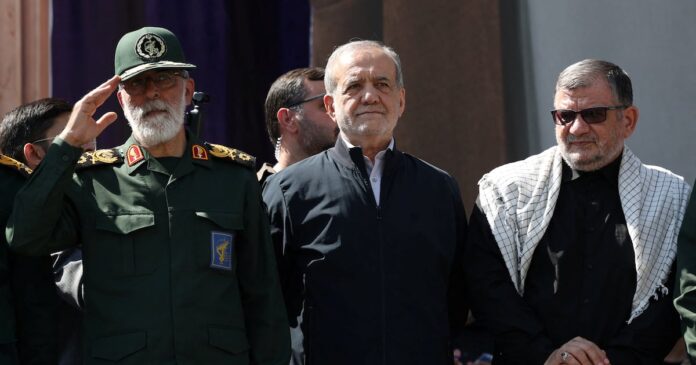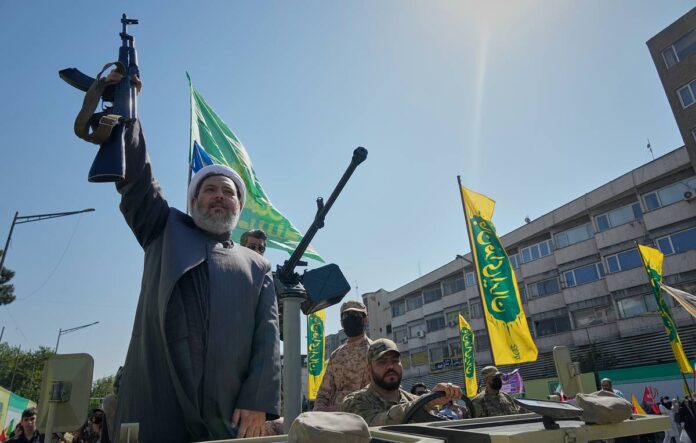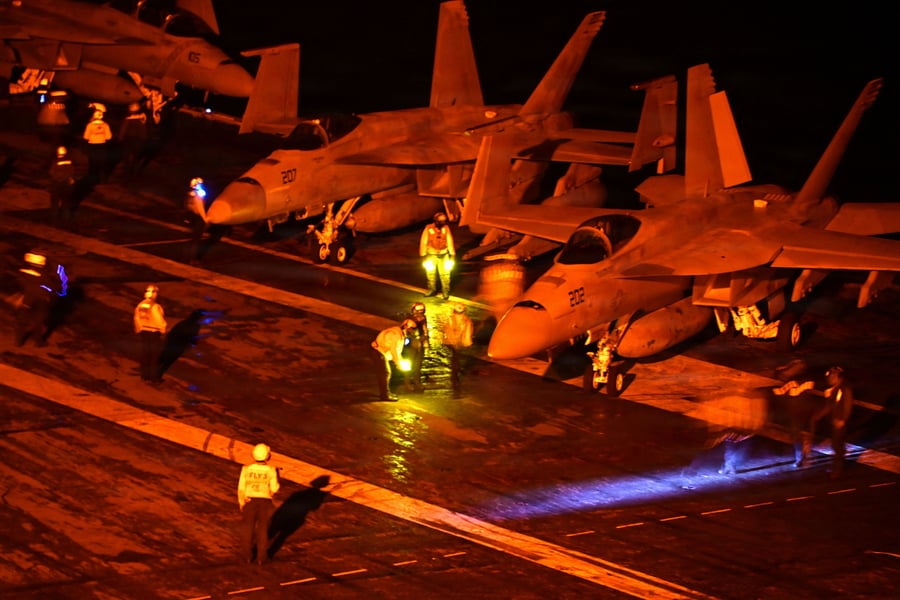

AMMAN — Iran’s Islamic Revolutionary Guard Corps claimed Sunday it had destroyed fighter jet depots at two American air bases in Jordan, the Iranian state broadcaster Press TV reported, one of the more specific targeting assertions Tehran has made since the conflict resumed its current intensity.
According to the report, the affected installations were King Hussein Air Base in northern Jordan and Al-Azraq Air Base in the country’s eastern desert, both facilities that have served as key hubs for US air operations throughout the wider Middle East. The IRGC provided no imagery or independent documentation of the claimed destruction, and the US military had not confirmed or denied the specific claims at publication time.
Fighter jet depots, hardened shelters and maintenance infrastructure designed to protect aircraft from attack, would represent a meaningful target if the claims hold. Damaging such infrastructure would degrade the ability of American air power stationed in Jordan to sustain high operational tempo over time, though the extent of any actual damage could not be assessed from publicly available information.
The claims come as part of a broader Iranian military operation. Press TV separately reported that Iran had fired missiles at American bases across West Asia and at US naval vessels through the Strait of Hormuz, the waterway that carries roughly a fifth of the world’s petroleum exports through a chokepoint that narrows to around 33 kilometers at its tightest. That maritime dimension had already put regional shipping on alert before Sunday’s Jordan strikes added a land-based targeting layer.
King Hussein Air Base, located in Mafrak in northern Jordan, has hosted American forces for decades and became particularly prominent during US operations in Syria and Iraq. Al-Azraq, closer to the Syrian border in Jordan’s eastern desert, has served as a staging ground for both surveillance and strike missions. Both remain central to the US military’s regional posture in a seven-month Iran-US conflict with no resolution in sight.
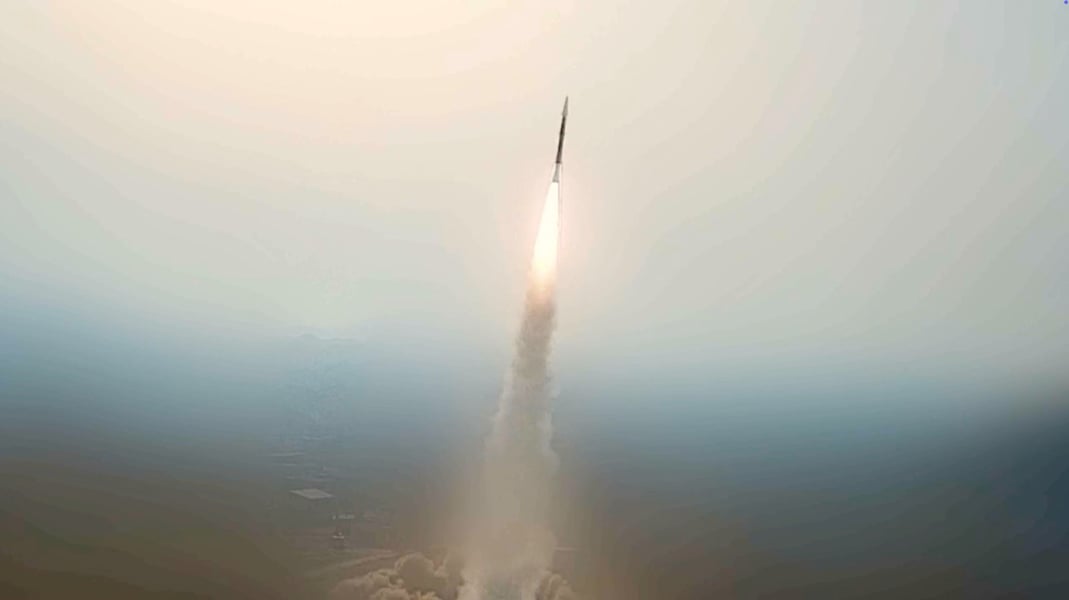
The IRGC’s public assertion serves purposes beyond whatever military effect was achieved. It signals to Iranian domestic audiences that the force is actively contesting American military power in the region. It places the United States in the position of either confirming damage, which it has no interest in doing, or staying silent, which leaves the claim standing. It also sends a message to Jordan: that hosting American air power makes its territory a potential target.
This is not the IRGC’s first strike claim against Jordanian-based American assets during the current conflict cycle. In earlier exchanges, similar assertions were made that US officials did not formally address. The pattern of Iranian claims without American acknowledgment has become routine enough that calibrating actual damage without independent verification is genuinely difficult.
Al Jazeera documented earlier this week that the six-month conflict had accumulated more than 400 individual strike events. Sunday’s IRGC claims added to that record without changing the fundamental dynamic: a conflict that neither side has demonstrated the will to end and neither has the capacity to resolve in a single exchange.
What the conflict has exposed clearly is that no agreement between Washington and Tehran has proven durable. The mid-June memorandum that was meant to halt the fighting lasted days before exchanges resumed. Sunday’s IRGC claims come against that backdrop, a context that makes every new escalation step consequential because it raises the floor from which any next de-escalation will have to begin.
Whether the Jordan strikes represent targeted pressure on a specific weak point in the US regional posture, or the opening of a deliberate wider campaign, could not be determined from publicly available information Sunday evening.