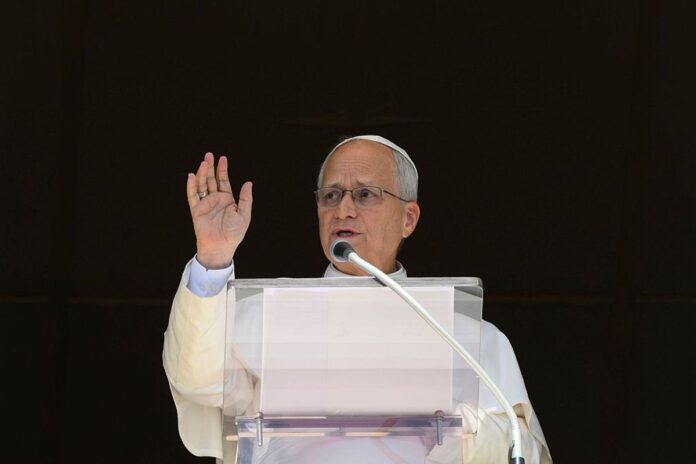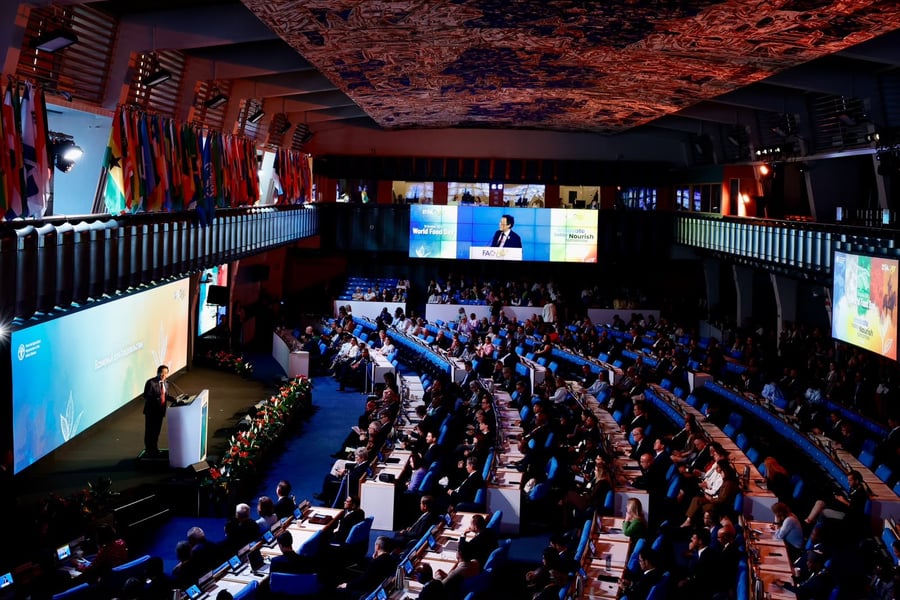

ROME — Pope Leo XIV told the Food and Agriculture Organization on Friday not to “settle for abstract analyses or declarations of limited effectiveness,” in a message read on his behalf at the agency’s own World Food Day ceremony. The message, dated Oct. 12, asked the FAO and its member states for “moral audacity.”
The ask was specific. “Bread should be neither an instrument of geopolitical pressure nor a volatile financial asset,” he wrote, and he urged that money invested in “the war industry” be redirected to agricultural research and soil repair. The numbers in the room sharpened the point: the FAO’s own Food Price Index averaged 136.0 points in September, 5.8 percent above a year earlier, a gauge FAO builds from a basket of traded commodities.
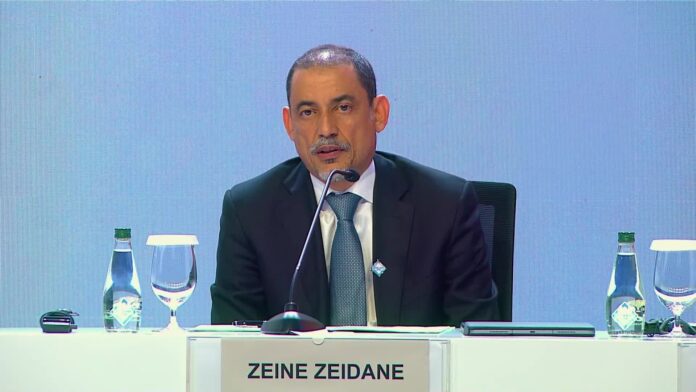
That is the tension of the day. Director-General Qu Dongyu built the ceremony around the theme “Innovate today. Nourish tomorrow,” telling delegates that “Innovation must serve people and improve lives.” The pope asked who innovation serves, noting that “grain markets are being optimized on stock exchanges” while seeds “fall into the hands of monopolies that suffocate small-scale farming.”
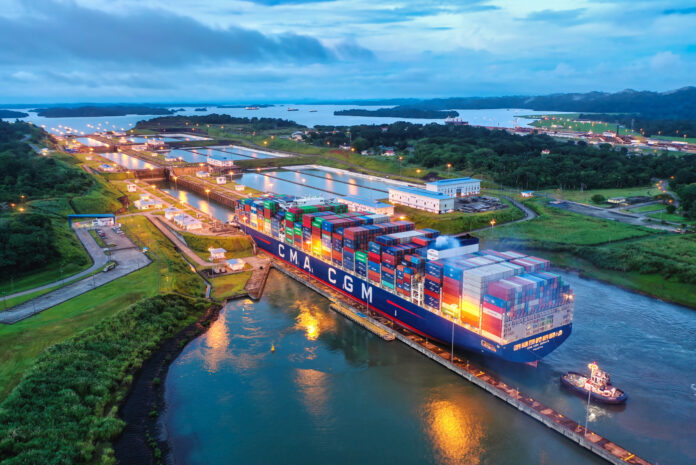
The price pressure is documented. FAO Chief Economist Máximo Torero said on Oct. 2 that “disruptions in the Strait of Hormuz and the Black Sea combine with climate shocks,” and that the strain “will soon pass through to consumer food prices, especially in food and energy import dependent countries,” FAO reported. The FAO-hosted AMIS Market Monitor that day cited elevated freight rates and firmer fertiliser markets, the problem the UN’s Hormuz fertiliser plan is meant to ease, if Iran and the United States ever say yes.
The hunger figure is also an estimate. A UN report in July put 645 million people, 7.8 percent of the world, as hungry in 2025, about 14 million fewer than in 2024. Qu warned then that FAO’s projection of 520 million still hungry in 2030 may understate the risk, because it does not fully count a strong El Niño or cuts in aid financing.
Money is the harder test. FAO said on Oct. 13 that its Hand-in-Hand Investment Forum opened with a record $20.16 billion in “proposed” investments from 38 countries. Proposed is the operative word: of 387 investment cases worth $47.26 billion developed since 2022, $7.88 billion is committed or under negotiation, roughly a sixth by this outlet’s arithmetic.
“Nor must it ever be used as a weapon of war,” the pope wrote of bread, in the text the Holy See published. He named no country. On Wednesday the World Food Programme warned that Taiz is running out of flour and that it cannot reach more than 600,000 people there.
FAO’s account of the ceremony lists the speakers and the awards. It records no new pledge and no reply to the request to move money from arms to soil. Who, if anyone, answered the pope is not on the record.