
BANGKOK — The United Nations says it can have fertiliser moving through the Strait of Hormuz within seven to 10 days of a yes from Washington and Tehran. It has been saying versions of that since March, and the planting season it is racing has not waited for an answer.
Jorge Moreira da Silva, the under-secretary-general who leads the UN task force on the strait, said on Wednesday at the IMF and World Bank meetings in Bangkok that it is “absolutely critical” for Iran and the United States to agree within weeks, according to remarks Al Jazeera carried. Miss the window, he warned, and “the productivity of agriculture would significantly drop.” His request to both governments was short: “let us do our job.”
The plan is modest by design. A UN-staffed coordination centre in Oman would register vessels and oversee their safe passage, UN monitors would work with local authorities at Gulf ports to verify what is loaded, and ships would be tracked in transit, with extra inspections if either side raised concerns. About five vessels a day, Moreira da Silva said, could keep fertiliser flowing to the countries in critical need. It would run alongside, not in place of, wider talks on restoring freedom of navigation, and those talks have produced nothing.

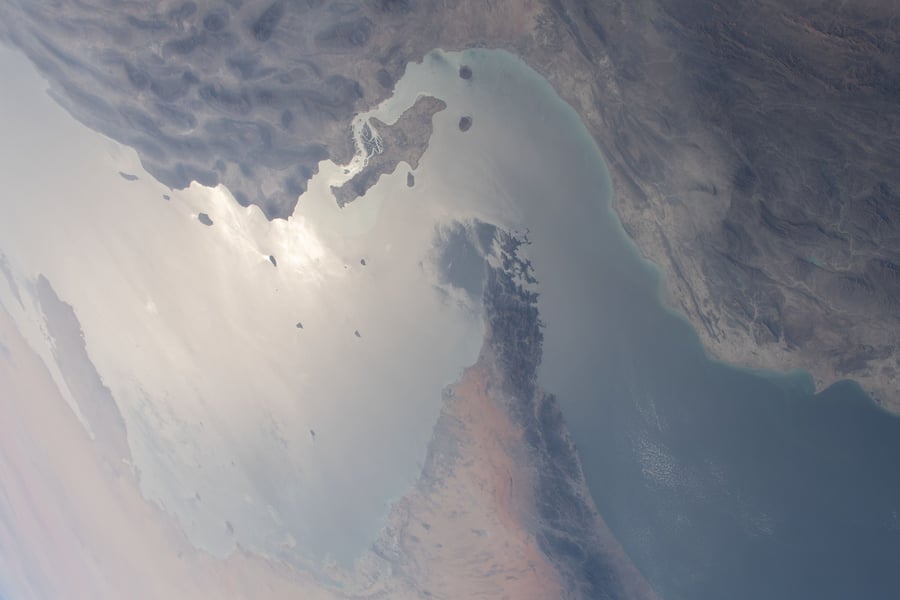
What is at stake is larger than five ships. Before the war, roughly a third of global urea shipments and nearly half of seaborne sulphur passed through the strait, Al Jazeera reported. Moreira da Silva put the strait’s share of all fertiliser trade at about a third in April. The wider shipping picture is no better: the IMF, which co-hosted the Bangkok meetings, has pencilled in a Hormuz reopening only in March 2027, as TEH reported.
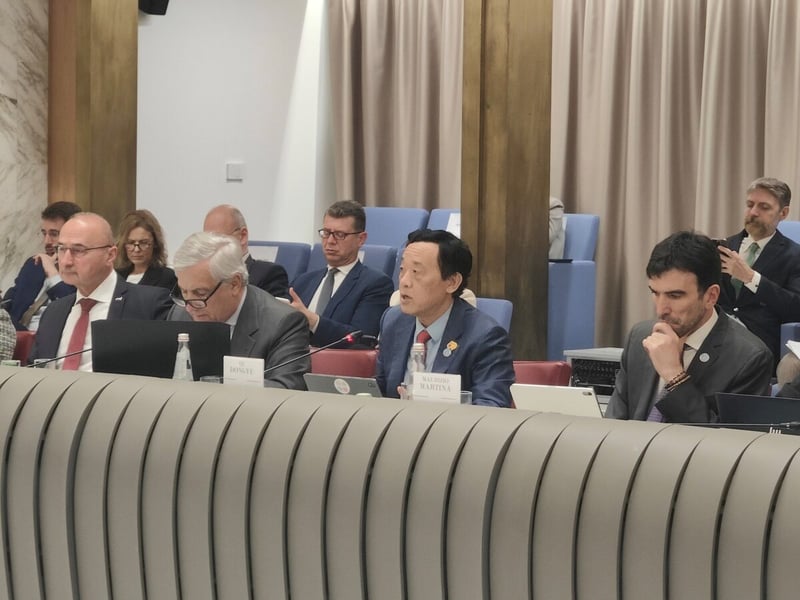
The cost of waiting arrives with the crop calendar. FAO Director-General Qu Dongyu told ministers in Rome in May that the shortage “will lead to lower yields and tightening food supplies in the latter half of 2026 and into 2027.” Agriculture, he said, “operates within a crop calendar that cannot be postponed.” In South Asia, where most farmers rely on imported fertiliser, Al Jazeera said they are already struggling with soaring costs and scarcity. India’s listed fertiliser makers reported steady first-quarter earnings in August as kharif demand held, a picture of India’s fertiliser sector that says little about what is on farmers’ shelves.
The diplomacy is where the plan sits. Efforts to reopen the strait have stalled over Tehran’s conditions and Washington’s insistence on addressing Iran’s nuclear programme from the outset, Al Jazeera reported, and exchanges of proposals through intermediaries have continued since a June interim ceasefire collapsed. The mechanism is built to sidestep that argument. It is time-bound and limited to fertilisers and related raw materials, Moreira da Silva told UN News in April, and it does not challenge freedom of navigation, which he called “an indisputable principle.” Iran’s foreign minister, Abbas Araghchi, had rejected force as the fix for Hormuz at the UN in September, as TEH reported.
The human arithmetic was set out in April. Citing the World Food Programme, he said the disruption could push 45 million more people into hunger, and named Sudan, Somalia, Mozambique, Kenya and Sri Lanka among the countries most dependent on fertiliser from the region. “The planting season has already started,” he said then. Wednesday’s warning was about the next one.
Two things the record does not settle. The UN’s founding note on the mechanism, issued on March 27, names no host country, so the Omani role comes from Al Jazeera’s account, and nothing read for this report says whether Muscat has agreed. And the timeline has slipped in the telling: seven days in April, seven to 10 now.
What no document says is whether either side has answered, or how many of those five ships a day would sail the morning after a yes.